The Relationship between Vehicle Models and Fashion: How Car Styles Inspire Clothing Trends
The Intersection of Automotive Design and Fashion Trends
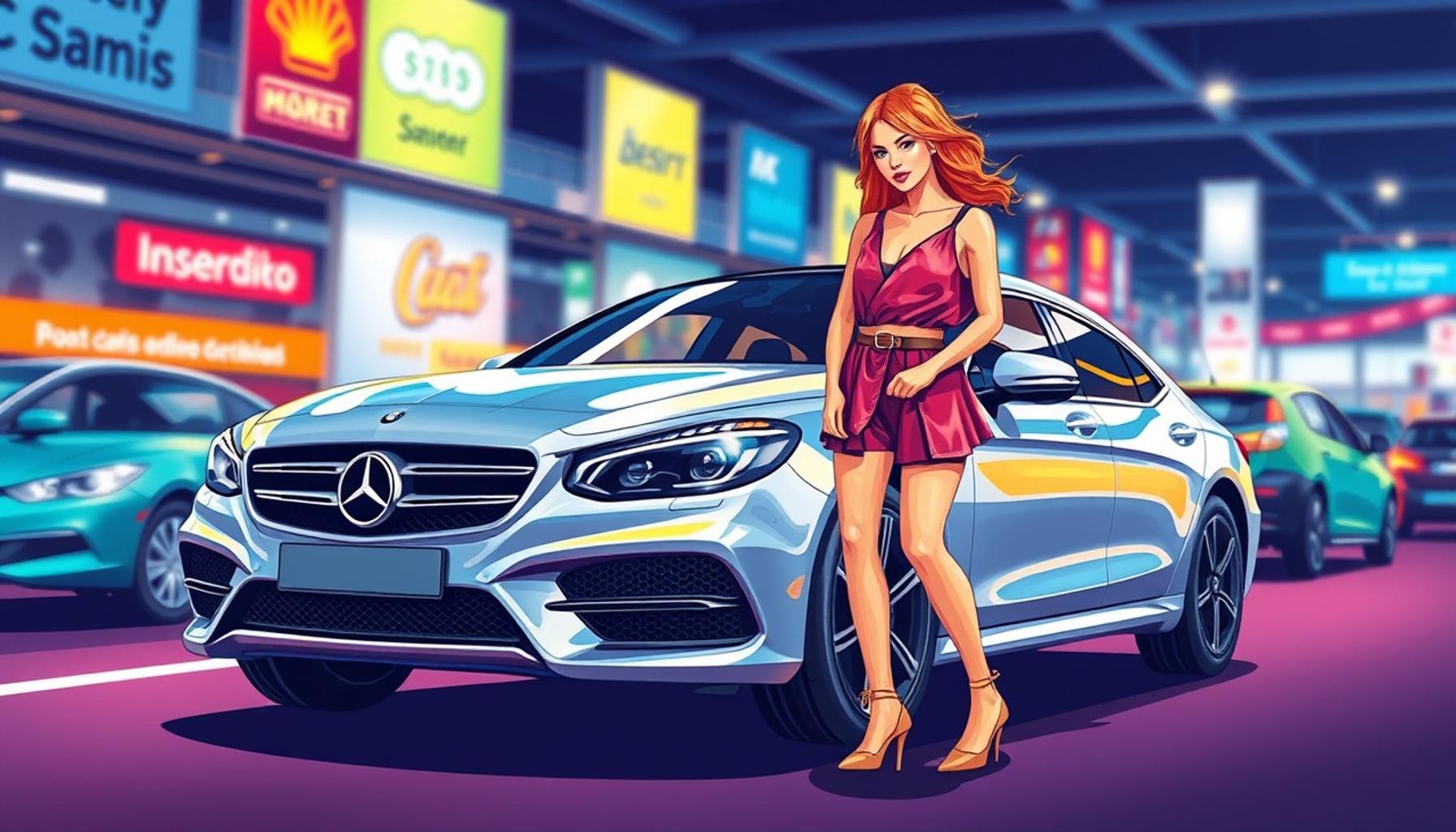
Throughout the years, the worlds of automotive design and fashion have shared a symbiotic relationship that reflects cultural influences and trends. The aesthetics of vehicles have continually shaped trends in clothing, wherein styles, colors, textures, and even themes flow between the two industries. Analyzing how these elements interplay can offer insight into how our preferences in both cars and clothing evolve.
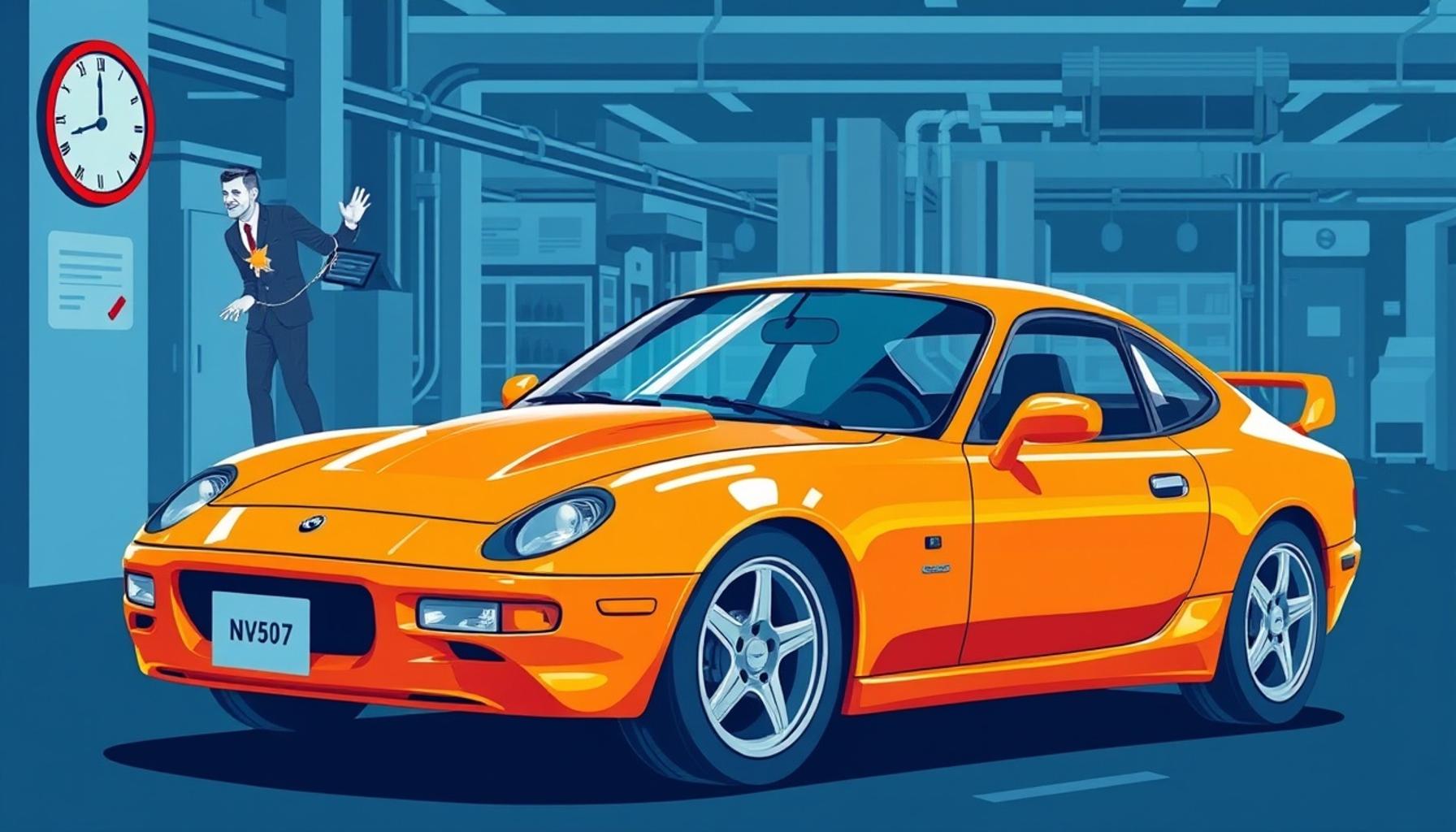
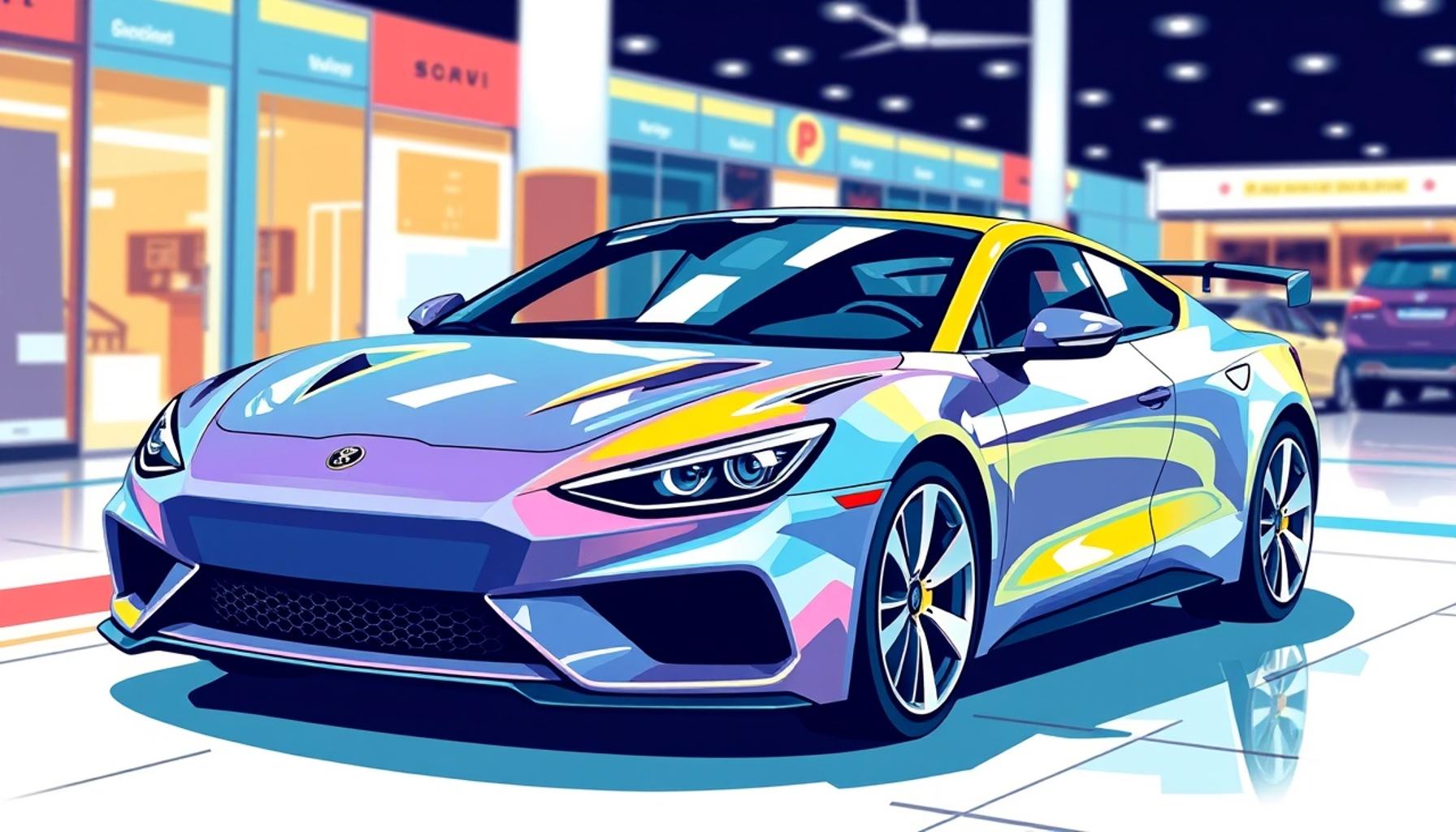
Color Palettes serve as one of the most significant ways that car design impacts fashion. For instance, a bold, metallic blue paint from a high-end sports car can inspire designers at fashion shows to introduce similar shades in their collections. Car manufacturers frequently unveil new colors each season, such as the vibrant oranges and greens seen in limited-edition vehicles, which in turn influence the seasonal palettes favored by fashion designers. A notable example is the introduction of “Nissan Orange” translating into a trend of vibrant, eye-catching colors in summer collections by various designers, demonstrating how closely these industries mirror each other’s creativity.
In addition to color, silhouettes play a crucial role in garment design. The streamlined, aerodynamic shapes of vehicles often inspire the cut and fit of clothing. The contours of a classic Cadillac might inspire a fashion designer to create flowing gowns or fitted jackets that reflect the unique lines of the automobile. Tailoring in clothing can mirror the precision found in car design, such as the symmetrical shapes and structural support seen in luxury car interiors. This parallel is evident in collections that utilize clean, sharp cuts reminiscent of the clean lines of a coupe.
Textures further illustrate this connection. The lavish leathers and luxurious fabrics used in car interiors heavily influence the textiles chosen for high-end fashion apparel. For instance, the use of plush suede or leather in vehicle seats can drive trends towards these materials in clothing, such as jackets and bags. Brands that prioritize comfort often adopt these automotive-inspired textiles, blending functionality with luxe aesthetics. A popular example is the incorporation of quilted patterns in jackets that echo the stitching of classic car interiors.
Furthermore, exclusive collaborations between automotive brands and fashion houses have brought about unique collections that celebrate this fusion of style. For example, the exciting partnership between Ford and Gucci highlights not only the aesthetics of the vehicles but also the fashion elements they inspire. Such collaborations draw in fans from both fields, ultimately creating a lifestyle that blends the excitement of driving with the flair of personal expression through fashion.
As we further explore this connection, it is essential to recognize how iconic vehicle models—like the Ford Mustang or the Mini Cooper—have laid the groundwork for evolving clothing trends, making them timeless symbols in both automotive and fashion spaces. A deep dive into these influences reveals a fascinating dialogue between two worlds, which continues to inspire the next generation of designers and car enthusiasts alike.
DISCOVER MORE: Click here for essential tips on vehicle financing
Iconic Vehicle Models as Fashion Icons
The relationship between vehicle models and fashion goes beyond mere aesthetics; it often shapes cultural landscapes and consumer behavior. Iconic cars such as the Ford Mustang, Volkswagen Beetle, and Mini Cooper serve as examples of how automobile design can influence clothing trends. These vehicles have transcended their primary functions and entered the realm of cultural symbols, which fashion designers often draw inspiration from.
Take, for instance, the classic Ford Mustang. Launched in the 1960s, this muscle car quickly became synonymous with freedom and rebellion. Its sleek lines and bold colors have inspired a myriad of fashion trends, particularly in casual wear. The spirit of the Mustang is often reflected in edgy styles—think leather jackets, graphic tees, and denim that echo the ruggedness of this American classic. Fashion collections showcasing such styles often tap into the qualities of speed and performance associated with the Mustang, creating a lifestyle that resonates with the car’s fan base.
The Volkswagen Beetle, on the other hand, offers a different aesthetic inspiration. This iconic compact car is known for its whimsical design, which has influenced playful and vintage-inspired clothing lines. Designers seeking to capture this essence might introduce collections featuring rounded silhouettes, vibrant prints, and retro color palettes reminiscent of the Beetle’s cheerful exterior. The fun and approachable nature of the Beetle translates into a sense of nostalgia within fashion, making it a beloved muse for those leaning towards a playful and lighthearted style.
Similarly, the Mini Cooper symbolizes urban chic and individuality. Known for its compact size and distinct design, the Mini has become emblematic of style-conscious young professionals seeking to express their personality through their clothing. The vibrant colors and quirky designs of the Mini Cooper create an inspiration for fashion lines that celebrate self-expression and personalization. Clothing that incorporates bold patterns, asymmetrical cuts, and eclectic accessories can often be traced back to the playful and vibrant essence of this iconic car.
The influence of these vehicles is evident in fashion, but there are specific elements of design that play a role in this interplay:
- Brand Identity: Car manufacturers like Ferrari or Tesla cultivate unique identities that fashion designers leverage to create collections that resonate with their target audience.
- Seasonal Themes: Just as automotive companies release new models, fashion houses launch seasonal collections. The excitement surrounding new car designs often translates into heightened interest in upcoming fashion trends.
- Cultural Moments: Key moments in automotive history, such as the rise of electric cars, inspire sustainability-focused fashion lines that reflect changing consumer values.
Understanding the parallels between vehicle design and fashion not only sheds light on individual styles but also highlights broader societal trends that influence consumer choices across both industries. As we deepen our exploration into this fascinating relationship, it becomes indispensable to understand how these vehicles have shaped not just fashion trends but cultural identities as well.
DISCOVER MORE: Click here to dive deeper
How Car Aesthetics Shape Fashion Trends
The influence of vehicle models on fashion extends into various aspects, particularly color palettes, textures, and overall design philosophies. Designers often pull from the innovative materials and color choices found in the automotive industry, embedding these elements into their clothing collections. This connection not only showcases the creativity within both fields but also demonstrates how consumer preferences are shaped by the visual languages of these two industries.
One exceptional example is the Tesla Model S, a car that embodies modernity and minimalism. Its sleek design and clean lines have inspired fashion trends toward streamlined silhouettes and monochromatic color schemes. Designers are increasingly incorporating high-tech fabrics, similar to those used in automotive interiors, such as breathable and lightweight materials, into contemporary clothing. This movement can be seen in athleisure wear, which mirrors the technology-driven ethos of Tesla, appealing to a demographic keen on innovation and sustainability.
Furthermore, the rise of electric vehicles has powerfully influenced the sustainability movement in fashion. As more consumers become aware of their environmental impact, designers are seeking inspiration from eco-friendly vehicles like the BMW i3. The i3’s bold and unconventional design resonates with designers who aim to adopt a similar approach in their collections. Bright, eye-catching hues coupled with recycled materials have become staples in eco-conscious fashion. This trend underscores a growing desire among consumers for clothing that not only looks good but also embodies values aligned with a sustainable future.
Car Culture and Influencing Trends
Car culture also plays a key role in how fashion trends evolve. Events such as auto shows and classic car rallies often serve as platforms for showcasing vibrant styles and unique designs, which inevitably influence fashion trends. For example, the annual Pebble Beach Concours d’Elegance draws automotive enthusiasts who often showcase vintage styles from the era of the cars displayed. Fashion designers may find inspiration in the elegant attire reminiscent of the 1920s and 1930s, resulting in collections characterized by luxurious fabrics, intricate embellishments, and timeless aesthetics.
Additionally, the automotive industry’s advertising strategies often set the tone for fashion marketing. Car commercials, laden with visual narratives, influence the way audiences perceive style and lifestyle, encouraging fashion brands to adopt similar storytelling techniques. By aligning their seasonal collections with the lifestyle portrayed in car ads—whether it be adventure, luxury, or innovation—fashion brands can effectively reach similar target markets.
A particular segment where this relationship flourishes is in motorcycle culture. Brands like Harley-Davidson are not just vehicle producers; they represent a lifestyle that resonates with freedom and rebellion. As a result, we often see clothing lines revolve around tough, durable materials, such as leather, alongside accessories like bandanas and metal embellishments. The allure of the motorcycle lifestyle influences many brands creating products that celebrate ruggedness, contributing to the athletic wear and ‘biker chic’ trends.
Ultimately, the aesthetic appeal of vehicle models cultivates a dynamic interplay with the fashion industry, wherein both fields continuously borrow and adapt from each other. The connection between car design and fashion reflects cultural values and inspires creativity, ensuring this relationship flourishes in unexpected and exciting ways.
DIVE DEEPER: Click here to learn about investment opportunities in autonomous vehicles
Conclusion
In examining the intricate relationship between vehicle models and fashion, it becomes clear that car aesthetics significantly influence clothing trends in various dimensions. From the color palettes and materials adopted to the profound impact of car culture, the two industries creatively intersect, reinforcing and redefining one another continuously. The sleekness of modern vehicles like the Tesla Model S drives designers toward minimalism and sustainability, integrating cutting-edge fabrics into innovative clothing lines that resonate with environmentally conscious consumers.
This collaboration extends beyond mere aesthetics; it touches upon cultural narratives and lifestyle aspirations, as seen in events like auto shows. Designers often draw inspiration from the rich history and style portrayed among classic and contemporary cars, creating collections that not only represent fashion but also tell a story. Similarly, the allure of motorcycle culture influences trends, proving that the appeal of vehicles transcends their primary function and permeates the world of fashion.
Ultimately, the interplay between car design and fashion emphasizes the importance of consumer values and trends. As style evolves, the bond between these two fields will likely continue to flourish, presenting exciting opportunities for both industries. A greater understanding of this connection may inspire future designers to explore this dynamic further, leading to innovative fashion that continues to reflect the spirit of the times—both in and out of the driver’s seat.

Linda Carter
Linda Carter is a writer and fashion content specialist who focuses on Shein, online shopping trends, and style discoveries. With extensive experience helping readers explore affordable fashion, understand shopping tips, and make smarter purchase decisions, Linda shares her insights on our platform. Her goal is to empower readers with practical advice and useful strategies to navigate Shein’s offers, discover new trends, and enjoy a more confident and informed shopping experience.