Automotive Fashion Trends: The Connection Between Personal Style and Car Design
Understanding the Intersection of Automotive Design and Fashion
Cars are more than just modes of transportation; they represent milestones in automotive engineering, personal identity, and lifestyle choices. The connections between automotive design and fashion trends illuminate how our vehicles reflect our tastes, values, and social environments. By exploring this relationship, we can gain a deeper appreciation of both our vehicles and our wardrobes.
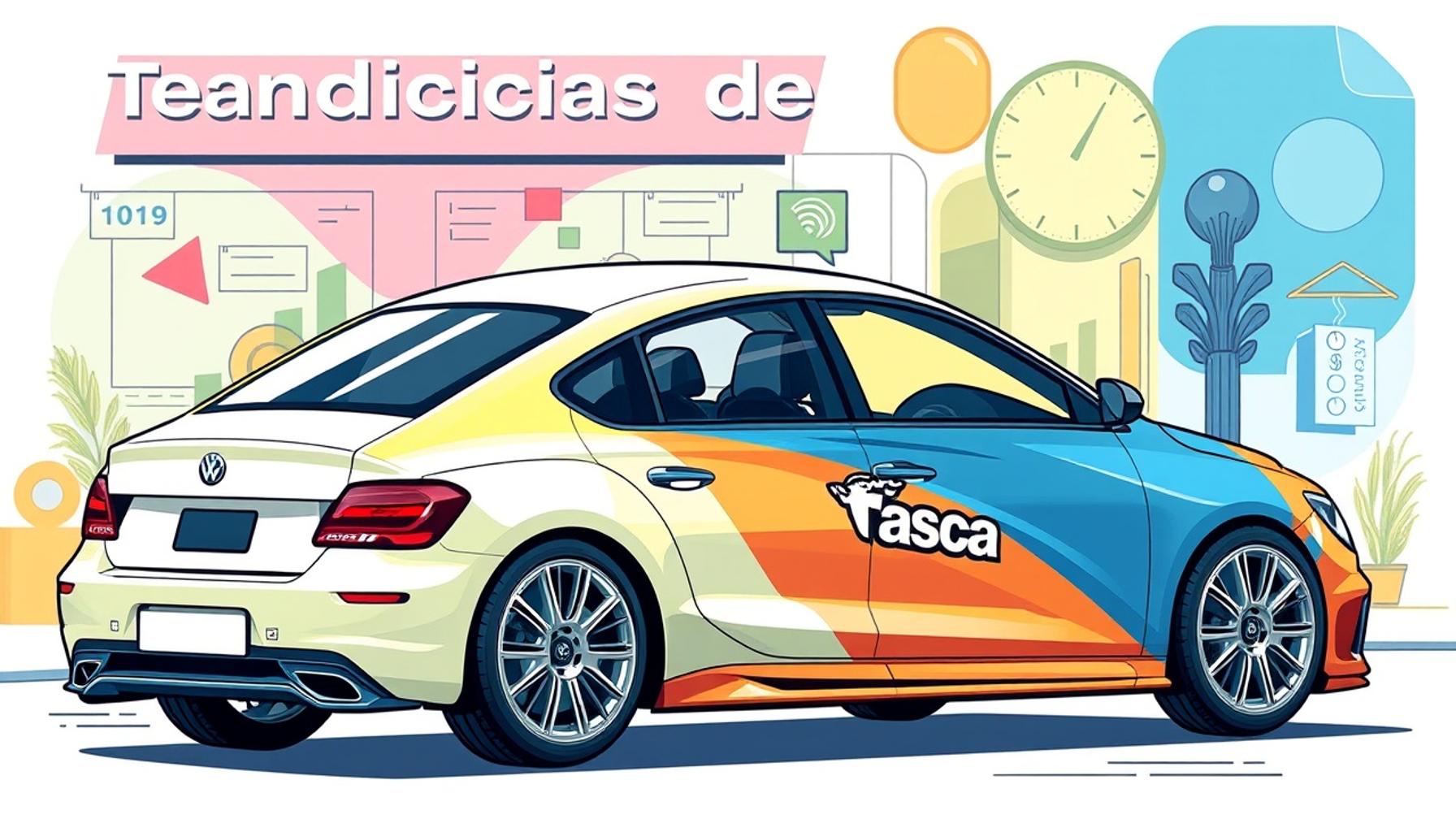
One prominent area where the automotive and fashion worlds intersect is in color schemes. Color is a vital component of both industries, as it strongly influences buyers’ preferences. Each year, auto manufacturers analyze fashion runways, Pantone color forecasts, and lifestyle trends to determine which hues will resonate in the upcoming model year. For instance, the sleek lines of a deep navy blue sedan may evoke feelings of sophistication akin to elegant evening wear, while vibrant shades of red or lime green mirror the energy of summer clothing collections. These seasonal trends reflect not only aesthetic preferences but also cultural movements, demonstrating how trends in fashion can percolate into the automotive market.
In terms of materials, the automotive and fashion industries increasingly borrow from each other. Luxury vehicles often feature high-end materials such as premium leather, suede, and eco-friendly textiles, paralleling trends in designer apparel that emphasize comfort and elegance. For example, a car’s interior might include Alcantara accents similar to what is found in high-fashion accessories, providing an upscale feel that complements the vehicle’s performance.
Shapes and silhouettes play a crucial role in design aesthetics for both cars and clothing. The curves and sharp lines of a vehicle can evoke the contours of fashionable outfits, creating a visual harmony that attracts buyers. A flowing coupe can remind one of a chic evening gown, while a rugged SUV with a boxy structure can draw parallels to a utilitarian yet fashionable work outfit. This interplay of forms and function enriches our experience of both automobiles and fashion.
Moreover, collaborations between automotive brands and fashion designers highlight the blend of utility and style. For example, the partnership between Fiat and Gucci produced special edition cars that showcase Gianfranco Ferré’s fashion sensibilities integrated into car design, appealing to both auto enthusiasts and fashion aficionados. Events such as luxury auto shows now bring together runway presentations and car unveilings, creating a unique atmosphere where speed meets style.
In this exploration of automotive fashion trends, it becomes apparent that our cars can serve as symbols of individuality and lifestyle choices. As we’ve seen through trends in colors, materials, shapes, and collaborations, automotive fashion shapes not just how we perceive our vehicles but also how we express ourselves on the road. Whether it’s driving a sleek coupe that mirrors the latest runway trends or choosing a vibrant SUV that stands out on the streets, the connection between our automotive choices and fashion statements is stronger than ever.
LEARN MORE: Click here for valuable insights
The Influence of Fashion on Automotive Color Trends
When it comes to automotive design, one of the most visible connections to fashion lies in the realm of color trends. Just as the fashion industry sets the stage for intriguing hues in clothing collections, the automotive sector borrows inspiration from these seasonal palettes. Car manufacturers are acutely aware of the psychological impact of color on consumer behavior; therefore, they meticulously analyze runway styles, fashion magazines, and even social media trends to determine the colors that will capture the market’s attention in the following year.
For instance, a striking trendy color for the year might emerge from a popular fashion line, influencing automotive designers to create vehicles in similar shades. Here are some examples of how color trends correlate between the two industries:
- Pastels: Soft shades like mint green or baby blue can be seen both on spring runways and as popular choices for compact vehicles and hatchbacks, appealing to younger buyers.
- Metallics: In fashion, metallic fabrics have gained popularity, parallel to the rising trend of metallic paint finishes in cars, creating a modern and edgy look.
- Earth Tones: As sustainability becomes a larger focus in both fashion and automotive design, colors like terracotta and olive green have appeared heavily in the palettes of both industries.
The relationship between automotive and fashion colors not only reflects aesthetic preferences but also addresses cultural shifts and consumer mindsets. For example, during times of economic uncertainty, muted tones like greys or browns tend to dominate, echoing the overall mood of society. Conversely, vibrant colors often revive during periods of optimism, symbolizing rejuvenation and hope.
Moreover, color is just a part of the story; the impact of materials extends the connections between the two industries. Automotive interiors provide an excellent canvas for experimentation with textures and fabrics that align with high-fashion trends. In vehicles, the use of natural and sustainable materials—like recycled plastics or vegan leather—mirrors the same movements in trendy clothing lines focused on ethical production and innovation. Such choices are not only aesthetically pleasing but also appeal to a growing demographic of environmentally conscious consumers.
As we delve deeper into the connection between personal style and car design, it becomes clear that our automotive choices heavily reflect personal values and existential trends. The language of design—through color and materials—blurs the lines between what we wear and what we drive. With each model year, that dialogue continues to evolve, captivating car enthusiasts and fashion lovers alike. Understanding these connections serves to enhance our appreciation for both vehicles and the fashionable choices we make daily.
DISCOVER MORE: Click here to learn about innovative test drive strategies
The Role of Design Aesthetics in Influencing Automotive Choices
While color and materials play significant roles in the intersection of fashion and automotive design, design aesthetics further deepen this connection. The shape and style of a car evoke personal preferences, reflecting not just functional requirements, but also emotional responses that parallel our clothing choices. Just as a structured blazer can convey professionalism or a flowing sundress may evoke casual charm, the exterior and interior design of cars can communicate various messages about the owner’s identity.
In recent years, the rise of the SUV has been emblematic of a societal shift toward practicality and comfort, mirroring the current trends in fashion favoring versatile and functional pieces. The appeal of SUVs presents a blend of ruggedness and sophistication; they align with contemporary fashion’s inclination towards adaptive, functional attire that can transition seamlessly from urban environments to outdoor adventures. Consequently, brands known for their stylish yet sturdy SUVs, such as Jeep and Ford, have captured a market segment that values both utility and aesthetic appeal.
Furthermore, the popularity of minimalist and futuristic designs in automotive aesthetics often coincides with similar themes in fashion. Think of sleek, clean lines that prioritize simplicity and efficiency—a design philosophy seen in the work of brands like Tesla. With its uncluttered spacious interiors and tech-savvy interfaces, Tesla has disregarded conventional automotive design, fostering a new luxurious norm that resonates with modern minimalism prevalent in high-fashion. Consumers drawn to this aesthetic tend to align their personal fashion choices in the same vein, gravitating toward brands that celebrate simple yet innovative designs.
Car manufacturers also understand the importance of recognizing cultural influences on styles. The influence of pop culture and celebrity trends often inform automotive designs as well. Vehicles endorsed or preferred by famous personalities can see a surge in popularity, essentially “fashioning” them as cultural artifacts. For instance, the rise of vintage cars like the Volkswagen Beetle or Ford Mustang can be attributed to their appearances in films and media, harking back to nostalgic eras that resonate with specific fashion movements. This connection plays on the emotions tied to era-specific styles, creating a nostalgic longing for designs and styles from those genres.
Moreover, automotive designers often attend fashion weeks or collaborate with fashion designers to ensure that their models resonate with current trends. They tap into the fabric of modern culture by seeking insights from fashion shows, which often highlight not only design principles but also overarching societal themes that guide consumer preferences. For example, collaborations between car brands and high-end fashion labels have birthed limited-edition vehicles that appeal to both auto enthusiasts and style aficionados, exemplifying how intertwined these industries can be.
In essence, the aesthetic choices in automobiles reflect personal and cultural identities. Car design has transcended mere function to embody a broader narrative of lifestyle and values, showcasing how our automotive choices can serve as extensions of our personal style. As the line between fashion and automotive design continues to blur, consumers become more inclined to view their vehicles not just as modes of transportation, but as essential elements of their fashion choices and personal branding.
DISCOVER MORE: Click here to learn about green finance in the fashion industry
Conclusion
In conclusion, the relationship between automotive design and personal style is a rich tapestry that illustrates how our choices in vehicles are often as expressive as our clothing. The shift towards practicality and minimalism in both sectors reinforces a growing acknowledgment that both cars and fashion serve as reflections of individual identities and lifestyle values. As consumer preferences evolve, the automotive industry is increasingly mirroring fashion trends, resulting in vehicles that are not just machines, but significant expressions of personal taste.
Furthermore, the collaboration between fashion designers and automotive brands highlights that innovation is at the heart of both industries. This melding of creativity allows consumers to embrace vehicles that resonate with their fashion sensibilities, establishing a connection that goes beyond mere transportation. As vehicles become stylized symbols of cultural identity and aspiration, it is clear that the lines between these two worlds will continue to intertwine.
Ultimately, as we journey into a future where automotive technology and design aesthetic evolve, it’s worthwhile to consider how our vehicles serve as extensions of ourselves. Whether it reflects our need for functionality, our affinity for luxury, or a nod to nostalgia, our choice of vehicle plays a crucial role in shaping the narrative of who we are and what we value in the modern world.

Linda Carter
Linda Carter is a writer and fashion content specialist who focuses on Shein, online shopping trends, and style discoveries. With extensive experience helping readers explore affordable fashion, understand shopping tips, and make smarter purchase decisions, Linda shares her insights on our platform. Her goal is to empower readers with practical advice and useful strategies to navigate Shein’s offers, discover new trends, and enjoy a more confident and informed shopping experience.