The Role of Real-Time Analytics Platforms in Strategic Decision-Making
The Importance of Real-Time Analytics in Decision Making
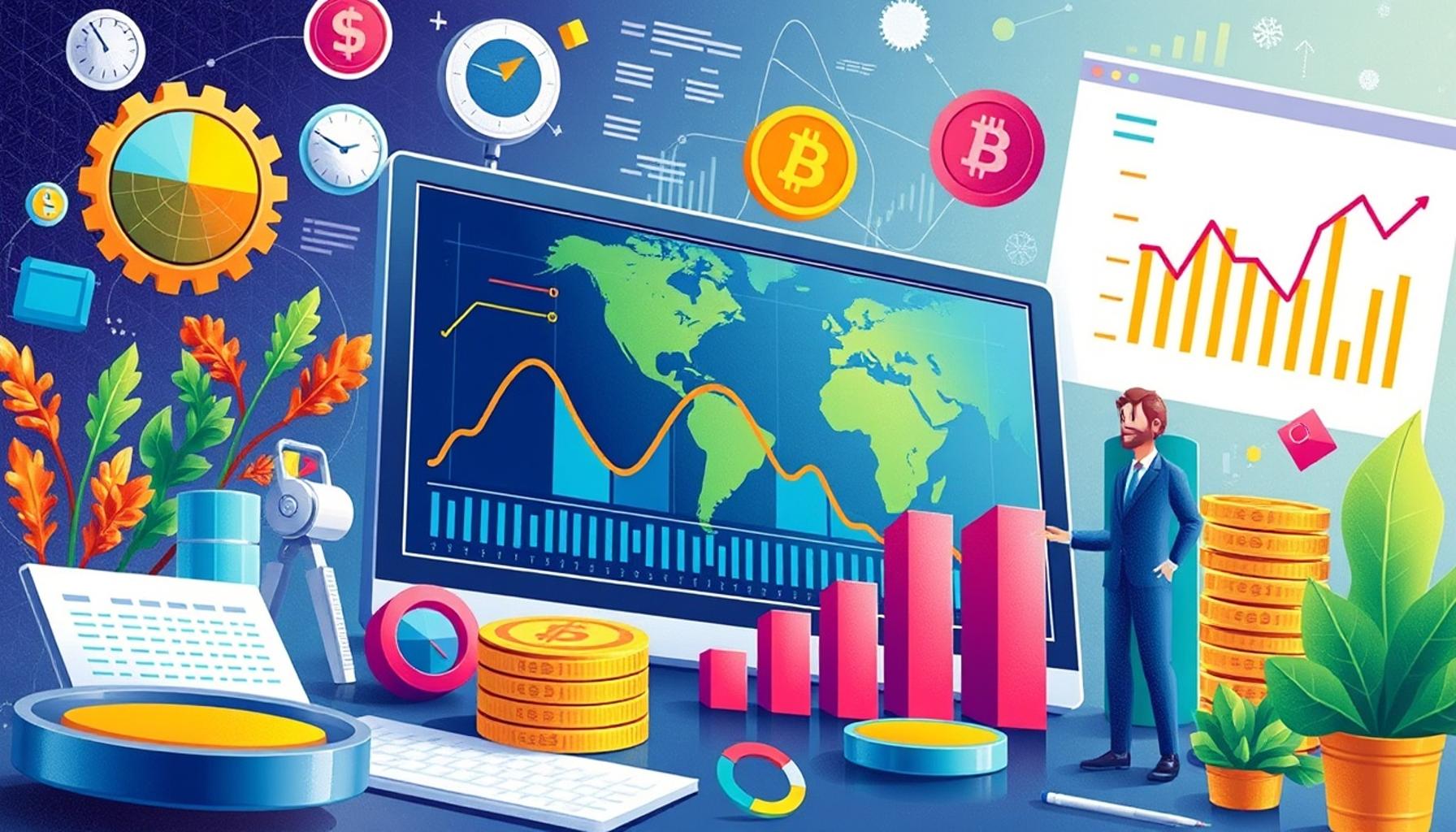
In a world where information flows at lightning speed, businesses need to be equally agile in their decision-making processes. The advent of real-time analytics platforms has transformed the landscape, offering organizations a powerful tool to navigate the complexities of the modern marketplace. These platforms enable organizations to analyze data as it happens, allowing leaders to pivot their strategies based on current market dynamics.
Key Advantages of Real-Time Analytics
Real-time analytics presents several notable benefits that can significantly influence an organization’s success:
- Immediate Data Access: One of the primary advantages is the ability to access data in real time. Imagine a marketing team launching a new campaign that can instantly monitor engagement metrics, such as click-through rates and conversion numbers. With real-time insights, decision-makers can immediately evaluate the campaign’s effectiveness and make necessary adjustments to maximize ROI.
- Enhanced Predictive Capabilities: Real-time analytics doesn’t just react to current data; it also leverages advanced algorithms and machine learning techniques to predict future trends. For example, a health care provider might use analytics to anticipate patient admission rates based on real-time data, allowing them to allocate resources efficiently during peak times, thereby improving patient care and operational efficiency.
- Increased Agility: With dynamic market conditions, the ability to adapt is invaluable. Consider a logistics company that tracks shipment routes and delivery times in real time. If road conditions change, they can quickly reroute deliveries to ensure timely arrivals, gaining an edge over competitors who may not have the same level of insight.
Practical Examples in Various Industries
Real-time analytics can be a game-changer in various sectors. In retail, for instance, companies can utilize real-time data to modify inventory levels based on current sales trends. If a clothing retailer notices through their analytics platform that a particular item is flying off the shelves, they can quickly replenish stock to meet consumer demand, which enhances customer satisfaction and sales performance.
Financial institutions are also capitalizing on real-time analytics. For example, investment firms can assess rapid market fluctuations using real-time data feeds, enabling them to make timely trades or adjust investment portfolios proactively, thus mitigating potential risks related to market downturns.
Driving Long-Term Growth and Innovation
Integrating real-time analytics into business operations not only fosters a responsive organizational culture but also paves the way for long-term growth and innovation. Organizations that consistently leverage real-time data are better positioned to identify new market opportunities and innovate in their product offerings or customer service practices.
In summary, the implementation of real-time analytics platforms equips organizations with the tools needed to make data-driven decisions swiftly. As businesses continue to adapt to an ever-evolving landscape, the insights gained from real-time analytics will undoubtedly remain a crucial component of effective strategic decision-making. The organizations that embrace these technologies will find themselves better prepared to thrive in the competitive marketplace.
Empowering Organizations with Real-Time Insights
Real-time analytics platforms serve as a critical enabler for organizations seeking to enhance their strategic decision-making. By offering instantaneous access to data, these platforms allow organizations to harness insights that would otherwise take hours, if not days, to gather. This capability to process and analyze data on-the-fly is transforming how businesses approach challenges and opportunities alike.
Streamlined Operations and Responsiveness
One of the most immediate benefits of real-time analytics is its capacity to streamline operations. Businesses can monitor their processes continuously, leading to quicker issue identification and resolution. For example, a manufacturing company could utilize real-time data to track machinery performance. If a machine begins to operate outside of its normal parameters, real-time alerts can trigger immediate maintenance interventions, preventing costly downtime and optimizing production schedules.
This notion of responsiveness also extends to customer interactions. For businesses with online platforms, like e-commerce sites, real-time analytics can provide insights into customer behavior as they navigate through the purchasing process. If analytics show a high drop-off rate at a particular point in the checkout process, organizations can quickly address potential issues—whether those are technical glitches or confusing layout designs—thus enhancing the customer experience and increasing conversion rates.
Data-Driven Marketing Strategies
In the realm of marketing, harnessing real-time analytics has revolutionized how organizations engage with consumers. Marketers can leverage data to tailor campaigns based on current trends and audience preferences. For instance, during a major sporting event, a beverage company might analyze social media mentions and engagement rates associated with their products. By doing this, they can adjust their advertising strategies in real time, emphasizing certain promotions that resonate with what consumers are talking about in the moment.
This approach allows businesses to engage with audiences more effectively and assertively, optimizing their marketing spend by targeting what is genuinely relevant to potential customers at any given time. The ability to analyze data live ensures that marketing strategies remain dynamic rather than static—like a ship with a captain who adjusts the sails based on changing winds.
Driving Competitive Advantage through Real-Time Analysis
Organizations that successfully integrate real-time analytics into their strategic frameworks often find themselves at an advantage over their competitors. By making data-driven decisions faster, they can capitalize on emerging trends and adjust their offerings accordingly. For example, a food delivery service can monitor real-time data on customer orders and adjust their menu items or promotional offers based on what is most popular during a particular season or event.
Ultimately, real-time analytics empowers organizations not just to respond but to proactively steer their strategic directions. As traditional decision-making processes become increasingly obsolete, having the capacity to analyze data as it comes can lead to opportunities that would have been missed without the advantage of up-to-the-minute insights.
Transforming Customer Experience and Relationship Management
As organizations strive to build stronger relationships with their customers, real-time analytics platforms play a pivotal role in enhancing customer experience. The ability to access customer data in real-time allows organizations to personalize interactions, leading to improved satisfaction and loyalty.
Personalization at Scale
Today’s consumers expect tailored experiences that resonate with their individual preferences. With real-time analytics, companies can track and analyze customer behavior as it happens, offering personalized recommendations and interactions. For instance, streaming services like Netflix utilize real-time analytics to suggest content based on viewing habits and trends. When a viewer finishes watching a show, they immediately receive recommendations for similar programs, thereby creating a seamless viewing experience that keeps them engaged.
This level of personalization extends to various industries. In retail, for example, businesses can analyze shopping cart behavior in real-time to send personalized promotions or suggestions to customers as they browse. If a shopper hesitates before making a purchase, a timely discount sent via a push notification might just nudge them toward completing the transaction.
Proactive Customer Support
Incorporating real-time analytics into customer support not only enhances response times but also improves the overall quality of support provided. By monitoring customer interactions across various channels—whether through chatbots, social media, or email—organizations can identify patterns related to customer inquiries and issues. This enables support teams to address common concerns proactively, often before the customer has to reach out for help.
For instance, if data indicates a surge in reported issues regarding a specific product, companies can act quickly to inform their customers about potential problems or provide troubleshooting tips. This proactive approach not only improves customer satisfaction but also builds trust and strengthens brand loyalty.
Making Informed Product Development Decisions
Real-time analytics also encourages organizations to refine their product development cycles. By monitoring feedback and usage data, companies can gain immediate insights into how products are performing in the market. This information allows them to identify strengths to build upon and weaknesses that may require immediate attention.
Take, for example, a tech company that has recently launched a new app. By analyzing user engagement in real-time, they can see which features are most used and which ones are causing frustration. If they notice that users frequently drop off at a particular functionality, adjustments can be made on the fly—whether it’s simplifying processes, adding tutorials, or addressing bugs. This agility in product development is essential for staying competitive and meeting customer expectations.
Strategic Resource Allocation
Real-time analytics influences how organizations allocate resources effectively. In sectors like logistics and supply chain management, being able to monitor inventory levels, shipment statuses, and demand patterns in real-time enables businesses to optimize their operations. For example, if a retail chain sees a spike in demand for a specific item, they can quickly adjust their inventory and distribution strategies to ensure that supply meets demand without overstocking.
Moreover, this analytical capability helps in balancing workforce allocation based on real-time customer traffic patterns. In the hospitality industry, for instance, hotels can analyze booking trends and adjust staffing levels accordingly, ensuring that customer service remains top-notch during peak times while avoiding excess costs during quieter periods.
Conclusion
In an increasingly fast-paced and data-driven world, real-time analytics platforms have become essential tools in strategic decision-making. They empower organizations to respond swiftly to market changes, enhancing their ability to understand customer behavior and improve overall operational efficiency. By leveraging real-time data, businesses can not only deliver personalized experiences that enhance customer satisfaction but also engage in proactive support and efficient resource management.
Furthermore, real-time analytics contribute significantly to agile product development«. Organizations can swiftly identify areas for improvement based on real-time feedback, thereby enabling them to stay competitive in the marketplace. This adaptability is crucial for maintaining relevance amidst ever-evolving consumer expectations.
Moreover, the ability to allocate resources strategically based on real-time insights ensures that businesses can optimize operations and minimize costs without sacrificing service quality. For instance, restaurants adjusting staffing based on customer volumes or retailers managing inventory based on purchasing trends demonstrate the tangible benefits of integrating real-time analytics into their strategies.
Ultimately, the integration of real-time analytics in strategic decision-making offers a transformative advantage, allowing organizations to anticipate customer needs, respond to market dynamics, and enhance their overall operational framework. As companies continue to embrace this data-centric approach, they will likely uncover further opportunities for innovation and growth, ultimately leading to a stronger competitive edge in their respective industries.

Beatriz
Beatriz Johnson is a seasoned financial analyst and writer with a passion for simplifying the complexities of economics and finance. With over a decade of experience in the industry, she specializes in topics like personal finance, investment strategies, and global economic trends. Through her work on our website, Beatriz empowers readers to make informed financial decisions and stay ahead in the ever-changing economic landscape.