Fashion and Mobility: The Influence of Style Trends on the Electric Car Market
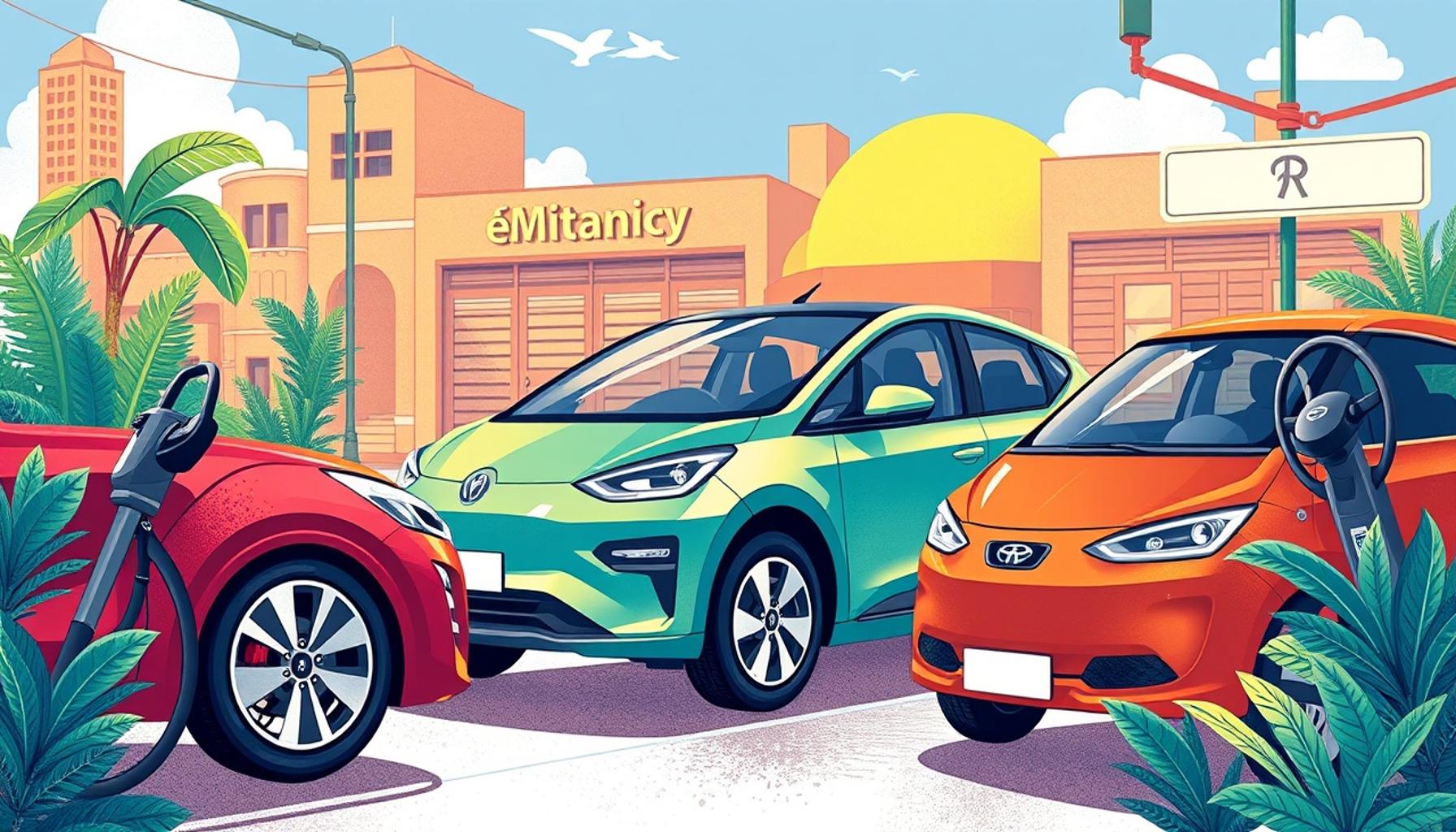
Understanding the Intersection of Style and Electric Vehicles
In the fast-evolving landscape of transportation, the significance of design aesthetics in electric vehicles (EVs) cannot be overstated. As consumers increasingly seek vehicles that not only perform well but also reflect their personal style, automotive manufacturers are responding by focusing on design elements that appeal to the fashion-savvy buyer. Sleek lines, vibrant colors, and distinct shapes are now commonplace in the EV market. For instance, the Tesla Model S features a minimalist design with a smooth, aerodynamic profile that captures attention while enhancing performance. This focus on aesthetics parallels trends in the fashion industry, where visual appeal is paramount.
Another key player in the fusion of fashion and automotive design is the impact of brand collaborations. Automotive companies are partnering with renowned fashion designers and lifestyle brands to create unique vehicle designs and exclusive merchandise. An example can be seen in the partnership between BMW and the fashion brand KITH, which resulted in the limited edition “KITH x BMW M4.” Such collaborations not only enhance brand image but also create buzz, making the vehicle a coveted item among those who appreciate both fashion and innovation. Through these collaborations, EVs are positioned not just as cars but as status symbols that embody a fashionable lifestyle.
The role of social influence in marketing electric vehicles further emphasizes their connection to modern consumerism. Celebrities and influencers often leverage their platforms to showcase EVs, thereby driving consumer interest and desirability. For example, when high-profile figures such as Leonardo DiCaprio or Oprah Winfrey promote sustainable driving through their choice of electric vehicles, they not only influence public perception but also inspire others to consider their next vehicle as a lifestyle statement. This phenomenon highlights how social media has transformed traditional advertising, making peer influence a powerful marketing tool in the automotive sector.
Ultimately, the modern car buyer is motivated by more than just practicality; they are looking for a lifestyle statement that aligns with their values. As sustainability becomes increasingly important, choosing an electric vehicle is part of a broader cultural shift towards environmental consciousness and personal expression. This evolution signals that electric cars are no longer mere transportation solutions; they are integral to the lifestyle choices of today’s consumers.
This article will further explore how aesthetic appeal and innovative design shape the future of the electric vehicle market, revealing a new paradigm where style and sustainability go hand in hand. By delving into these trends, we can appreciate the profound impact of fashion on the automotive industry and understand the implications for future car buyers.
DISCOVER MORE: Click here to dive into investment opportunities in autonomous vehicles
The Role of Aesthetic Appeal in Electric Vehicle Design
The aesthetic appeal of electric vehicles is a driving force behind their growing popularity among consumers. Many buyers prioritize not just the efficiency and eco-friendliness of their cars, but also how these vehicles align with their personal style and lifestyle choices. To cater to this demand, manufacturers are employing cutting-edge design techniques that blend functionality with striking visuals. The emphasis on design aesthetics has, therefore, made EVs not only a practical choice but also an extension of the owner’s identity.
One primary area where we see this emphasis on aesthetics is in the exterior design. Manufacturers are experimenting with innovative shapes and striking color palettes that can capture the essence of contemporary fashion. For example, brands like Audi and Porsche are known for their sleek, sporty silhouettes that resonate with luxury automobile enthusiasts, while more forward-thinking companies like Rivian and Lucid Motors are introducing bold colors and unique designs that set them apart in the market. This shift reflects a broader trend where consumers believe their vehicle’s appearance should convey their values and preferences, much like their clothing choices.
Furthermore, the interiors of electric vehicles are also undergoing significant transformations. Comfort, technology integration, and materials selection play crucial roles in design. A typical modern EV now boasts high-quality finishes, plush fabrics, and even elements crafted from recycled materials that cater to the environmentally-conscious consumer. This trend towards premium interiors aligns closely with shifts in fashion where sustainability and luxury coexist. For example:
- Recycled Materials: Some manufacturers are increasingly using sustainable fabrics and materials in the interiors of their vehicles, echoing trends in the fashion industry.
- Customization Options: Brands are offering more customizable features, allowing buyers to select colors and materials that reflect their tastes, similar to personalized fashion choices.
- Technological Integration: The incorporation of smart technology and seamless user interfaces within the vehicle enhances both the driving experience and the overall aesthetic appeal, akin to wearable technology gaining traction in fashion.
Moreover, the rise of electric vehicles is prompting automotive companies to reinvent their brand identity. They are leveraging design to connect with younger consumers who prioritize both sustainability and style. As a result, many brands are moving away from traditional, conservative designs towards more dynamic, futuristic models that speak to the desires of today’s market. This evolution mirrors the rapid changes in style trends witnessed in the fashion world, where adaptability and innovation are key to staying relevant.
In conclusion, the electric vehicle market is increasingly reflecting fashion trends through innovative designs and aesthetic appeals that resonate with consumers. By aligning vehicle aesthetics with consumer preferences, manufacturers can enhance brand loyalty and attract a broader audience. As we continue to explore the interconnectedness of fashion and mobility, we will witness further advancements that redefine what it means to drive in style while being environmentally conscious.
DISCOVER MORE: Click here to delve into the future of electric cars
The Intersection of Fashion Trends and Electric Vehicle Marketing
As electric vehicles (EVs) gain traction in the automotive market, manufacturers are not only focusing on the vehicles’ designs but also on how they present these vehicles to consumers. The use of marketing strategies that draw parallels to fashion trends has become increasingly prevalent, allowing brands to resonate with a style-conscious audience. This intersection of fashion and mobility extends beyond mere aesthetics; it influences brand storytelling, advertising campaigns, and overall consumer engagement.
One significant marketing technique is **collaboration with fashion designers**. For instance, companies like BMW and Mercedes-Benz have initiated partnerships with well-known fashion brands to create limited edition models that showcase exclusive designs and color schemes. This strategy not only elevates the vehicle’s status—similar to how a high-fashion garment gains prestige when associated with a respected designer—but also creates a unique selling proposition that appeals directly to fashion enthusiasts. By leveraging a designer’s aesthetic, manufacturers can enhance the allure of their vehicles, drawing in consumers who view their cars as status symbols.
Furthermore, social media plays a pivotal role in shaping the perception of electric vehicles within fashion circles. Influencers and celebrities are increasingly endorsing EVs, showcasing how these cars align with their personal brands. For instance, when a prominent figure in the fashion industry shares their experience with an electric vehicle, it amplifies the message that sustainability can be stylish. This type of organic promotion can significantly influence consumer choices, especially among younger demographics who prioritize both eco-friendliness and trendiness. Platforms like Instagram and TikTok serve as visual stages where the aesthetics of electric vehicles are showcased alongside high-fashion items, thus binding the two worlds together.
The concept of **lifestyle branding** also plays a crucial role in the EV market. Companies are crafting narratives that position electric vehicles as integral components of a sophisticated, eco-conscious lifestyle. This idea aligns closely with current fashion trends that emphasize individuality and ethics. Brands are creating lifestyle experiences around their vehicles, marketing them as not just modes of transportation, but as reflections of personal values and social status. This is evident in campaigns that merge the idea of fashion with sustainability, promoting the message that driving an electric vehicle is a fashionable choice that comes with environmental responsibility.
Moreover, product launches and events have become essential marketing touchpoints where fashion meets mobility. High-profile unveilings often resemble fashion shows, complete with dramatic visuals and celebrity appearances. For example, Tesla has orchestrated grand events that capture media attention, showcasing not only their vehicles but their vision as a lifestyle brand. These cinematic presentations emphasize the artistry in design while providing a platform that highlights how their vehicles align with modern fashion sensibilities.
In summary, the integration of fashion trends into the marketing of electric vehicles is a testament to the evolving landscape of the automotive industry. By understanding and adopting fashion’s influence on consumer preferences, manufacturers can create compelling narratives that enhance the appeal of their EV offerings. Whether through collaborations with designers, strategic influencer partnerships, or embracing lifestyle branding, the connection between fashion and electric mobility continues to shape consumer choices in unprecedented ways.
DIVE DEEPER: Click here for more insights
Conclusion
In conclusion, the synergy between fashion and the electric vehicle (EV) market has ushered in a new era of consumer engagement and branding strategies. As we have explored, the intersection of style trends and automotive marketing not only enhances the aesthetic appeal of EVs but also strategically aligns their image with those of high-end fashion. This evolving landscape is not merely about creating visually appealing cars; it is about crafting integral lifestyle narratives that resonate with today’s conscientious consumers.
Through **collaborations with fashion designers**, impactful social media promotions, and effective lifestyle branding, manufacturers have tapped into the fashion-conscious audience, emphasizing that eco-friendly choices can also reflect personal style and social status. The influence of high-profile product launches further blurs the lines between automotive showcases and fashion events, ensuring that the message of sophistication and sustainability reaches a broader audience. This approach speaks particularly to younger generations who are driven by ethical considerations as much as aesthetic ones, revealing the potential for electric vehicles to become symbols of a modern, responsible lifestyle.
As the electric car market continues to expand, it is imperative for manufacturers to recognize and embrace these fashion-influenced trends. By doing so, they not only enhance their market share but also contribute to the greater narrative of sustainability and stylish modernity. Ultimately, the future of mobility will likely see further blending of these two dynamic industries, shaping a captivating, eco-conscious automotive culture.