How Brand Promotion in Clothing Influences the Perception of Luxury in Car Models
Understanding the Influence of Brand Promotion
In today’s competitive marketplace, brand promotion is more than just advertising; it shapes how consumers perceive a product’s value and quality. This is especially evident in the clothing industry, where high-end brands employ complex marketing strategies to enhance their image. These strategies not only elevate the perception of their clothing lines but also extend to other luxury sectors, such as the automotive industry, where high-end vehicles are marketed as symbols of status and lifestyle.
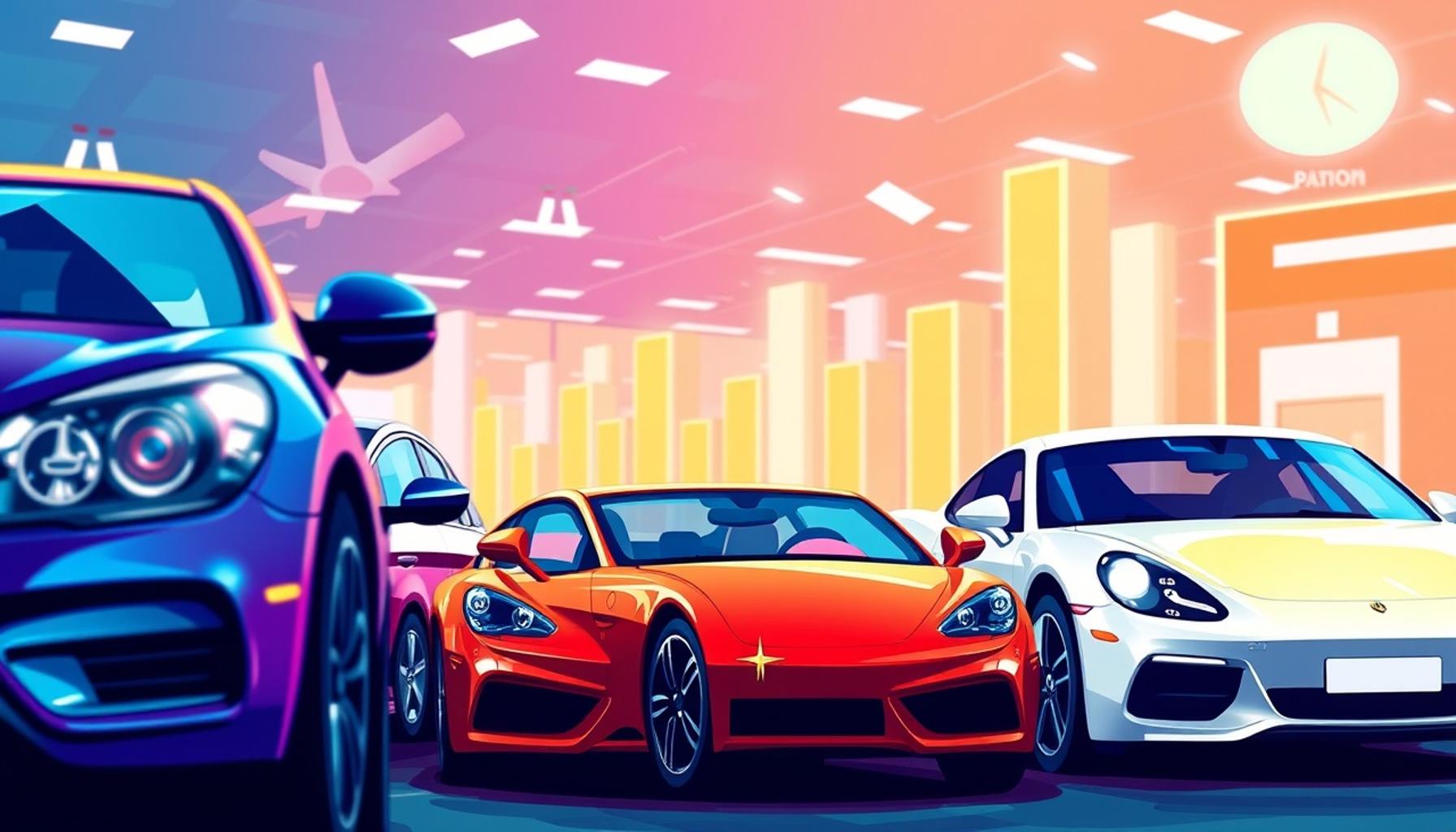
One of the most impactful ways clothing brand promotion affects the luxury car market is through brand associations. Luxury clothing brands, like Gucci or Prada, frequently collaborate with premium car manufacturers such as BMW or Mercedes-Benz. These partnerships create a crossover appeal where high fashion enhances the allure of high-performance vehicles. For example, a limited-edition car that features design elements inspired by a fashion house can attract both car enthusiasts and fashion aficionados, building customer loyalty across industries.
Another significant factor is celebrity endorsements. Celebrities often serve as walking advertisements for luxury brands. When A-list personalities like Jennifer Aniston or David Beckham are photographed wearing designer clothes while driving luxury cars, it sends a clear message to the public: owning both luxury clothing and vehicles is synonymous with affluence and success. This influence extends beyond mere visibility; it fosters aspiration among consumers who wish to emulate the lifestyles of these stars, thereby linking luxury apparel with high-status automobiles.
Event sponsorships also play a key role in intertwining the fashion and automotive sectors. Major fashion weeks, which take place in cities like New York and Paris, often coincide with high-profile auto shows. Additionally, luxury car brands frequently sponsor fashion events to cultivate an elite image. These sponsorships blur the lines between fashion and automobiles, reinforcing the notion that both are integral elements of a sophisticated lifestyle. For instance, a car unveiled at a fashion event is not just a mode of transportation; it’s positioned as a fashion statement in its own right.
Collectively, these elements illustrate how clothing brand promotion extends its influence beyond apparel, helping to shape consumer perceptions in the luxury car market. As luxury vehicles become recognized as more than just cars—viewed instead as an embodiment of a refined lifestyle—the connection between these industries becomes clearer. Understanding this symbiotic relationship is essential to grasping how modern luxury brands operate, and why they continue to push boundaries in marketing and consumer engagement.
DON’T MISS: Click here to learn more
The Role of Brand Image in Shaping Consumer Perceptions
The connection between clothing brand promotion and the perception of luxury in car models can be largely attributed to the brand image that both sectors cultivate. Brand image refers to consumers’ beliefs and attitudes toward a particular brand based on various stimuli, including advertising, celebrity endorsements, and public relations. When high-end clothing brands present themselves as purveyors of exclusive luxury, they create an image that can seamlessly transfer to luxury vehicles, enhancing consumers’ perceptions of these automobiles.
Luxury clothing brands often invest heavily in creating a distinct identity that embodies elegance, exclusivity, and desirability. This identity is meticulously crafted through elements such as:
- High-Quality Materials: Premium brands emphasize the use of luxurious fabrics and meticulous craftsmanship, contributing to their overall allure.
- Exclusivity: Limited releases and collaborations create a sense of scarcity, making their products more desirable to consumers.
- Innovative Designs: Fashion forwardness attracts attention and positions the brand as a trendsetter in both clothing and associated lifestyle products.
When photographers capture images of luxury vehicles adorned with these fashion elements, it positions the cars as extensions of the luxury brand, rather than mere transportation. For instance, when a new car model is showcased with upholstery designs inspired by a renowned fashion line, consumers begin to associate the vehicle with the same qualities of opulence and sophistication that characterize the clothing brand.
Moreover, the psychological connection that consumers develop with clothing brands significantly affects their perception of corresponding vehicle brands. A shopper who regularly wears a designer label is more likely to have a favorable perception of a luxury car brand that shares a similar ethos. This synergy creates an image where both the clothing and the car are seen as integral aspects of a consumer’s lifestyle, reinforcing the notion that luxury is about more than just the product itself—it’s about the lifestyle and values that the products represent.
To further illustrate this point, consider the following relationships between clothing brands and luxury automobiles:
- Chanel and Bugatti: A collaboration showcasing Chanel’s signature designs on Bugatti models highlights exclusivity and unique craftsmanship.
- Versace and Lamborghini: The bold aesthetics of Versace align with Lamborghini’s high-performance reputation, creating an image of audacious luxury.
- Ralph Lauren and Ford: When classic Ford models are dressed in Ralph Lauren’s iconic styling, they attract attention from diverse consumer segments who value heritage and luxury.
This interconnectedness helps to establish a fierce sense of loyalty among consumers who aspire to attain the lifestyle that luxury brands promise. By creating a layered perception of luxury that encompasses both fashion and automotive experiences, brand promotions in clothing industry profoundly influence how consumers view luxury automobiles.
DISCOVER MORE: Click here to dive deeper
Marketing Strategies and Cross-Industry Collaborations
Brand promotion strategies play a crucial role in shaping consumer perceptions of luxury. High-end clothing brands utilize various approaches that not only enhance their identity but also influence luxury automobile brands. These strategies often involve creative marketing campaigns, active social media engagement, and strategic partnerships that can impact how consumers perceive both clothing and automotive luxury.
One of the most notable strategies is the use of cross-industry collaborations. When clothing brands partner with luxury car manufacturers, they can create unique products that seamlessly merge elements of both industries. A prime example is the collaboration between Gucci and Fiat, where the two brands introduced a limited edition Fiat 500 adorned with Gucci’s signature design. This partnership did not just elevate the car’s allure but also aligned both products under a shared identity of sophistication and trendiness.
Moreover, luxury clothing brands often leverage social media platforms to create exclusive content that highlights their association with luxury automobiles. By sharing stunning visuals of models wearing their latest styles while posing next to high-end car models, brands are able to evoke a sense of aspiration among their followers. This strategy successfully positions the car as an extension of the lifestyle that the clothing brand promotes. For instance, an advertisement featuring a model in a designer gown stepping out of a sleek sports car may immediately associate that particular vehicle with the same essence of glamour and prestige.
The use of influencers and celebrity endorsements further amplifies this effect. When a celebrity endorses both a luxury brand and a high-end vehicle, it creates an authentic narrative that complexly intertwines the two. Consumers who idolize these public figures often mimic their lifestyle choices, leading them to view both the clothing and the car as symbols of status and affluence. Take for example the partnership between Rihanna and luxury car brand Maserati; Rihanna’s fanbase may perceive the Maserati not merely as a car, but as a necessary accessory that complements the luxurious lifestyle she embodies.
Furthermore, the emphasis placed on lifestyle branding is important in shaping consumer perceptions. When clothing brands articulate a narrative around a particular lifestyle—think of the jet-set lifestyle promoted by brands like Louis Vuitton—it fosters an environment where the luxury car becomes part of that narrative. A consumer looking to replicate that lifestyle will view cars associated with such narratives as essential components of their aspirational identity. In essence, purchasing a luxury vehicle becomes part of a larger purchase decision influenced by the broader clothing lifestyle brand they admire.
Finally, the event marketing strategies employed by both luxury clothing and automotive brands can create exclusive experiences that enhance brand perception. Showcasing luxury cars at high-profile fashion shows or exclusive gala events attracts a demographic that values premium products. For instance, the showcasing of luxury cars during New York Fashion Week helps solidify the perception that sophistication in fashion extends into the world of luxury automobiles, creating a harmonious intersection that benefits both industries.
DIVE DEEPER: Click here to learn more
Conclusion
In conclusion, the intricate relationship between brand promotion in the clothing industry and the perception of luxury in car models reveals a fascinating interplay that goes beyond mere consumer behavior. High-end clothing brands leverage a variety of marketing strategies, including cross-industry collaborations, social media engagement, and celebrity endorsements, to create aspirational lifestyles that consumers want to emulate. These strategies not only enhance the appeal of their fashion offerings but also elevate the status of luxury automobiles, making them appear as integral components of a luxurious lifestyle.
By associating their products with high-profile events and influential figures, clothing brands help solidify the perception of luxury around vehicles in a way that transcends traditional marketing approaches. For instance, showcasing luxury cars at major fashion events like New York Fashion Week sends a clear message to consumers: sophistication and style are linked across industries. This synergy fosters a deeper emotional connection to both clothing and automotive products, leading consumers to view luxury cars as symbols of success and refinement.
As consumer perceptions continue to evolve, brands that can effectively merge their identities with complementary industries will likely remain at the forefront of luxury marketing. For anyone looking to understand the broader implications of brand promotion, it is essential to recognize that the lines between fashion and automotive luxury are increasingly blurred, revealing opportunities for innovative partnerships and marketing strategies that shape how we define luxury itself.