How Fashion Marketing Campaigns Are Integrating Sustainable Vehicle Models
Understanding the Trend
The fashion industry is witnessing a significant transformation as brands adapt to the increasing consumer demand for sustainability. Integrating sustainable vehicle models into fashion marketing campaigns exemplifies this shift, highlighting a commitment to environmental consciousness while also crafting a contemporary brand identity.
This innovative approach not only positions fashion brands as leaders in sustainability but also aligns their products with the growing movement toward eco-friendly living. By weaving together fashion and sustainable transportation, companies are creating a cohesive narrative that resonates with environmentally aware consumers.
Collaborations Strengthening Brand Identity
One of the most effective strategies observed in this trend is through collaborations. Fashion labels are joining forces with electric vehicle (EV) manufacturers, such as Tesla or Rivian, to promote their commitment to sustainability. For instance, a popular clothing brand could launch a limited-edition collection inspired by the sleek design of an electric car, showcasing the synergy between modern aesthetics and environmental responsibility. These partnerships not only elevate the brands involved but also help consumers associate style with sustainability, enhancing the overall appeal.
Crafting Engaging Marketing Visuals
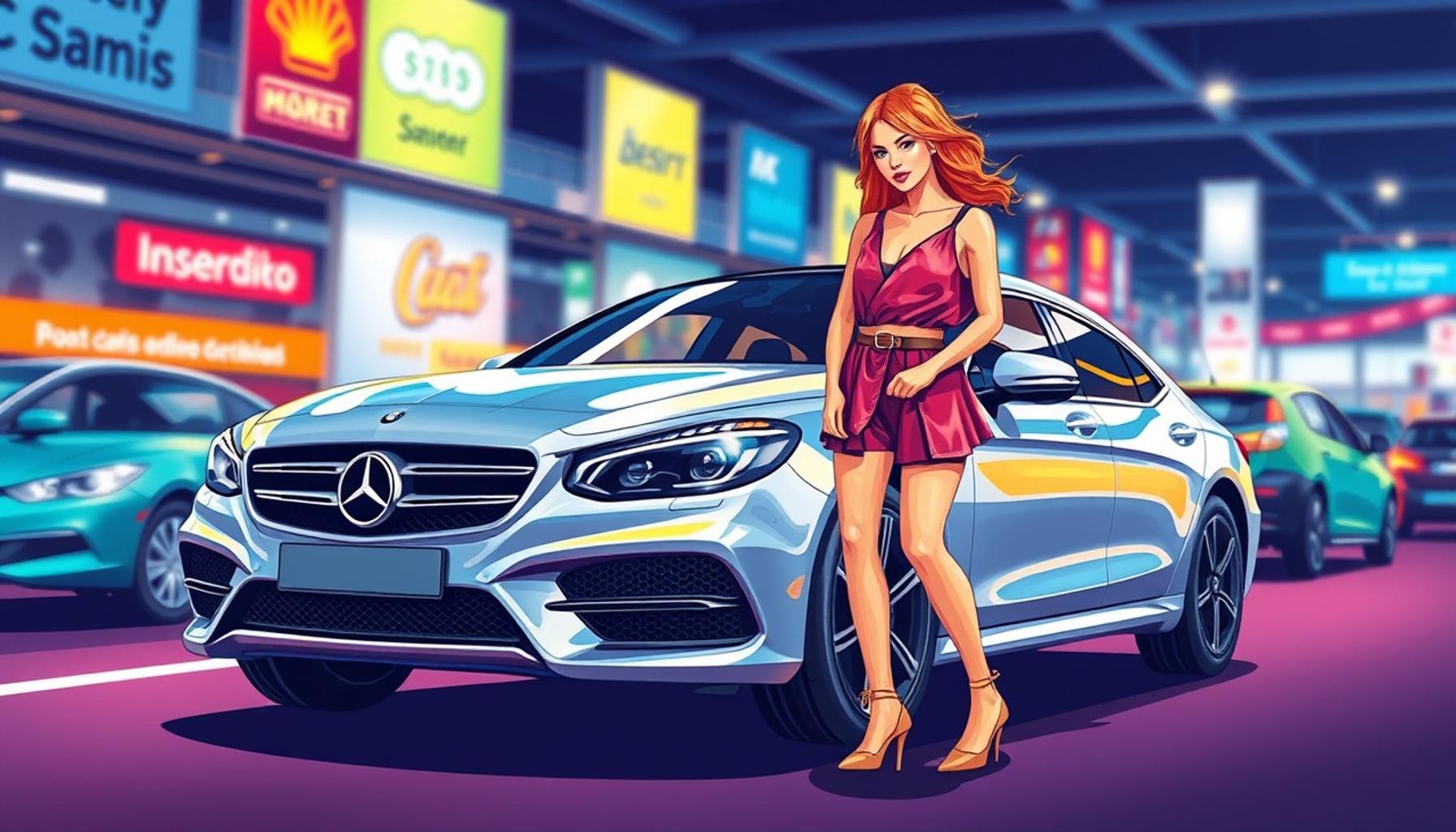
Moreover, marketing visuals play a crucial role in this integration. Fashion campaigns increasingly feature sustainable vehicles, using stunning imagery of models in eco-friendly cars set against picturesque backdrops. Such visuals tell a story—one that promotes an eco-conscious, effortlessly chic lifestyle. For example, a campaign might depict a model stepping out of a sleek electric car while wearing a sustainable outfit made from organic cotton, thereby creating a powerful visual statement that emphasizes harmony between fashion and sustainability.
Resonating with Today’s Consumers
The alignment of fashion with sustainability is especially pertinent as more consumers prioritize environmentally friendly practices in their purchasing decisions. With rising awareness regarding climate change and the importance of sustainability, consumers are actively seeking brands that resonate with their values. This consumer appeal means that marketing campaigns showcasing eco-friendly practices, such as featuring sustainable vehicle models, are likely to garner attention and foster deeper connections. By addressing the desires of eco-conscious consumers, fashion companies can not only increase sales but also cultivate a loyal customer base that feels aligned with the brand’s mission.
In conclusion, leveraging sustainable vehicle models within fashion marketing is more than just a trend—it’s a strategic approach to enhancing brand loyalty and attracting a modern, eco-conscious demographic. As brands embrace this synergy, they not only promote eco-friendly practices but also position themselves at the forefront of cultural change, proving that sustainability and style can indeed coexist harmoniously.
DISCOVER MORE: Click here for insights on investment opportunities in autonomous vehicles
Connecting the Dots Between Fashion and Sustainability
As fashion brands pursue a more sustainable future, the integration of sustainable vehicle models into their marketing campaigns represents a unique opportunity to highlight their environmental commitments. This connection is compelling not only because it emphasizes eco-friendly choices, but also because it enhances the narrative surrounding the brand. By associating their products with sustainable transportation, fashion labels can create a meaningful dialogue about responsible consumerism.
The Role of Brand Storytelling
Storytelling is an essential element of effective marketing, allowing brands to create narratives that resonate with their audience. When fashion companies incorporate sustainable vehicle models into their storytelling, they can engage consumers on a deeper level. For instance, a campaign could feature a designer discussing how their collection is inspired by the eco-friendly materials used in electric vehicles. This narrative not only highlights the thoughtful design of clothing but also underscores the shared values of sustainability in both fashion and transport.
Utilizing Influencers to Amplify Messages
Another significant factor in merging fashion and sustainability is the use of influencers. Many social media influencers now prioritize eco-consciousness, which makes them ideal partners for fashion brands seeking to promote sustainable vehicle models. By collaborating with influencers who advocate for green choices, brands can reach a wider audience and foster authentic conversations around sustainability. Some effective strategies include:
- Hosting eco-friendly fashion shows featuring models arriving in electric cars to create impactful moments.
- Encouraging influencers to share their experiences of wearing sustainable outfits while driving or riding in eco-friendly vehicles.
- Creating engaging content that allows followers to see the harmonious relationship between sustainable fashion and transportation.
Highlighting the Benefits of Sustainable Choices
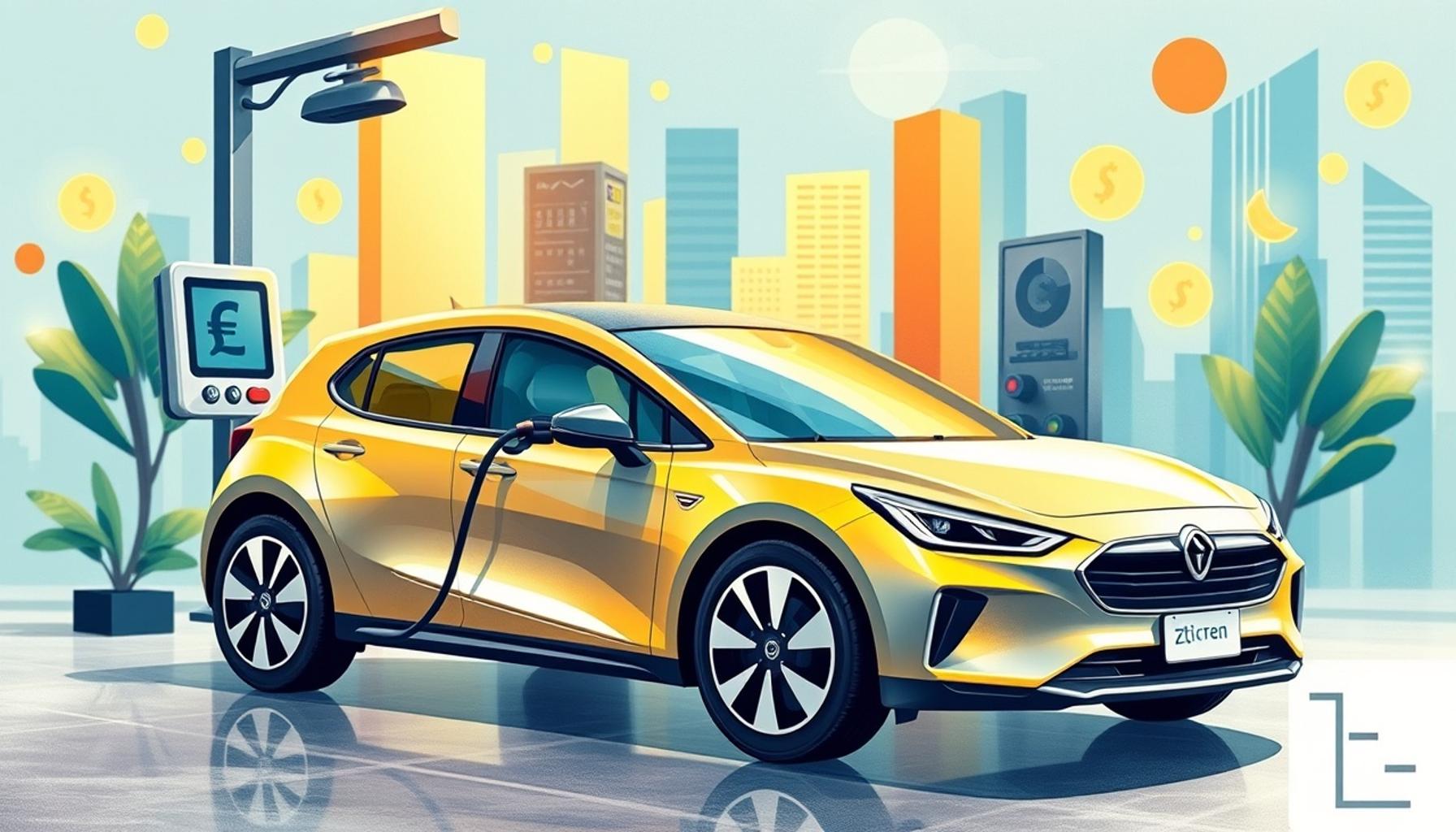
Fashion campaigns that spotlight sustainable vehicle models not only promote eco-friendliness but also inform consumers about the benefits of making such choices. In a market where green options are becoming increasingly vital, emphasizing the advantages of electric and hybrid vehicles can help shift perceptions. For example, highlighting how electric cars reduce emissions and save on fuel costs aligns with the broader benefits of adopting sustainable lifestyle practices. This creates an informative aspect to the campaigns that consumers can appreciate and relate to.
Ultimately, fashion marketing campaigns that embrace the intersection of style and sustainability empower brands to distinguish themselves in a competitive landscape. By effectively weaving sustainable vehicle models into their narratives, these companies are shaping a future where environmental responsibility is paramount, paving the way for a more conscious consumer culture.
DISCOVER MORE: Click here to uncover your ideal vehicle financing options
Creating Collaborative Spaces for Innovation
As fashion marketing campaigns evolve, they are increasingly fostering collaborative efforts that bridge the gap between fashion and sustainable vehicle manufacturers. By creating partnerships, brands can innovate in ways that resonate with environmentally aware consumers. For example, a prominent fashion label might collaborate with an electric vehicle company to co-design a limited edition vehicle that features sustainable materials in its interior or exterior design. This type of collaboration not only showcases both brands’ commitments to sustainability but also leads to unique product offerings that appeal to eco-conscious consumers.
Experiential Marketing: Engaging Audiences on Multiple Levels
Experiential marketing plays a crucial role in how fashion brands showcase sustainable vehicle models. Hosting events that allow consumers to experience the product firsthand can significantly impact purchasing decisions. For instance, a fashion brand could organize pop-up events where attendees can view the latest clothing collections alongside sustainable vehicles. Attendees may have the chance to test drive these vehicles while wearing pieces from the collection, creating a strong association between fashion and sustainability in their minds. This immersive approach not only makes the brand memorable but also allows consumers to understand how sustainable choices extend beyond clothing to their overall lifestyle.
Leveraging Digital Platforms for Wider Reach
With the rapid rise of digital marketing, fashion brands have a powerful tool at their disposal to integrate sustainable vehicle models into their campaigns. Social media platforms such as Instagram, TikTok, and YouTube are being used effectively to showcase eco-friendly initiatives. Fashion brands can create dedicated campaigns that promote not just their clothing but also the benefits of sustainable vehicles. For example, a campaign could feature a video series where influencers or brand ambassadors discuss how switching to an electric vehicle fits seamlessly into a sustainable lifestyle, sharing practical tips on reducing one’s carbon footprint.
- Utilizing interactive content like polls or quizzes on social media to engage audiences in conversations about sustainability.
- Launching social media challenges that encourage participants to showcase their sustainable outfits while using eco-friendly transportation.
- Creating content that dives deep into specific sustainable vehicle models, emphasizing their innovative technology and environmental impact.
Local and Global Impact: Emphasizing Community Initiatives
Another way fashion marketing campaigns are integrating sustainable vehicle models is by focusing on local and global community initiatives. Many fashion brands are supporting urban sustainability efforts that advocate for greener transportation options. For instance, a fashion label could sponsor a community event where people are encouraged to use bikes or electric public transport options, perhaps even offering discounts for attendees who arrive in sustainable vehicles. This not only establishes a sense of community around the brand but also signifies a commitment to making a positive impact beyond just the fashion industry.
Additionally, these initiatives can extend to global partnerships aimed at promoting renewable energy or clean transportation technology. By highlighting stories from various communities, brands can demonstrate how their commitment to sustainability is not just theoretical but has real-world implications. Collaborations with nonprofits focused on achieving sustainability in transportation can further enhance brand credibility and consumer trust.
DISCOVER MORE: Click here for insights on fashion and automotive style trends
Conclusion: A Fashionable Path to Sustainability
The integration of sustainable vehicle models into fashion marketing campaigns signifies a transformative shift in both industries. By fostering collaborative partnerships between fashion brands and eco-conscious vehicle manufacturers, companies are not only innovating their product offerings but also appealing to a growing demographic of environmentally aware consumers. This melding of fashion and sustainability creates a powerful statement about modern lifestyles, illustrating that style and responsibility can coexist.
Furthermore, experiential marketing strategies allow consumers to engage with sustainable vehicles in immersive ways that deepen their understanding of eco-friendly choices. By hosting events that pair fashion with sustainable transportation, brands create unique experiences that resonate well beyond simple transactions. This hands-on approach ensures that consumers connect the dots between their fashion choices and broader environmental impacts.
Additionally, in the digital age, fashion brands harness the power of social media platforms to extend their reach and foster conversations around sustainability. By utilizing influencers, engaging content, and online challenges, brands can amplify their message and encourage lifestyle changes among their audience. This not only builds community but also empowers consumers to embrace sustainable practices.
Lastly, by actively participating in community initiatives and global partnerships, fashion companies solidify their commitment to a more sustainable future. Highlighting these efforts not only strengthens brand credibility but also encourages collective action towards improving our planet. As the lines between fashion and sustainability continue to blur, there lies an exciting opportunity for innovation, creativity, and a significant shift toward a more responsible consumer culture.