The Influence of Experiential Marketing on the Promotion of Car and Clothing Brands at Fairs and Events
Experiential Marketing in Action
Experiential marketing has established itself as a significant strategy for brands, especially in competitive industries like automotive and fashion. The essence of this approach lies in creating engaging and memorable experiences that connect brands with their audiences on a personal level. This not only differentiates a brand in a crowded marketplace but also cultivates lasting loyalty among customers.
Interactive Engagement
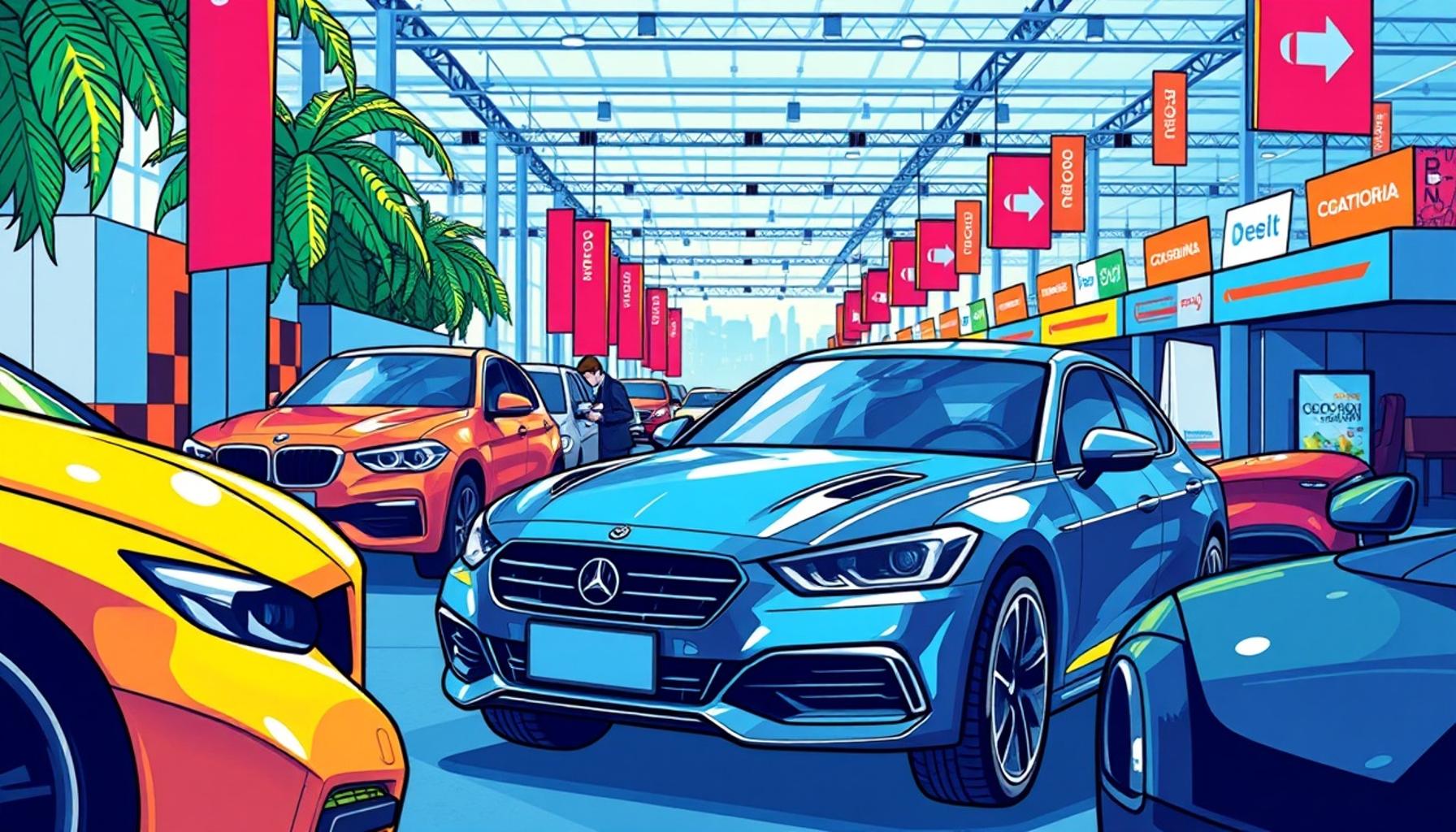
Interactive engagement forms the backbone of experiential marketing. Rather than merely presenting a product, brands invite consumers to actively participate. For instance, car manufacturers like Ford have set up interactive booths at major auto shows where attendees can sit in new models, interact with design elements, or even customize features via touch screens. This hands-on approach allows potential buyers to imagine themselves in the driver’s seat, quite literally, fostering a sense of ownership and enthusiasm that traditional advertising cannot replicate.
Live Demonstrations
Live demonstrations are another vital component of experiential marketing. For example, brands like Tesla offer live test drives during events—consumers can experience the innovative technology and seamless performance of electric vehicles firsthand. Similarly, clothing brands often host fashion shows where attendees can view the latest collections in action, sometimes featuring well-known influencers or local celebrities. This not only entertains but also provides consumers with a tangible experience of how the clothing fits and moves, making the products more relatable.
Social Sharing
In today’s digital age, social sharing plays a crucial role in amplifying the effects of experiential marketing. Brands often design experiences with the intention that attendees will share their moments online. For instance, immersive photo booths with unique backdrops set up at events prompt guests to take pictures and post them on social media platforms like Instagram. When attendees share their experiences, it broadens the brand’s reach and creates additional touchpoints with potential customers. This user-generated content acts as organic promotion and can significantly enhance brand perception and awareness.
Emotional Connection and Trust
Experiential marketing strategies not only enhance visibility but also foster a deeper emotional connection with the brand. When consumers participate in memorable experiences, they often leave with a sense of familiarity and trust toward the brand. This emotional bond can significantly influence their purchasing decisions. A study might reveal that people are more likely to buy a product after experiencing it in a meaningful way rather than simply seeing an advertisement for it. Brands that successfully execute these strategies can more easily transform one-time buyers into loyal brand advocates who not only return for future purchases but also recommend the brand to others.
As the landscape of consumer engagement continues to evolve, leveraging experiential marketing will remain essential for brands to stay competitive. By offering authentic experiences, brands can effectively cultivate a community of passionate supporters who contribute to the brand’s narrative and success.
DISCOVER MORE: Click here to learn about how marketing strategies influence electric vehicle sales
Creating Memorable Brand Experiences
The effectiveness of experiential marketing in promoting car and clothing brands at fairs and events is rooted in its ability to create memorable brand experiences. These experiences not only capture attention but also instill a sense of brand identity that resonates with consumers. By engaging all the senses and promoting interactivity, brands can craft an environment where consumers feel more connected and invested in what they are seeing and experiencing.
Sensory Experiences
Sensory experiences are a key element of successful experiential marketing campaigns. For car brands, incorporating sights, sounds, and even smells can enhance the overall event atmosphere. Imagine stepping into a sleek car exhibit where the sound of an engine revving fills the air, creating an adrenaline rush for the crowd. In contrast, clothing brands can stimulate the senses through touch, inviting attendees to feel the fabric of various garments, or by playing upbeat music that reflects the brand’s theme and audience taste. This multi-sensory approach can leave a lasting impression that mere advertisements cannot match.
Building Immersive Environments
Creating immersive environments at events is another effective strategy. Car brands often design entire pavilions that simulate driving conditions, complete with road simulations and virtual reality experiences, allowing attendees to “test drive” the latest models in an innovative way. For clothing brands, pop-up shops that encapsulate a seasonal theme or lifestyle provide an environment where consumers can not only shop but experience what it would be like to wear those clothes in a specific setting. By immersing audiences in a designed space, brands can forge a stronger connection and encourage immediate engagement.
Promoting Community and Interaction
Experiential marketing also has the power to foster a sense of community and interaction among consumers. At events like fashion shows or car expos, brands can encourage social engagements that facilitate connections among attendees. For example, a clothing brand might host a styling workshop where participants can help each other mix and match outfits, while car brands may introduce trivia games or contests that prompt attendees to interact with both staff and each other. These social elements not only enhance the experience but also align the brand with enjoyable memories, making participants more likely to remember and trust the brand.
Creating Lasting Impressions
Ultimately, the goal of experiential marketing at fairs and events is to create lasting impressions that resonate beyond the event itself. By delivering engaging experiences, brands can ensure that their message remains in the minds of consumers long after they leave the venue. The process of crafting these experiences requires thoughtful planning and a clear understanding of the target audience, which in turn makes consumers feel valued and appreciated. Given the fiercely competitive nature of the car and clothing industries, brands that harness the power of experiential marketing gain a significant advantage by standing out in the minds of potential customers.
DISCOVER MORE: Click here to dive deeper
Engagement Through Personalization
Another pivotal aspect of experiential marketing is the concept of personalization. Attendees at fairs and events are drawn to experiences that feel tailored to their individual preferences and tastes. Car brands can utilize this approach by enabling potential customers to customize their vehicles on-site. Interactive kiosks might allow attendees to choose the color, wheels, and additional features of a car, providing a unique experience that reflects their personal style. This level of personalization boosts emotional engagement, leading to a stronger affinity for the brand.
Utilizing Technology
Incorporating technology into experiential marketing strategies can greatly enhance the experience for consumers. Augmented reality (AR) and virtual reality (VR) technologies have become popular tools for brands looking to create a dynamic presence. For instance, a car brand might employ VR headsets so visitors can take an immersive virtual ride in a new model, exploring features in a completely interactive environment. Likewise, clothing brands can use AR applications to allow attendees to virtually try on outfits through their smartphones. These technological innovations not only modernize the consumer experience but also provide a memorable and exciting interaction that is likely to be shared on social media.
Storytelling as a Tool
Storytelling is another instrumental strategy in building brand experiences. It involves creating a narrative that resonates with consumers on a deeper level. Car brands may share compelling stories about the heritage and craftsmanship of their vehicles or showcase how their cars have enhanced real-life experiences—be it road trips or family moments. Clothing brands can narrate the journey of their clothing, from sustainable sourcing to craftsmanship, highlighting social responsibility and ethics. Engaging narratives help brands connect emotionally with consumers, emphasizing the brand’s value and fostering loyalty.
Leverage Influencer Partnerships
Collaborating with influencers at events can amplify the reach of experiential marketing initiatives. By inviting popular figures who resonate with target audiences to take part in event activities, brands can draw larger crowds and enhance credibility. For example, a clothing brand might have a fashion influencer hosting a live styling event or a car brand could feature a well-known automotive expert for an exclusive product demonstration. These partnerships not only attract attendees but also help shape conversations around the brand, as influencers typically share their experiences on social media, effectively creating additional buzz about the brand.
Measuring Engagement and Results
Lastly, measuring the success of experiential marketing is vital for brands looking to assess their impact at fairs and events. Gathering data and insights during and after the events through surveys, social media interactions, and foot traffic analytics can help brands understand consumer reactions and preferences. Brands can implement techniques such as QR codes that attendees can scan to provide their feedback or opt-in for follow-up information. By analyzing this data, companies can refine their strategies, enhance future experiences, and better connect with their desired audiences.
DIVE DEEPER: Click here to learn how to choose the best vehicle for your budget!
Conclusion
In summary, the rise of experiential marketing has significantly transformed the landscape of brand promotion, particularly for car and clothing brands at fairs and events. By focusing on creating immersive and memorable experiences, brands can effectively forge deeper emotional connections with consumers. The importance of personalization cannot be overstated; offering tailored interactions enhances consumer engagement and fosters a sense of loyalty. Furthermore, leveraging advanced technology like AR and VR not only captivates audiences but also sets a modern tone that appeals to tech-savvy consumers.
Storytelling plays a crucial role in establishing the narrative that resonates with potential customers, allowing brands to communicate their values and histories in an engaging manner. Additionally, strategic collaborations with influencers significantly amplify outreach, bringing authenticity and increased visibility to products. To ensure continued success and improvement, brands must prioritize measuring engagement and results. Analytical insights gathered from events will aid in refining future marketing strategies, making experiences not only memorable but also impactful in driving brand loyalty and sales.
As we look to the future, car and clothing brands that embrace and innovate experiential marketing practices will thrive in the competitive landscape. By continuously adapting to consumer preferences and leveraging new technologies, these brands can create experiences that are not only enjoyable but also forge lasting relationships with their audience.