
Neuromarketing: Understanding Consumer Behavior Through Science
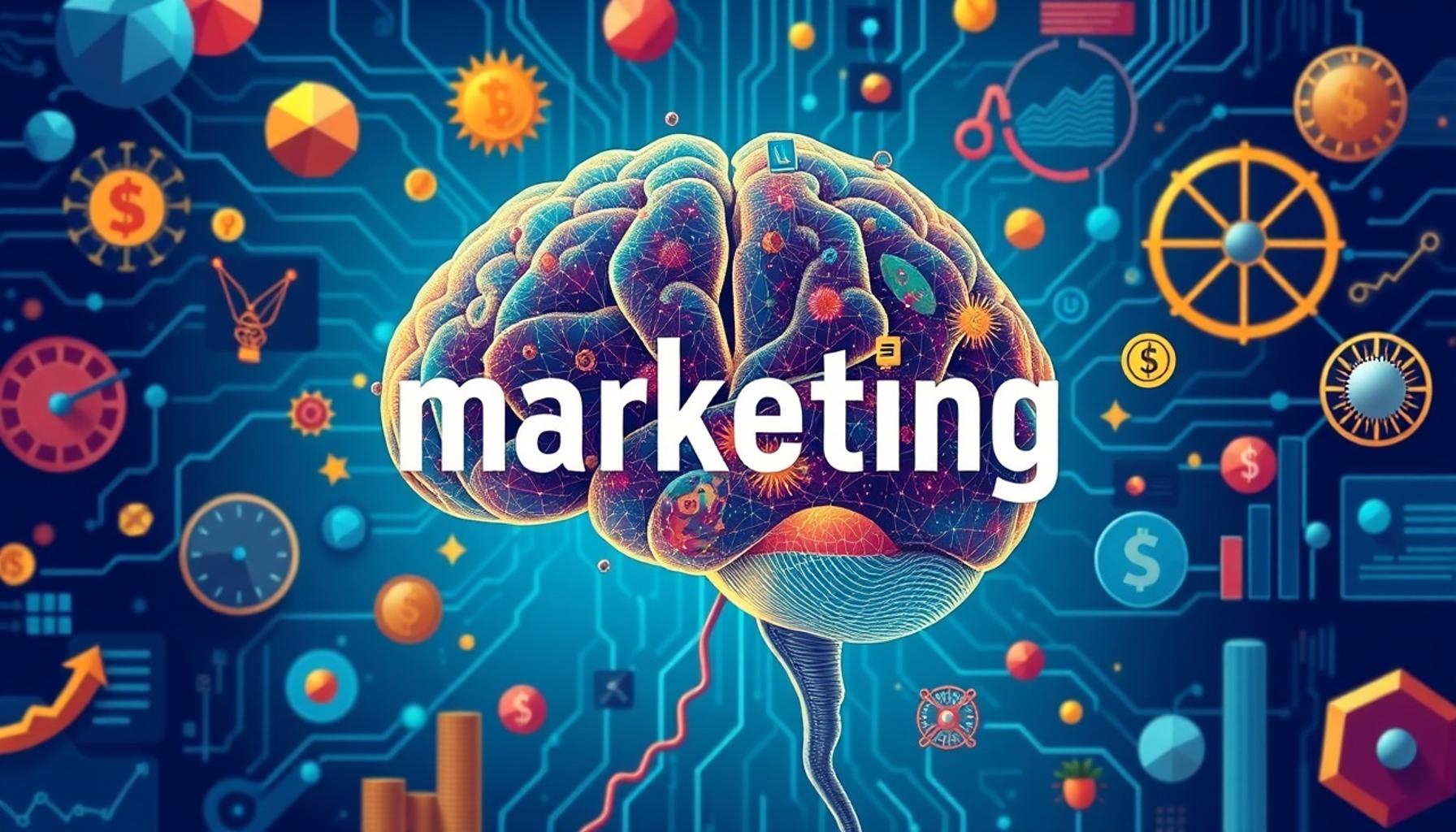
Understanding the Dynamics of Consumer Choice
In today’s competitive marketplace, grasping why consumers make specific choices often feels like peeling back layers of complexity. Neuromarketing emerges as a powerful tool designed to decipher these layers by blending insights from neuroscience with innovative marketing techniques. This field dives deep into the physiological reactions and emotional responses triggered in the brain when individuals engage with products or brands. Armed with this knowledge, businesses can significantly enhance their understanding of consumer behavior.
Why is Neuromarketing Essential?
Neuromarketing offers critical advantages that can reshape company strategies and foster lasting connections with consumers. Below are some notable benefits:
- Enhancing Customer Engagement: By tapping into the emotional triggers that motivate purchasing decisions, companies can create campaigns that resonate deeply with their audience. For instance, a brand that sells athletic wear might use inspiring stories of perseverance to evoke emotional responses, encouraging potential customers to associate the brand with positive feelings.
- Improving Product Design: Understanding how consumers react to sensory stimuli enables businesses to tailor products that meet their needs better. Consider the automotive industry; car manufacturers often conduct sensory testing to perfect the feel of their vehicles’ interiors, ensuring they evoke comfort and luxury that appeals to potential buyers.
- Optimizing Advertising: Effective advertising goes beyond catchy slogans; it delves into creating messages that resonate on a more profound level. Through neuromarketing techniques, a cereal brand may learn that depicting family breakfasts sparks feelings of nostalgia, leading to advertisements that reflect warmth and familial bonds.
Employing Scientific Methods
The integration of scientific techniques is crucial to the success of neuromarketing strategies. Some prominent methods include:
- Functional MRI (fMRI): This technique allows researchers to observe brain activity in real-time as participants make decisions or view advertisements. By analyzing how different areas of the brain activate, marketers can understand the underlying thought processes that guide consumer choices.
- Eye Tracking: Through specialized technology, companies can track where consumers look on a page or a product. This method provides valuable information regarding what elements attract attention and which features may go unnoticed, helping businesses design more effective displays.
- Facial Coding: This involves assessing facial expressions to gauge emotional responses to marketing materials. For example, a brand launching a new snack may utilize facial coding to determine whether their advertising creates happiness or confusion, allowing for timely adjustments.
By leveraging these scientific methods, marketers can craft strategies that go beyond traditional practices, fostering deeper connections with consumers. As we explore the realm of neuromarketing further, it’s evident that understanding the science behind consumer behavior is not just a trend—it’s a vital approach for businesses aiming to thrive in an ever-evolving market. By applying these insights effectively, companies in the United States can create tailored marketing strategies that not only capture attention but also translate into increased sales and customer loyalty.
Delving into Consumer Emotions and Decision-Making
As marketers endeavor to connect with consumers, it is essential to appreciate the profound role emotions play in the decision-making process. Emotions not only influence individual purchasing decisions but can also drive loyalty and brand preference over time. With neuromarketing, marketers can uncover the emotional triggers that lead to action, allowing them to craft more effective communication strategies.
The Emotional Brain: A Key to Understanding Choices
Understanding how the brain reacts to various stimuli can provide invaluable insights into consumer behavior. The limbic system, for instance, is a critical part of the brain responsible for emotions and memories. It interacts with the sensory input received from the environment, shaping how consumers perceive products and brands. By tapping into this emotional framework, companies can create marketing strategies that resonate more deeply.
Research has demonstrated that consumers often make purchasing decisions based on emotional responses rather than logical assessments alone. For instance, a study found that consumers remember emotionally charged advertisements more effectively, prompting them to discuss the brand with others and paving the way for word-of-mouth marketing. This connection highlights the importance of crafting campaigns that evoke emotions, whether it’s joy, nostalgia, or even envy.
Neuromarketing in Action: Real-World Applications
To illustrate the practical applications of neuromarketing, consider the following examples:
- Emotionally Driven Campaigns: Brands like Coca-Cola have harnessed emotional storytelling to forge connections with their audience. Their advertisements often emphasize shared experiences, such as family gatherings, to create a sense of belonging and happiness.
- Targeting Specific Demographics: By analyzing brain responses, companies can develop targeted messages that appeal to specific age groups or cultural backgrounds. For example, marketing campaigns targeting millennials may focus on sustainability and social responsibility, as these factors resonate strongly within this demographic.
- Halo Effect: This cognitive bias describes consumers’ tendency to rely on first impressions when evaluating products. Brands can leverage this by ensuring that their packaging, advertisements, and overall presentation create a positive emotional response, which in turn boosts the perceived value of the product.
As these examples demonstrate, the ability to elicit emotional responses through powerful storytelling and strategic messaging can transform consumer behavior. Neuromarketing not only reveals the mechanics behind emotional triggers but also equips businesses with the tools needed to create memorable brand experiences. This insight is crucial in understanding that today’s consumers are not merely purchasing products; they are engaging in emotional transactions that should not be overlooked. By delving into the science of emotions and decision-making, brands can ensure they remain relevant in an ever-changing marketplace.
Unpacking the Sensory Experience in Marketing
While emotions are a powerful driver of consumer behavior, another crucial aspect to explore in neuromarketing is the sensory experience. Our senses—sight, sound, touch, taste, and smell—play a vital role in how we perceive products and make purchasing decisions. Marketers can utilize insights from neuroscience to create multisensory experiences that engage consumers on multiple levels.
The Role of Vision in Consumer Choices
Vision is arguably the most dominant of our senses when it comes to marketing. Research indicates that we form first impressions within seconds, often based on visual cues alone. The colors, shapes, and layout of a product’s packaging can impact perceived quality and value. For example, a study found that consumers associate certain colors with specific attributes—blue typically conveys trust and reliability, while red can evoke excitement and urgency.
Brands increasingly leverage these insights by employing strategic color palettes in their branding and advertising campaigns. Target, a well-known retail brand, effectively uses red and white to create an inviting and energetic atmosphere in its stores, influencing consumers’ perceptions of both the shopping experience and the products themselves.
Sound and Its Impact on the Buying Experience
Beyond visual aspects, sound also significantly affects consumer behavior. Background music in retail environments can influence purchasing decisions and even increase the amount spent. Research suggests that slower tempos encourage consumers to linger longer in stores, which can lead to increased sales. This tactic was notably employed by a chain of grocery stores that played soft, classical music during peak hours, resulting in a greater average basket size.
Moreover, the auditory branding phenomenon demonstrates how catchy jingles or sonic logos can become synonymous with a brand. A well-designed audio cue not only enhances brand recall but also evokes emotional associations that can drive consumer loyalty. Think of well-known jingles like McDonald’s «I’m Lovin’ It,» which has become deeply ingrained in popular culture.
The Power of Touch and Taste
Touch and taste are also indispensable elements in the consumer experience, especially in sectors like food, cosmetics, and fashion. Allowing consumers to physically interact with products can create a tangible connection that significantly influences their purchasing decisions. Research shows that the act of holding a product can enhance its perceived value—this phenomenon is often utilized in cosmetic retail environments where testers are available.
In the food industry, samples are a common tactic employed to encourage trial and foster positive associations. For instance, Costco famously offers free samples of various products throughout its warehouse stores. This not only engages the sense of taste but also creates an immediate sensory experience that can lead to impulsive purchases.
Similarly, the olfactory sense plays a crucial role in consumer preferences. Scents can evoke specific memories and emotions, making them a powerful marketing tool. Many retailers strategically diffuse pleasant fragrances or bake bread in-store, creating an inviting ambiance that translates into increased foot traffic and sales.
By understanding how different senses influence consumer behavior, marketers can implement more effective strategies that cater to these multifaceted preferences. The integration of sensory experiences in marketing campaigns represents a promising frontier in neuromarketing, paving the way for more immersive and memorable consumer interactions.
Conclusion
In today’s constantly evolving marketplace, neuromarketing offers invaluable insights into consumer behavior through the lens of science. By combining principles from neuroscience with marketing strategies, brands are better equipped to understand the underlying motives that drive purchasing decisions. As we have explored, the emotional and sensory experiences significantly influence how consumers perceive products, highlighting the importance of crafting engaging brand interactions.
Understanding aspects such as the power of color, sound, touch, taste, and smell has opened new avenues for marketers to create more effective campaigns. For instance, businesses like Target leverage color psychology to enhance the shopping experience, while grocery stores harness the impact of background music to increase sales. These strategies not only enrich consumer engagement but also foster brand loyalty and satisfaction.
Moreover, the application of multisensory marketing serves as a compelling reminder that we are more than just rational consumers—our decisions are intricately woven with emotional and sensory influences. Advertisers who recognize and integrate these principles into their campaigns can create more meaningful connections with their audience.
As neuromarketing continues to evolve, it invites businesses to rethink their approach to reaching consumers. By employing these scientific insights, brands can not only enhance their marketing efficacy but also contribute to a more nuanced understanding of the complex tapestry of consumer behavior. As we look ahead, the potential for innovation and personalization in marketing strategies through neuromarketing remains vast, illuminating a path toward more empathetic and informed commercial practices.

Beatriz
Beatriz Johnson is a seasoned financial analyst and writer with a passion for simplifying the complexities of economics and finance. With over a decade of experience in the industry, she specializes in topics like personal finance, investment strategies, and global economic trends. Through her work on our website, Beatriz empowers readers to make informed financial decisions and stay ahead in the ever-changing economic landscape.