Gamification in Marketing: Engaging Customers Through Games and Challenges
Embracing New Strategies to Engage Customers
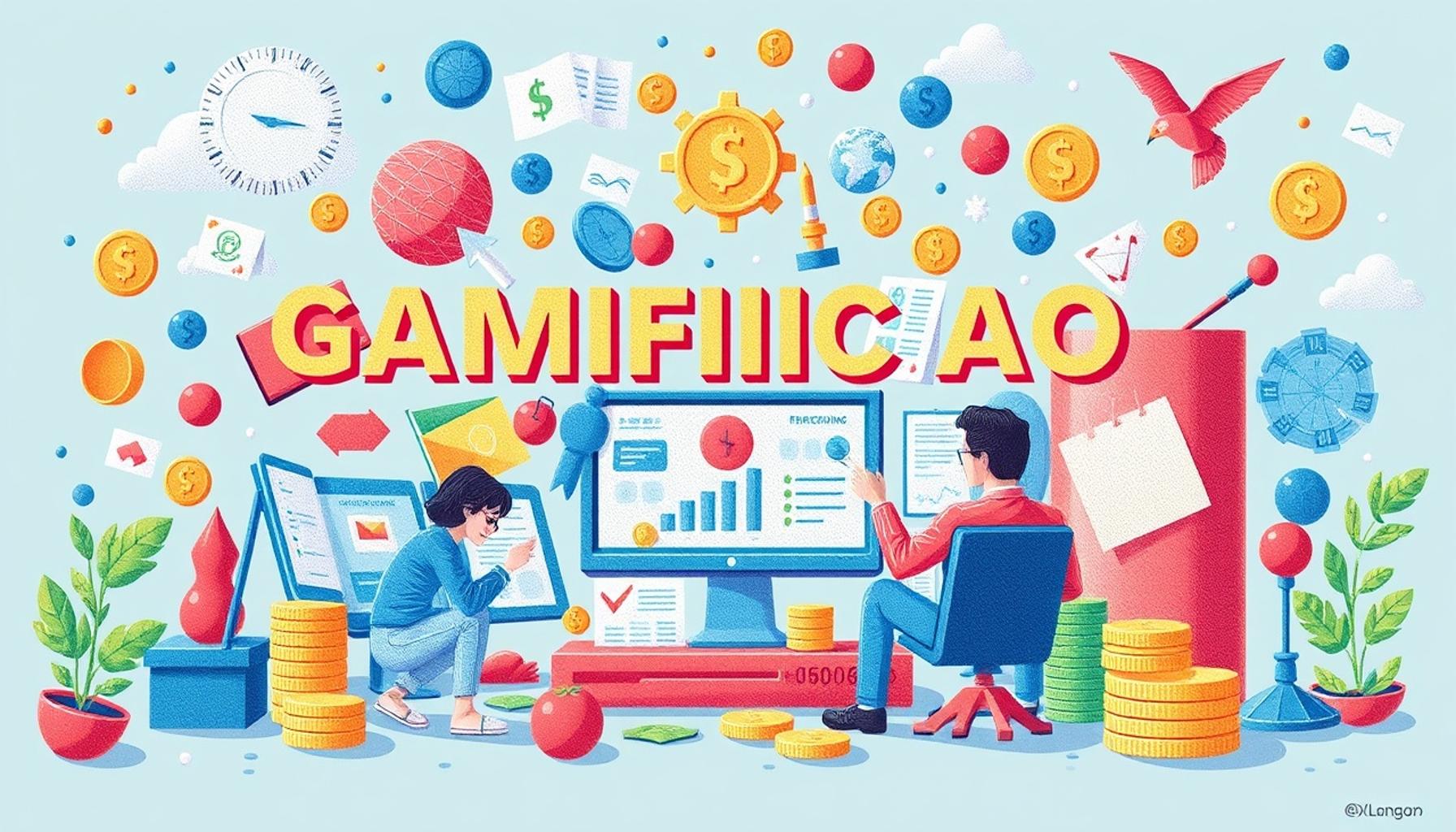
In today’s competitive marketplace, brands constantly seek innovative ways to capture attention and foster loyalty. Gamification has emerged as an effective strategy, blending marketing principles with game mechanics to engage customers in a dynamic manner. This approach transforms mundane interactions into exciting experiences, making it easier for brands to connect with their audiences.
By introducing game-like elements, businesses can create immersive experiences that not only attract customers but also enhance their brand affinity. The use of gamification is particularly compelling because it taps into the natural human desire for challenge and achievement, allowing customers to feel a sense of progress and accomplishment. Here are some key features of gamification in marketing:
- Points and Rewards: Customers earn points for actions like purchases, social shares, and referrals. For instance, a coffee shop may reward customers with points every time they buy a drink. These points can then be redeemed for discounts, free items, or exclusive offers, encouraging repeat business.
- Challenges and Quests: Engaging tasks motivate customers to interact more deeply with the brand. For example, a fitness app might set a challenge for users to complete five workouts in a week, with a reward for those who do. This not only promotes healthy habits but also keeps the brand at the forefront of users’ minds.
- Leaderboards: Public recognition of customer achievements fosters healthy competition. A retail brand might display a leaderboard showing top customers based on points earned or purchases made. This can create a sense of community and drive engagement, as customers strive to improve their ranking.
Successful examples of gamified marketing abound. The Starbucks Rewards program, for instance, incentivizes customers to earn stars with every purchase, which can lead to free drinks and bonus offers. This not only encourages repeat visits but also strengthens the emotional bond between customers and the brand. Similarly, Nike employs challenges within its app, allowing users to set and achieve fitness goals while competing with friends. This approach motivates customers to stay active and connected to the brand.
As we delve deeper into the world of gamification, it becomes clear that these strategies not only engage customers but also drive sales and enhance brand loyalty. By creating a fun, interactive environment, businesses can transform the relationship between themselves and their audiences, ultimately leading to a more committed and enthusiastic customer base.
Understanding the Core Elements of Gamification
To effectively utilize gamification in marketing, it is essential to comprehend its core elements and the underlying psychological principles that drive customer engagement. At its heart, gamification leverages the well-known mechanics of games—such as scoring, competition, and rewards—transforming everyday consumer interactions into engaging experiences. This approach not only captures attention but also encourages long-term participation.
One of the foundational aspects of gamification is the concept of intrinsic motivation. This refers to the internal drive that compels individuals to act based on personal satisfaction or enjoyment, rather than external rewards. When businesses incorporate game mechanics into their marketing strategies, they effectively tap into this intrinsic motivation, making participation feel rewarding in itself. Customers come to see the brand as a source of fun and engagement, rather than just a transactional relationship.
Here are some practical ways businesses can incorporate gamification into their marketing efforts:
- Social Sharing: Encourage customers to share their achievements on social media platforms. Brands like Duolingo reward users for completing language lessons with badges that can be shared online, helping to spread brand awareness while creating a sense of accomplishment.
- Progress Tracking: Allow customers to visualize their progress over time. For example, many fitness apps showcase users’ workout streaks, giving them a clear picture of how far they’ve come, motivating continued engagement.
- User-Generated Content: Invite customers to create content related to the brand. Platforms like Starbucks encourage customers to share photos of their drinks while using specific hashtags, fostering community and driving engagement.
Moreover, gamification strategies can be tailored to fit various target demographics, ensuring that the approach resonates with diverse customer bases. For instance, younger audiences may appreciate fast-paced challenges and immediate rewards, while older customers might prefer more strategic tasks that allow for reflection and analysis.
Research also shows that gamified experiences can lead to a significant increase in customer retention and satisfaction. A study conducted by a leading marketing research firm found that businesses employing gamification saw a 20% increase in customer engagement levels on average. This remarkable statistic underscores the effectiveness of game mechanics in creating memorable experiences that encourage customers to keep coming back.
In summary, understanding the core elements of gamification allows businesses to create meaningful connections with their customers. By leveraging intrinsic motivation and designing engaging experiences through game-like structures, brands can not only foster customer loyalty but also enhance their overall value proposition in a crowded marketplace.
Implementing Gamification: Real-World Examples
Understanding how gamification works is one thing, but seeing it in action is entirely another. Numerous brands have successfully incorporated gamified elements into their marketing strategies, resulting in enhanced customer engagement and loyalty. Let’s explore some real-world examples that showcase effective gamification in marketing.
Starbucks Rewards Program
One of the most recognized examples of gamification in marketing is Starbucks’ Rewards Program. This program encourages customers to earn stars for every purchase, which can be redeemed for free drinks or food items. By presenting rewards as a game, Starbucks not only incentivizes purchases but also establishes a sense of achievement for members. Customers can track their progress openly through the app, visualizing how many stars they need for a reward. This transparency creates excitement and motivates them to continue engaging with the brand. Additionally, Starbucks often runs special promotions where customers can earn double stars, further enhancing the competitive aspect and encouraging a flurry of purchases during promotional periods.
Nike’s ‘Nike+ Run Club’
Another stellar example is Nike’s ‘Nike+ Run Club’. This app gamifies fitness by allowing users to track their runs, join challenges, and earn rewards based on their performance. Users can set personal goals, earn badges for milestones, and even compete with friends or meetups. The app not only tracks performance metrics but also creates a community atmosphere, motivating users to share their achievements. By integrating social elements and a rewards structure, Nike effectively engages users on their fitness journey, leading to an increase in brand loyalty among health-conscious consumers.
McDonald’s Monopoly Game
The well-known Monopoly Game at McDonald’s is another fascinating case. This promotional event invites customers to collect game pieces from their food purchases, allowing them to win anything from free food to substantial cash prizes. The excitement of potentially winning draws in customers, often spurring them to buy more than they usually would in hopes of completing sets or obtaining rare pieces. This kind of gamification not only boosts sales during the event but also generates buzz and anticipation among consumers, who eagerly await the next iteration of the game.
Duolingo’s Language Learning Approach
Language-learning platform Duolingo exemplifies how gamification can transform user experience. The app incorporates elements like XP (experience points), levels, and daily challenge streaks to keep users engaged. Gamification is woven into the learning journey, encouraging users to practice every day to maintain a streak and earn rewards. This approach caters to users’ intrinsic motivation through enjoyment, creating a sense of accomplishment while they learn. Duolingo’s diversified activities—quizzes, listening exercises, and the ability to compete with friends—enhance interaction, proving them to be a pioneer in gamified education.
These examples illustrate that gamification, when done correctly, can lead to effective marketing strategies that resonate with consumers. By integrating game-like features into their experiences, brands can captivate their audience, foster loyalty, and ultimately drive sales. Such methods highlight not only the importance of engaging customers but also the responsibility that comes with it—to ensure that the gamified elements enhance the consumer experience rather than detract from it.
Conclusion
In an increasingly competitive marketplace, gamification in marketing has emerged as a powerful strategy for engaging customers. By integrating game-like elements into their marketing efforts, brands can create compelling experiences that not only resonate with consumers but also foster lasting loyalty. As demonstrated by successful initiatives from companies like Starbucks, Nike, McDonald’s, and Duolingo, gamification can stimulate participation, spark excitement, and encourage repeat interactions.
However, it is essential to remember that the primary goal of gamification should be to enhance the customer experience rather than complicate it. When designed thoughtfully, gamified elements can provide meaningful value, turning mundane transactions into exciting journeys. Brands must continually assess their gamified strategies to ensure they remain relevant and engaging, adapting to changing consumer preferences while maintaining transparency and trust.
As technology evolves, the potential for gamification in marketing will undoubtedly expand, offering even more innovative ways to connect with customers. Businesses that embrace this trend and prioritize authenticity and enjoyment in their campaigns will not only stand out in the crowded marketing landscape but also cultivate deeper and more meaningful relationships with their audience. Ultimately, gamification is not just about games; it’s about harnessing the principles of play to uplift the marketing experience and drive long-term success.

Beatriz
Beatriz Johnson is a seasoned financial analyst and writer with a passion for simplifying the complexities of economics and finance. With over a decade of experience in the industry, she specializes in topics like personal finance, investment strategies, and global economic trends. Through her work on our website, Beatriz empowers readers to make informed financial decisions and stay ahead in the ever-changing economic landscape.