Credit Cards and Security: New Technologies to Protect Consumers in a Connected World
Importance of Security in Digital Transactions
In today’s fast-paced digital economy, where online purchases are often just a click away, ensuring the security of financial transactions has become a top concern for consumers and businesses alike. The convenience of using credit cards is undeniable; however, the increased reliance on these cards comes hand-in-hand with a heightened risk of fraud and theft. Being equipped with knowledge about the latest protective technologies is vital for anyone who wants to use credit cards safely.
Technological Innovations Enhancing Credit Card Security
To combat fraud and ensure safer transactions, various technological advancements have been adopted in the financial industry. Understanding these innovations can help users appreciate the measures in place to protect their sensitive information.
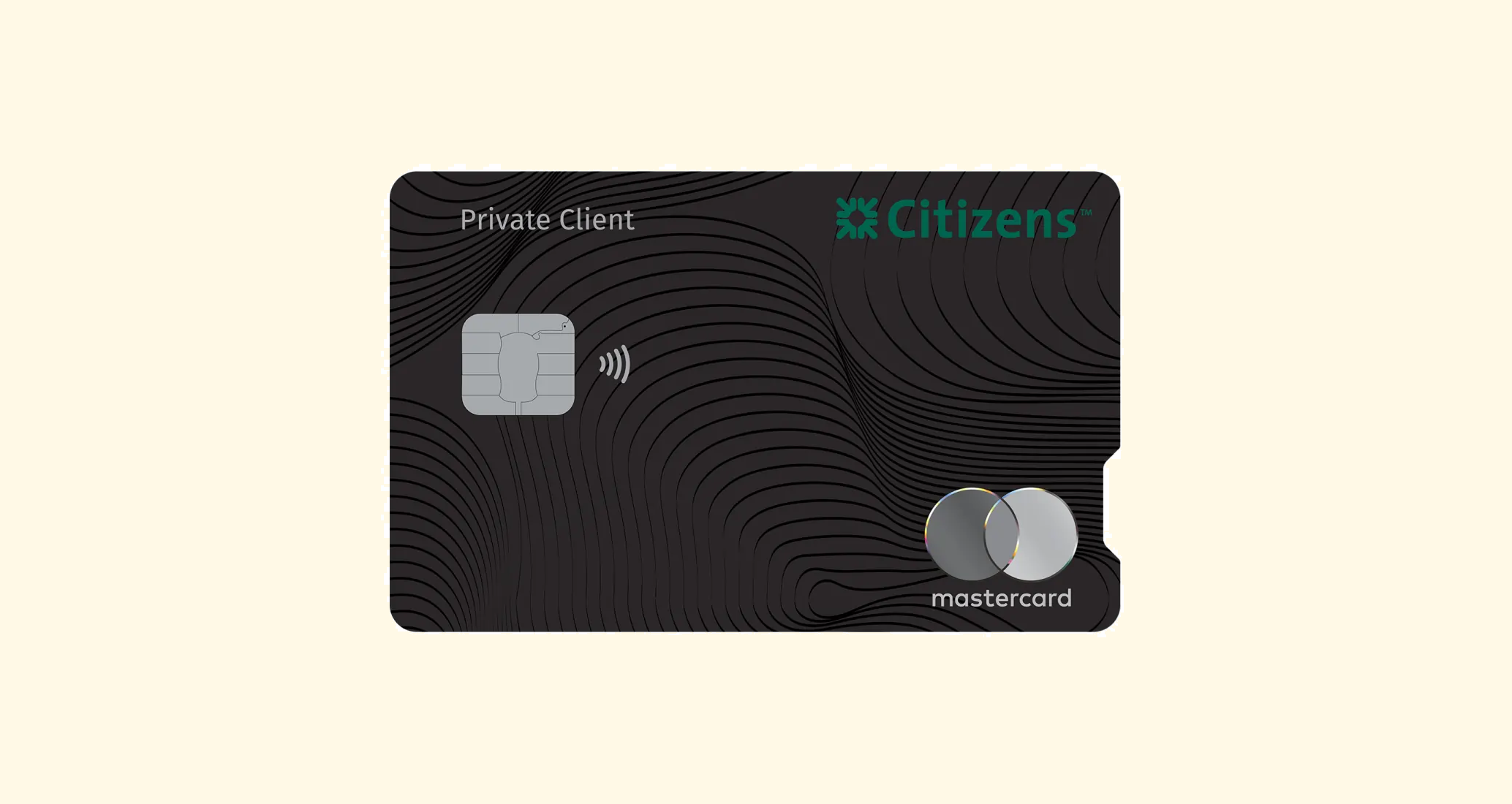
- EMV Technology: This technology involves embedded microchips in credit cards that make it much harder for thieves to create counterfeit cards. Unlike magnetic stripes, which can be easily cloned, EMV chips generate a unique transaction code for each purchase, making it nearly impossible for a duplicated card to be used successfully.
- Tokenization: This process involves replacing sensitive credit card data with a unique digital identifier or ‘token.’ For example, during an online purchase, your actual card number is replaced with this token, which can only be used for that specific transaction. This means that even if a hacker intercepts the transaction, they only obtain the token, not your actual credit card information.
- Biometric Authentication: Increasingly popular, biometric methods such as fingerprint scanning and facial recognition add an extra layer of security. For instance, many smartphones have built-in biometric features that require a user’s physical characteristics before allowing any transactions. This prevents unauthorized individuals from accessing your account even if they have your physical card.
Staying Informed for Enhanced Safety
As technology continues to evolve, it is essential for consumers to remain informed about these new security measures. Understanding the features of your credit card is crucial. For instance, look for cards that offer EMV technology or those that provide tokenization for online purchases. Additionally, consider those that incorporate biometric authentication within their apps for greater convenience and security.
By adopting safe practices and being aware of these technologies, consumers can significantly reduce their risk of falling victim to fraudulent activities. Regularly monitoring your bank statements for unauthorized transactions, using strong and unique passwords for online accounts, and enabling alerts for any transactions can further safeguard your financial well-being.
As we delve deeper into the world of secure credit card usage, remember that being proactive and informed is your best defense against fraud in the digital landscape. Understanding your credit card’s capabilities and employing best practices can lead to a much safer online shopping experience.
DISCOVER MORE: Click here to learn about digital marketing strategies
Advanced Measures Combating Fraud
As the digital landscape grows, so too does the sophistication of fraudsters. Financial institutions are under constant pressure to enhance their security measures to stay ahead of these evolving threats. Understanding how these new technologies work can empower consumers to make informed decisions and feel more secure when using their credit cards.
- Contactless Payment Systems: With the rise of mobile wallets and contactless cards, transactions can now be made with a simple tap. While this adds convenience, it also raises concerns about security. To mitigate these risks, many issuers have integrated advanced security features, such as encryption and limited transaction amounts, to prevent unauthorized access. For instance, contactless payment systems utilize Near Field Communication (NFC), which enables secure data exchange and reduces the chance of card skimming.
- Real-Time Fraud Monitoring: Financial institutions increasingly employ sophisticated algorithms to monitor transactions for suspicious activity. This involves analyzing purchase patterns and alerting users instantly if something seems amiss. For example, if a transaction is made in a different country within a short time frame of a domestic purchase, the bank may temporarily freeze the account and contact the cardholder to confirm the transaction. Such real-time monitoring provides consumers with a safety net that was not available in earlier times.
- Fraud Alerts and Notifications: Many credit card companies now offer customizable alerts that can notify consumers of any unusual activity. For example, consumers can set up alerts for purchases exceeding a certain amount, international transactions, or online purchases. These alerts allow users to act quickly if there is an unauthorized charge, thereby minimizing potential losses. Being informed and vigilant enhances personal security and builds confidence in the usage of credit cards.
It’s essential for consumers to take advantage of these features offered by their credit card providers. Familiarizing oneself with the settings and options available can greatly enhance personal security. Many banks and card issuers have user-friendly mobile apps that allow you to manage alerts and notifications effortlessly.
In addition, consumers should not hesitate to reach out to their credit card issuers to understand what security measures are in place for their accounts. Knowledge of these protections can build trust and enable users to navigate the digital marketplace with more confidence.
Today’s technology offers a robust framework for protecting consumers from potential threats. The key lies in the proactive approach that both cardholders and financial institutions must take in a shared effort to safeguard sensitive information.
DISCOVER MORE: Click here to find out how to score free clothes!
Biometric Authentication and Tokenization
As threats evolve, so do the methods of authentication that seek to enhance credit card security. Biometric authentication and tokenization are two cutting-edge technologies that offer additional layers of protection for consumers, making the credit card experience not only secure but also user-friendly.
- Biometric Authentication: This technology leverages unique physical characteristics, such as fingerprints, facial recognition, or even voice patterns, to verify a user’s identity. Many smartphones now come equipped with biometric capabilities, allowing users to make payments securely with just a touch or a glance. For instance, Apple Pay employs Touch ID and Face ID features to enable seamless transactions without compromising security. This method not only makes illegal access nearly impossible but also ensures that the person using the card is indeed its owner, thereby significantly reducing the risk of fraud.
- Tokenization: Tokenization is another innovative strategy that protects sensitive credit card information. This process replaces your actual credit card number with a unique identifier or “token.” During a transaction, this token is used instead of your real card details, significantly reducing the risks associated with data breaches. Even if a hacker were to intercept the token during a transaction, it would be useless for any future purchases, as it cannot be linked back to the actual account. This practice is becoming increasingly prevalent among online retailers and mobile payment services, further shielding consumers’ information.
These advanced methods of security address the consumer concern regarding the safety of their personal and financial information in an age where digital interactions are ubiquitous. As biometric authentication becomes more integrated into mobile payment systems, it decreases reliance on traditional passwords, which can often be forgotten or hacked. Additionally, the experience is streamlined, enhancing overall satisfaction for users.
Moreover, consumers should keep in mind the importance of keeping their biometric data secure. Although the technology is designed to safeguard against fraud, it is always wise to use additional security features, such as setting up a backup password or PIN. This multi-layered security approach not only protects individual accounts but also provides peace of mind when engaging in online transactions.
Tokenization stands out as a revolutionary solution particularly for eCommerce. It reassures retailers by enabling secure transactions without storing sensitive credit card details on their servers. This drastically reduces the likelihood of breaches, providing both merchants and customers with a safer shopping experience. Consequently, as more businesses adopt tokenization, consumers can shop online with greater trust and comfort.
In summary, both biometric authentication and tokenization reflect the dynamic nature of financial technology, responding to the security challenges faced by consumers today. By staying informed on these developments, consumers can utilize their credit cards with greater confidence and protect their financial wellbeing in a connected world.
DISCOVER MORE: Click here to learn about the future of remote work
Conclusion
In a world where digital transactions are becoming the norm, understanding the latest security technologies that protect our credit cards is more important than ever. Biometric authentication and tokenization stand out as transformative innovations that not only make our transactions secure but also enhance user convenience. By using unique personal identifiers like fingerprints or facial recognition, biometric authentication ensures that the person making a purchase is indeed the legitimate cardholder, thereby greatly reducing the potential for fraud.
On the other hand, tokenization provides a robust defense against data breaches by substituting sensitive credit card information with secure, meaningless tokens during transactions. This means that even if a hacker intercepts a token, it can’t be used to exploit the cardholder’s actual account. Both technologies exemplify the finance industry’s proactive approach to safeguarding personal and financial information in an ever-evolving digital landscape.
As consumers, it is essential to remain vigilant and informed about our security options. Utilizing these advanced protective measures not only boosts our confidence when shopping online but also encourages retailers to implement safer practices. Additionally, employing supplementary security measures—such as backup passwords or PINs—ensures that our personal data remains safe from unauthorized access.
In summary, the integration of biometric authentication and tokenization represents significant progress in credit card security. As we continue to embrace the conveniences of a connected world, staying educated about these technologies empowers us to make informed decisions, ultimately protecting our financial well-being for years to come.

Linda Carter
Linda Carter is a writer and fashion content specialist who focuses on Shein, online shopping trends, and style discoveries. With extensive experience helping readers explore affordable fashion, understand shopping tips, and make smarter purchase decisions, Linda shares her insights on our platform. Her goal is to empower readers with practical advice and useful strategies to navigate Shein’s offers, discover new trends, and enjoy a more confident and informed shopping experience.