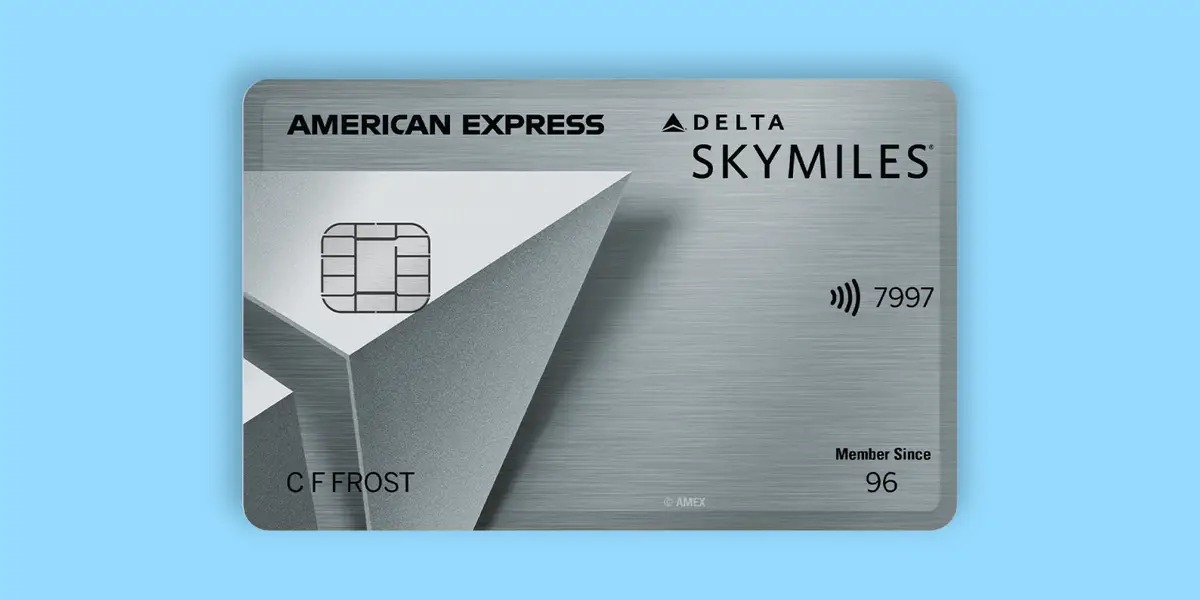
Sustainable Credit Cards: The Rise of Eco-Friendly Options and Their Role in Purchasing Decisions
The Importance of Sustainable Financial Choices
In the modern era, consumers are increasingly seeking ways to make responsible financial choices that reflect their personal values and concerns about the planet. As awareness of climate change and environmental degradation grows, more individuals recognize how their spending habits can contribute to these issues. This shift in perspective has paved the way for the emergence of sustainable credit cards as a compelling alternative for those wishing to harmonize their financial decisions with eco-friendly practices.
Key Features of Sustainable Credit Cards
Sustainable credit cards come with a variety of features designed to support environmentally-conscious spending. For instance, many of these cards include carbon offset programs, which allow cardholders to contribute to projects that effectively reduce carbon dioxide emissions in the atmosphere. This could involve funding renewable energy initiatives or reforestation projects, thus helping individuals lessen their own carbon footprint simply through everyday transactions.
Moreover, these cards often offer rewards for eco-conscious purchases. For example, cardholders might earn points or receive cash back for shopping at sustainable businesses, purchasing organic products, or making investments in renewable energy. Certain companies partner with eco-friendly retailers, providing discounts or double points for spending at these establishments. This not only encourages responsible purchasing but also promotes a circular economy where contributions to sustainable businesses are rewarded.
Another notable feature is that many sustainable credit cards are made from materials sourced from recycled or sustainable origins. Instead of traditional plastic, some cards utilize sustainable plastics or biodegradable materials, thereby significantly reducing environmental waste. Brands that offer such credit cards are often transparent about their sourcing and manufacturing processes, giving consumers peace of mind regarding the ethical implications of their spending.
Consumer Trends and Corporate Adaptation
The increasing demand for sustainable credit cards highlights a larger trend in consumer behavior—many consumers are prioritizing brands that actively demonstrate a commitment to sustainability. This trend is not just limited to credit cards; it extends across industries, including retail, food, and travel. In response, numerous financial institutions and companies are adapting their products and services to meet this burgeoning demand by offering alternative credit options that resonate with these values.
In understanding the benefits of choosing a sustainable credit card, consumers empower themselves to make informed financial decisions. By recognizing their potential to contribute to a healthier planet while effectively managing their finances, individuals can take pride in their purchases. Sustainable credit cards represent a practical means of not only achieving personal financial goals but also fostering a collective effort toward a greener future.
DIVE DEEPER: Click here to learn how AI is transforming finance
Navigating the Variety of Sustainable Credit Cards
The concept of sustainable credit cards encompasses several innovative features that not only cater to eco-conscious consumers but also reshape the way we perceive financial products. Selecting a sustainable credit card goes beyond just choosing one with a green logo; it involves understanding the specific benefits that align with an individual’s values and spending habits. Here are some of the main types and features of sustainable credit cards that are making waves in the financial industry:
- Carbon Offset Programs: Many sustainable credit cards provide built-in carbon offset initiatives. By allocating a portion of each transaction towards projects aimed at reducing greenhouse gas emissions—like planting trees or supporting renewable energy—it allows consumers to directly contribute to combating climate change simply through their purchases.
- Rewards for Eco-Friendly Purchases: Various sustainable credit cards offer rewards programs that incentivize spending with environmentally responsible businesses. Consumers can earn bonus points or cash back when shopping at local farmers’ markets, organic stores, or online platforms that prioritize sustainable goods. This feature not only encourages responsible consumer behavior but also supports businesses committed to sustainability.
- Reduced Fees for Responsible Use: Certain eco-friendly credit card options provide lower interest rates or waived fees for cardholders who demonstrate responsible financial management, such as making on-time payments or maintaining a lower balance. This encourages consumers to be more mindful about their credit usage.
- Materials and Design: A significant aspect of sustainable credit cards is their physical composition. Many are crafted from recycled materials or biodegradable options, significantly minimizing plastic waste. For example, cards made from reclaimed ocean plastics showcase how sustainability can extend beyond just transactions.
It’s essential for consumers to do their research and identify which features resonate with their personal values and financial goals. By considering what matters most—whether it’s the availability of rewards for green purchases, the commitment to offsetting carbon emissions, or the environmentally-friendly materials used to create the card—individuals can make informed decisions that support both their wallet and the planet.
Understanding these components makes the appeal of sustainable credit cards more accessible. Not only do they provide a way to manage everyday finances, but they also offer an opportunity for consumers to make a positive impact on the environment. With the rise of eco-friendly credit options, many consumers are discovering they can align their purchasing decisions with their environmental concerns while still enjoying the benefits of a traditional credit card.
DIVE DEEPER: Click here for an in-depth analysis
The Influence of Sustainable Credit Cards on Consumer Behavior
As the demand for eco-friendly products continues to rise among consumers, sustainable credit cards are playing a crucial role in reshaping purchasing decisions. More than just a financial tool, these cards have become a statement of values for many individuals, reflecting their commitment to sustainability. Several factors contribute to how sustainable credit cards influence consumers and their spending habits.
- Increased Awareness of Environmental Impact: Sustainable credit cards often come with educational resources and insights regarding the environmental impact of consumer choices. Some programs feature calculators that allow cardholders to see their carbon footprint in real time based on their spending. For example, a consumer spending on a flight may see a direct correlation to how their choices are affecting the environment. This encourages more eco-conscious spending habits as individuals become more aware of the consequences of their purchasing behavior.
- Social Responsibility and Community Engagement: Many eco-friendly credit cards actively engage the cardholder’s community by donating a portion of the fees collected to local environmental charities or sustainability projects. This aspect empowers customers to feel their spending directly supports their values, solidifying their commitment to social responsibility. For instance, a cardholder could use their card while supporting a local nonprofit focused on beach clean-ups, fostering a deeper connection with their community and encouraging others to join the cause.
- Peer Influence and Trends: As sustainability continues to trend in several facets of life, it’s becoming a significant part of discussions among friends, families, and social media groups. The choice to use a sustainable credit card can influence others, creating a ripple effect. When one person proudly shares how they use a card that aligns with eco-friendly values, it sparks conversations and could motivate peers to make similar choices, amplifying the reach of sustainable practices.
- Adequate Alternatives for Traditional Credit Cards: One of the greatest barriers to adopting sustainable credit options historically has been the belief that they don’t offer the same benefits as traditional credit cards. However, recent advancements have shown that many eco-friendly cards provide competitive rewards, flexible payment options, and robust customer service, matching or even surpassing what traditional cards offer. For example, a sustainable card might provide higher cash back for purchases at renewable energy suppliers, making it clear that being eco-friendly doesn’t mean sacrificing financial benefits.
The cumulative effect of sustainable credit cards goes beyond mere transactions; they create a holistic consumer approach that emphasizes sustainability as a norm rather than an exception. With every swipe, cardholders are not just purchasing a product, but they are also casting a vote for the kind of market they wish to support. This shift is essential in fostering a sustainable economy and encouraging businesses to prioritize eco-friendly practices.
As these options continue to evolve and gain popularity, it’s likely we will see a transformation in how companies market their products and how consumers choose to engage with brands that resonate with their ecological ideals. The commitment to sustainability does not mean limiting choices; rather, it opens the door to a new array of products, services, and experiences that align financial well-being with ethical considerations.
DISCOVER MORE: Click here for expert tips on vehicle financing
Conclusion
In summary, the rise of sustainable credit cards marks a significant shift in consumer purchasing decisions, aligning financial habits with a growing commitment to environmental responsibility. By providing tools that enhance awareness of individual carbon footprints and facilitating community engagement, these eco-friendly financial products empower consumers to make informed choices. They serve as a bridge between personal finance and the greater goal of sustainability, demonstrating that financial products can also reflect personal values.
The integration of sustainable practices into the credit card industry not only meets the demands of an eco-conscious society but also encourages a cultural shift towards responsibility and mindfulness in spending. As more consumers opt for these options, they challenge traditional credit practices and urge companies to adapt through innovative solutions that offer attractive benefits without compromising ethical standards.
Looking ahead, it is essential for both consumers and businesses to recognize the positive impact of sustainable credit cards on the environment. As this trend continues to develop, it will likely inspire a broader movement toward sustainability in all areas of financial services. Ultimately, the choices we make today—from the products we buy to the cards we use—can shape a more sustainable future for generations to come. By embracing eco-friendly credit options, consumers are not just supporting their own financial stability; they are also investing in a healthier planet.

Linda Carter
Linda Carter is a writer and fashion content specialist who focuses on Shein, online shopping trends, and style discoveries. With extensive experience helping readers explore affordable fashion, understand shopping tips, and make smarter purchase decisions, Linda shares her insights on our platform. Her goal is to empower readers with practical advice and useful strategies to navigate Shein’s offers, discover new trends, and enjoy a more confident and informed shopping experience.