Innovations in Security: How New Technologies Are Changing the Way We Use Credit Cards

Understanding Financial Transaction Security
In our increasingly interconnected world, the security of financial transactions is of paramount importance. As consumers, we rely heavily on electronic payments, whether we are shopping in-store or online. With incidents of credit card fraud and data breaches becoming more common, it’s essential to know what technologies are available to help safeguard our sensitive information. This understanding not only fosters a sense of security during transactions but also empowers consumers to make informed choices.
EMV Chips: A Standard for Security
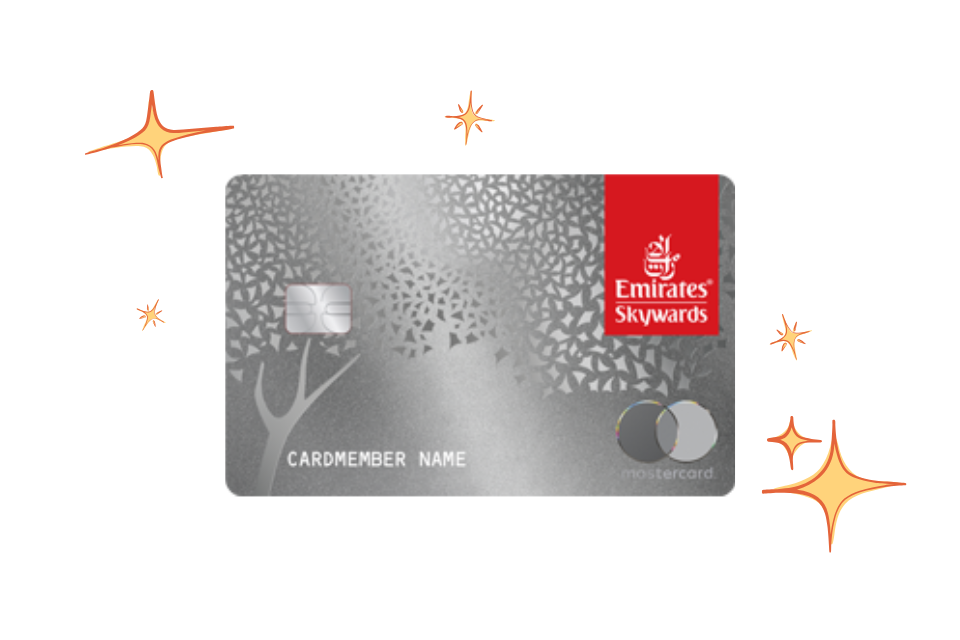
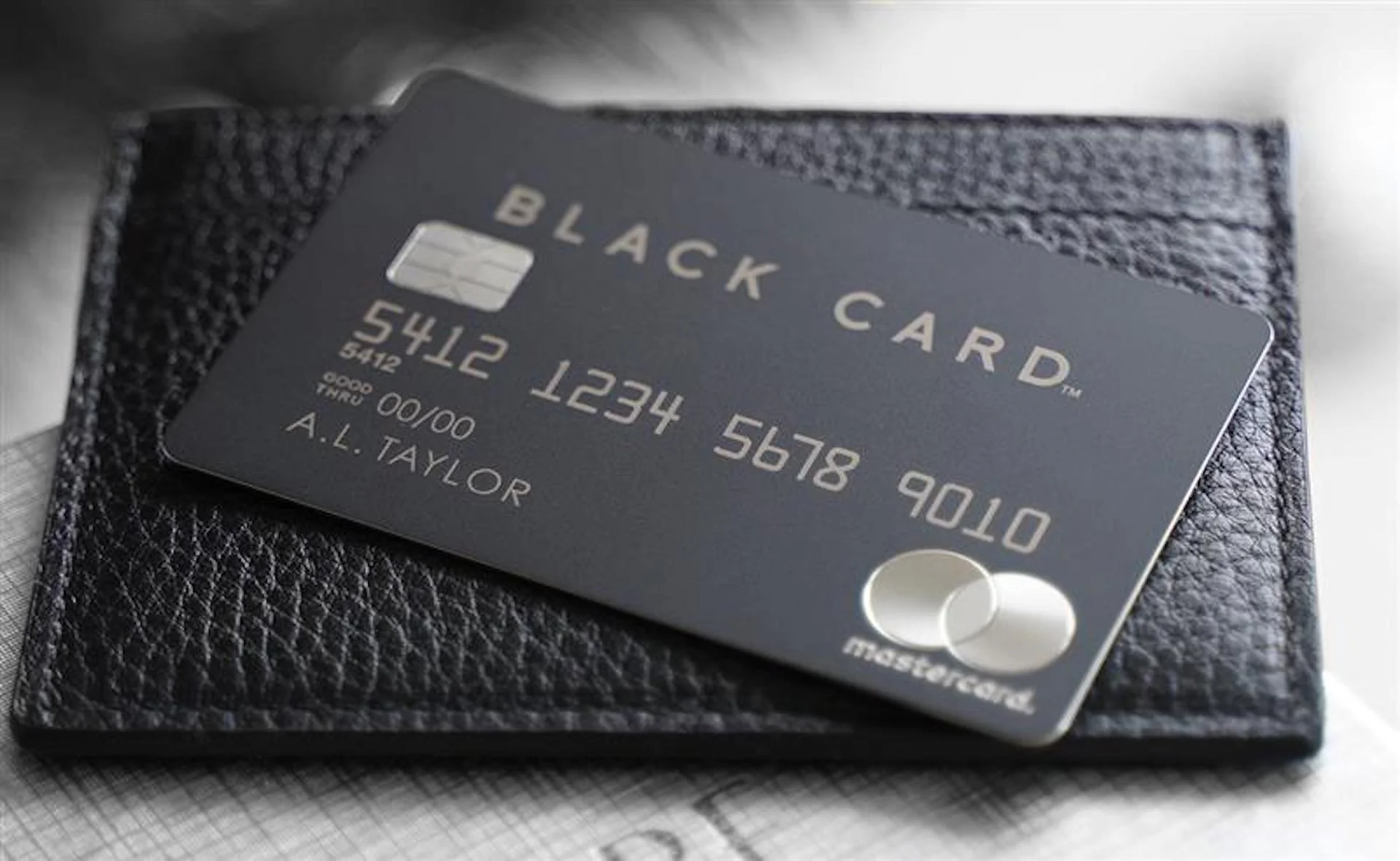
EMV chips, which stands for Europay, MasterCard, and Visa, are small processors embedded in most credit cards today. These chips generate a unique transaction code each time a purchase is made. Unlike traditional magnetic stripe cards, which can be easily cloned by fraudsters, EMV cards create a dynamic, one-time code that is nearly impossible to replicate. This dramatic improvement in security has helped significantly reduce fraudulent chargebacks in countries where the technology is widely adopted.
Contactless Payments: A Convenient Option
Contactless payments have transformed the buying experience, allowing consumers to simply tap their cards or smartphones on a reader to complete a transaction. This technology relies on encryption, ensuring that data transmitted between the card and the payment terminal is secure. A great example is the use of NFC (Near Field Communication) for transactions, which authenticates the transaction without the need to swipe or enter a PIN for small purchases. As a bonus, contactless payments can often reduce waiting times in checkout lines, making shopping more efficient.
Mobile Wallets: The Future of Payment Security
Mobile wallets, such as Apple Pay and Google Wallet, have heralded a new era in payment security. When you use a mobile wallet, your actual card number is never shared during the transaction. Instead, these services employ a method called tokenization, which replaces sensitive information with a unique token for each transaction. This means that even if a hacker intercepts the transaction data, they cannot use it to access your card details. Additionally, mobile wallets often require biometric authentication, such as facial recognition or fingerprints, providing an additional security layer.
As we witness the rapid evolution of technology, it’s crucial to remain vigilant about emerging threats. Keeping yourself informed about the latest security measures is essential for every credit card user. The innovations discussed not only aim to bolster the safety of our financial data but also to simplify our shopping experiences, making them faster and more convenient.
By understanding these advancements, you can confidently navigate the digital payment landscape and enjoy the peace of mind that comes with knowing your financial transactions are protected.
DISCOVER MORE: Click here to learn about leveraging social media for e-commerce success</p
Emerging Technologies Enhancing Credit Card Security
As the payments landscape continues to evolve, new technologies are being developed to protect credit card transactions. Consumers today have access to a variety of innovations that enhance security and increase confidence in digital payment methods. Let’s explore some of these technologies that are redefining the way we use our credit cards.
Biometric Authentication: Security at Your Fingertips
Biometric authentication is rapidly becoming a standard feature in the realm of payment security. This technology uses unique physical characteristics—such as fingerprints, facial recognition, or retinal scans—to verify a user’s identity before transactions can be executed. For instance, when you use your fingerprint to unlock your smartphone or approve a payment with Apple Pay or Google Pay, you’re leveraging biometric verification.
The advantage of biometric authentication lies in its difficulty to replicate. Unlike passwords or PINs, which can be shared or stolen, biometric data is inherently tied to you. This added layer of security is particularly valuable in preventing unauthorized transactions and enhancing consumer trust in digital payments.
Fraud Detection Algorithms: AI in Action
Artificial intelligence (AI) is playing a crucial role in combating credit card fraud. Financial institutions are employing sophisticated fraud detection algorithms that analyze transaction patterns and identify anomalies in real-time. For example, if a consumer in New York suddenly makes a purchase in another country without prior notice, the algorithm can flag this activity as suspicious and either prevent the transaction or alert the cardholder.
These AI-driven systems learn from vast amounts of data, improving their accuracy over time. They commonly deploy machine learning techniques that take into account various factors, including:
- Transaction location
- Time of purchase
- Historical spending patterns
- Device used for the transaction
This advancement in security helps protect consumers from fraudulent activities that can drain their bank accounts or damage their credit scores.
Blockchain Technology: Reinventing Transaction Security
Blockchain technology is another emerging innovation aiming to enhance the security of financial transactions. Originally developed for cryptocurrencies like Bitcoin, blockchain’s decentralized ledger system allows for secure and transparent record-keeping. Each transaction is stored in a ‘block’ and linked to the previous one, creating an immutable chain that is nearly impossible to alter without detection.
In the context of credit cards, blockchain can significantly improve security by providing a transparent, tamper-proof record of transactions. This means that any attempt to manipulate transaction data can be easily identified, thus preventing fraud. Furthermore, as more credit card companies explore blockchain, consumers may soon benefit from faster processing times due to the technology’s ability to eliminate intermediaries.
In conclusion, as we embrace these innovative technologies, it’s crucial to stay informed and aware of how they can shape our credit card usage. The evolving landscape of financial security not only makes transactions safer but also enhances the overall shopping experience for consumers.
DON’T MISS: Click here to learn more about mental health in remote work
The Rise of Contactless Payments and Security Features
The rise of contactless payments is shifting how consumers make purchases while introducing exciting security measures. As many consumers prefer tapping their credit card or smartphone rather than swiping or inserting, this method has gained traction in recent years. With contactless technology, consumers can make quick transactions by merely holding their card or device near a point-of-sale terminal equipped with Near Field Communication (NFC) technology.
Contactless payments not only offer convenience but also include built-in security features. These transactions use dynamic tokens instead of transmitting actual credit card details with every purchase. The token is a one-time code generated during the transaction, making it extremely difficult for fraudsters to intercept and utilize. If an unauthorized person attempts to use the token, it will be invalid, safeguarding financial information through multi-layered security protocols.
Encryption Technologies: Safeguarding Data
Another crucial innovation in credit card security is encryption technology. Encryption involves converting sensitive information into a code that can only be deciphered by an authorized party. This means that even if a hacker succeeds in intercepting the data during transmission, they will find only encoded information that is useless without the corresponding decryption key.
For instance, Secure Socket Layer (SSL) certificates and Transport Layer Security (TLS) protocols provide secure communication between the user, the merchant, and a bank’s server. Whenever credit card details are entered on a website, these encryption measures are activated to protect the data from potential threats. As a result, consumers can shop online with greater peace of mind, knowing that their information is better shielded from unauthorized access.
Mobile Wallets: A Secure Digital Alternative
Mobile wallets like Apple Pay, Google Pay, and Samsung Pay are rapidly becoming preferred methods of payment, particularly among younger consumers. These digital wallets utilize several security technologies to safeguard credit card information. Instead of directly storing credit card numbers, mobile wallets make use of virtual account numbers, which act as intermediaries and shield the actual credit card data.
When users make a purchase, their mobile wallet sends the seller a unique one-time code that corresponds to their credit card rather than the card’s number, adding a protective layer against fraud. Additionally, most mobile wallets require biometric verification or device passcodes, further enhancing security. This approach not only protects against theft but also offers users a convenient way to make transactions from their smartphones.
Regulatory Standards: Keeping Security in Check
As technology advances, regulatory standards have also evolved to ensure credit card security remains stringent. The Payment Card Industry Data Security Standard (PCI DSS) outlines mandatory security measures that businesses must implement to protect cardholder data. These standards cover everything from secure storage of customer information to regular security testing and audits. Compliance with PCI DSS can significantly reduce the risk of data breaches and instills confidence in consumers regarding their credit card safety.
By adhering to these measures, businesses demonstrate their commitment to protecting consumer information and fostering a secure transaction environment. In turn, this reliability encourages customers to embrace new payment options confidently, knowing that their financial security is a top priority.
DISCOVER MORE: Click here to dive deeper
Conclusion
In conclusion, the landscape of credit card transactions is undergoing a significant transformation thanks to modern innovations in security technology. As consumers increasingly turn to contactless payments, encryption technologies, and mobile wallets, they benefit from not only enhanced convenience but also robust measures designed to protect their financial information. The implementation of dynamic tokens during contactless transactions ensures that sensitive data is not easily intercepted, while advanced encryption practices, such as SSL and TLS, build a secure environment for online shopping.
Mobile wallets exemplify a secure digital alternative, cleverly using virtual account numbers and additional biometric verifications to wield not just efficiency but also assurance to users. This shift fosters a sense of security as customers navigate an increasingly digital marketplace. Furthermore, adherence to the Payment Card Industry Data Security Standard (PCI DSS) reinforces the industry’s commitment to safeguarding user data and builds trust between consumers and businesses.
As technology continues to evolve, we can expect even more innovative solutions in credit card security that prioritize user safety. This ongoing progress urges consumers to embrace new payment methods, confident in the knowledge that their financial security is paramount. In this fast-paced environment, staying informed about these advancements will empower consumers to make educated decisions, ensuring a secure and seamless payment experience in the future.

Linda Carter
Linda Carter is a writer and fashion content specialist who focuses on Shein, online shopping trends, and style discoveries. With extensive experience helping readers explore affordable fashion, understand shopping tips, and make smarter purchase decisions, Linda shares her insights on our platform. Her goal is to empower readers with practical advice and useful strategies to navigate Shein’s offers, discover new trends, and enjoy a more confident and informed shopping experience.