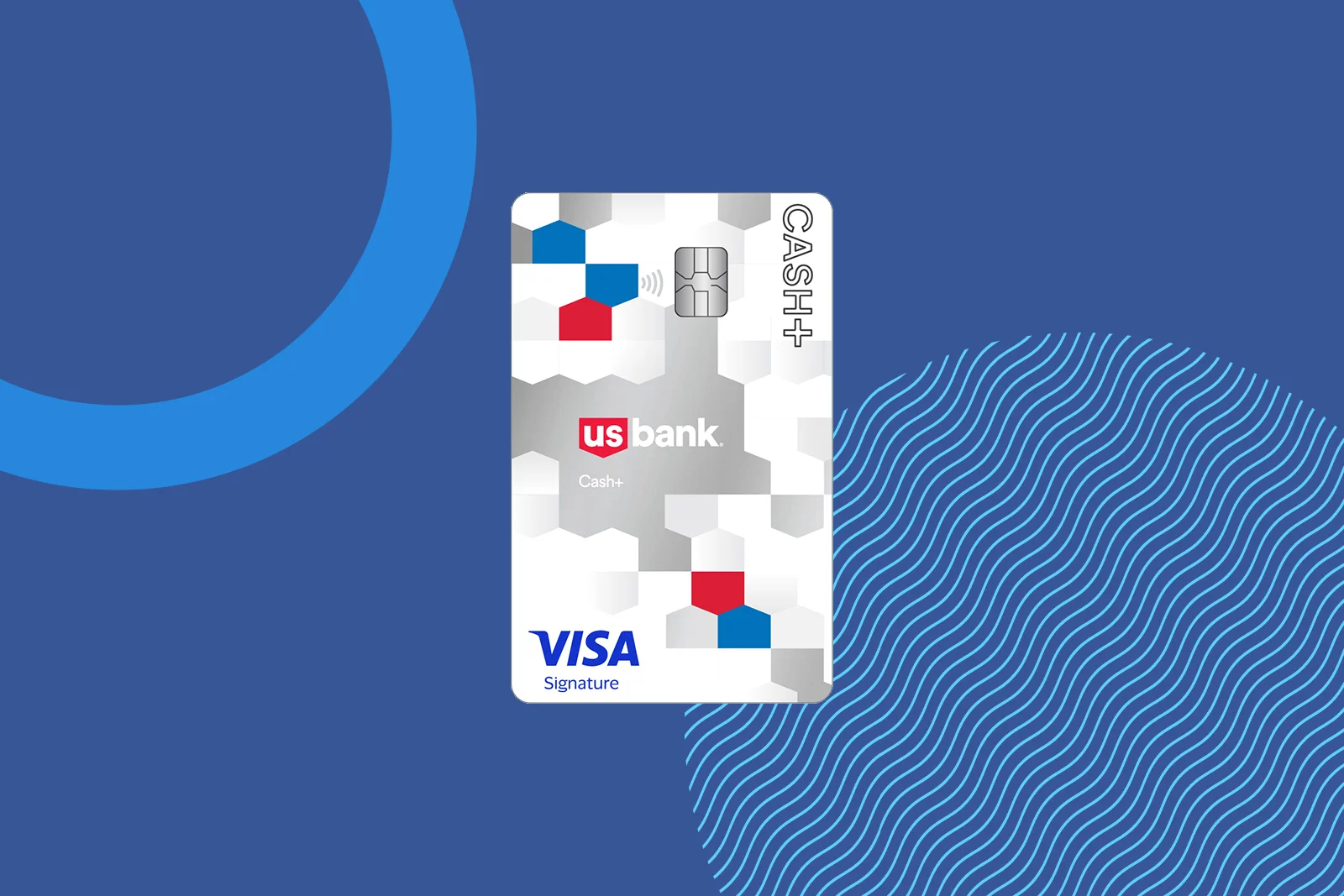
The Credit Card Revolution: How Fintechs Are Transforming the Financial Market
The Impact of Fintech on Credit Card Services
The financial landscape is experiencing a major shift thanks to the rise of fintech companies. These innovative firms are redefining how we interact with credit cards and other financial services, making them more accessible and user-friendly. Let’s explore how this revolution is taking place.
Enhanced Technology
One of the fundamental ways fintechs are transforming credit cards is through enhanced technology. For instance, many fintech companies use advanced algorithms and machine learning models to analyze transaction data. This sophisticated technology enables them to offer features like real-time alerts for unusual spending or instant spending limits adjustments. For example, a fintech app might notify a user immediately if a large transaction is detected outside their typical spending patterns, thus helping to combat fraud.
User-Centric Designs
Fintechs prioritize user-centric designs in their applications and websites, simplifying navigation and improving the overall user experience. Traditional banking apps can often be cumbersome and complicated, where finding information about fees or account balances becomes a frustrating ordeal. In contrast, platforms like Chime or Cash App present clear interfaces where users can easily access their financial information, apply for credit cards, or manage their expenses with just a few clicks. This intuitive design encourages more people to engage with their finances actively.
Personalized Services
Another striking aspect of this fintech revolution is the provision of personalized services. By analyzing individual spending habits, fintechs can offer customized rewards that genuinely resonate with the user. For instance, if data indicates a consumer frequently dines out, the credit card offered might include rewards like 5% cash back at restaurants or partnerships with popular dining apps. This tailored approach not only enhances customer satisfaction but also increases the likelihood that users will utilize their credit cards more often.
Benefits for Consumers
Moreover, the competition among traditional banks and newer fintechs is leading to better offers for consumers. We see credit cards with:
- Higher Rewards: More points for travel, cash back, and other benefits, giving consumers a reason to choose one card over another.
- Lower Fees: Many fintechs waive annual fees, making credit cards more affordable. Companies like Discover and Capital One have zero annual fee options that enhance their appeal.
- Instant Approval: Quick decision-making processes allow for immediate access to credit. This is particularly helpful for individuals needing fast access to funds, such as for unexpected expenses.
Conclusion
This shift not only benefits consumers but also forces established banks to innovate and improve their offerings. The credit card revolution is about more than just technology; it’s about empowering individuals to take control of their finances like never before. As fintech continues to thrive, it is essential for consumers to remain informed and engaged to take advantage of these exciting developments.
DISCOVER MORE: Click here for the ultimate guide
Shifting Paradigms in Credit Access
As fintech companies emerge as formidable players in the financial sector, they are radically reshaping the way consumers access credit. Traditional banking institutions have long operated under rigid criteria that can be challenging for many borrowers, particularly those who are new to credit or fall within non-traditional demographics. Fintech firms, on the other hand, are pivoting towards a more inclusive model.
Alternative Credit Scoring Models
This inclusiveness largely stems from the adoption of alternative credit scoring models. Unlike conventional systems that solely rely on credit history and FICO scores, fintechs leverage a more holistic approach. They analyze a variety of data points, including payment histories for utilities, rent, and even mobile phone bills. This innovation helps individuals with thin credit files, like young consumers or immigrants, gain access to credit products they never thought possible.
Quick and Seamless Application Processes
The fintech revolution also emphasizes quick and seamless application processes. Traditional banks often involve lengthy paperwork and waiting times, which can deter many prospective borrowers. In contrast, fintech platforms typically allow users to complete applications within minutes using mobile devices. Information fills in automatically from linked bank accounts or identity verification systems, making the process straightforward. For example, a busy young professional might receive approval within a few hours, empowering them to use their credit card for an unexpected home repair.
Accessibility Beyond the Norm
Moreover, fintechs are enhancing accessibility for credit card users through unique mobile-first solutions. Many people in the United States now carry smartphones that outnumber bank branches, making mobile apps an ideal platform for managing financial activities. Companies like Petal have designed their services specifically for smartphone users, ensuring that credit management is just a few taps away. These applications are often equipped with budgeting tools, enriching the experience and helping users understand their financial behavior better.
The Future of Credit Cards and Consumer Choice
The evolving landscape of credit cards is also influencing consumer choices. As fintech firms compete with traditional financial institutions, not only are they enhancing the features of credit cards, but they are also advocating for a more transparent financial environment. The result is a growing consumer awareness about the market, meaning customers are now more informed than ever when it comes to comparing credit offers. Consumers benefit from:
- Increased Transparency: Easier access to information about rates, terms, and fees allows consumers to make well-informed decisions.
- Innovative Features: Unique offerings such as early payment notifications and spending analytics tools enhance user engagement and promote responsible spending.
- Greater Competition: The influx of fintechs in the credit card market encourages traditional banks to adapt, innovate, and often lower fees to maintain their customer base.
The digital evolution doesn’t just signal a shift in technology; it represents a paradigm shift where individuals regain control over their financial destiny. With fintech at the forefront, navigating credit has become more intuitive and accessible, setting the stage for the future of personal finance.
DISCOVER MORE: Click here to delve into classic car investments
Innovating Rewards and Loyalty Programs
In addition to broadening access to credit, fintechs are redefining the concept of rewards and loyalty programs associated with credit cards. Traditional banks often relied on standard reward systems that offered points for purchases, which could be limited in practicality. Fintech companies, however, are introducing dynamic and personalized rewards options that align more closely with consumer preferences.
Tailored Rewards
Many fintech credit cards now come with tailored rewards that reflect individual spending habits. For instance, a user who frequently dines out may receive higher rewards for restaurant purchases compared to general shopping. Companies such as Chime and SoFi are implementing algorithms that analyze transaction history, enabling them to offer customized incentives that resonate with their cardholders.
Cashback Offers
Cashback programs have also evolved significantly. Unlike conventional credit cards that might offer a flat rate or limited categories, fintechs are introducing enhanced cashback options. Users might see up to 5% cashback on select categories that rotate monthly, allowing for greater rewards during peak spending times. For example, a heavy grocery shopper could earn substantial cashback during the months when grocery stores feature boosted categories, enhancing the value of everyday purchases.
Real-Time Reward Redemption
Another transformative feature is real-time reward redemption. Fintechs are eliminating the delays associated with traditional reward systems. When a consumer earns points, they can instantly apply them to their purchases or redeem them for gifts, travel, or even cash. This immediacy encourages consumers to remain engaged with their financial institutions, creating a more interactive and satisfying experience.
Enhanced Security Features
As fintechs innovate in credit access and rewards, they are also placing a strong emphasis on security features to protect consumers. Credit card fraud is a major concern for users, and fintech companies are integrating advanced technologies to foster a safe banking environment.
Real-Time Alerts and Monitoring
Many fintech platforms offer real-time alerts and transaction monitoring. Users are notified immediately of any suspicious activity or transactions, which allows for quick action to be taken if fraud occurs. This proactive approach mitigates risk and provides peace of mind for consumers. For example, if a user has a transaction that seems out of their spending pattern, they can be alerted instantaneously via their mobile app.
Adaptive Security Technologies
Additionally, fintech companies are leveraging adaptive security technologies such as biometric authentication and machine learning. Fingerprint or facial recognition ensures that even if someone obtains a card, they cannot easily access the account. Moreover, machine learning algorithms analyze transaction patterns to flag anomalies, adding an extra layer of protection. This means consumers can feel secure knowing their information is constantly monitored and protected against fraud.
Financial Literacy and Empowerment
Lastly, fintechs are significantly contributing to financial literacy and consumer empowerment. Many platforms offer not just credit cards but also educational resources that help users understand their finances better. From budgeting tools embedded in the applications to personalized financial tips based on spending habits, fintechs are ensuring that their customers not only use credit wisely but also improve their overall financial health.
With accessible educational resources, consumers from all walks of life can gain the necessary skills to manage credit responsibly, ultimately creating a more financially literate population.
DIVE DEEPER: Click here to learn more
Conclusion
In conclusion, the credit card revolution driven by fintech companies is reshaping the financial landscape in profound ways. Through their innovative approaches, these companies are not only increasing access to credit for a wider audience but are also enhancing the overall user experience with personalized rewards and robust security features. The emphasis on tailored rewards allows consumers to benefit more from their spending habits, while real-time redemption options make it easy and rewarding to engage with their financial products.
Moreover, as fraud remains a prevalent concern, fintechs are prioritizing security by integrating technologies that provide immediate alerts and adaptive security measures. This instills confidence among consumers, allowing them to use their credit cards with peace of mind. On top of this, fintechs are playing a crucial role in improving financial literacy by equipping users with the tools necessary to manage their finances effectively. Through educational resources and budgeting tools, these platforms help create a more informed consumer base capable of making sound financial decisions.
As we move forward, the continued evolution of fintechs is likely to bring even more innovations to the forefront of the credit card industry. With an emphasis on user engagement, security, and financial empowerment, it’s clear that this transformation is set to benefit consumers significantly, paving the way for a more inclusive and dynamic financial market. The credit card revolution is not just about shiny new features; it is about empowering individuals to take control of their financial futures.

Linda Carter
Linda Carter is a writer and fashion content specialist who focuses on Shein, online shopping trends, and style discoveries. With extensive experience helping readers explore affordable fashion, understand shopping tips, and make smarter purchase decisions, Linda shares her insights on our platform. Her goal is to empower readers with practical advice and useful strategies to navigate Shein’s offers, discover new trends, and enjoy a more confident and informed shopping experience.