
Analysis of Investment Trends in Fashion: How Consumer Behavior Affects the Clothing Market
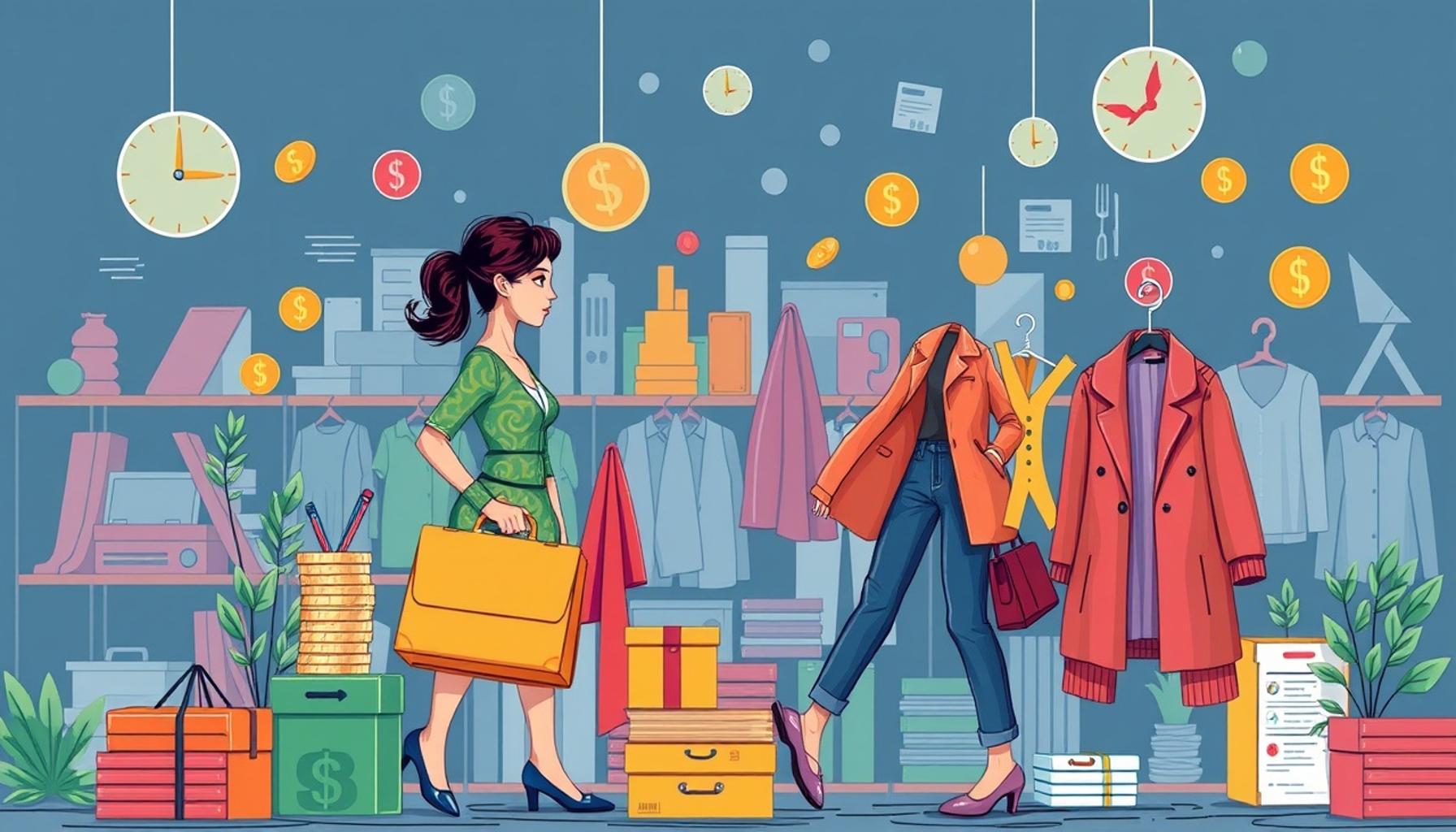
Understanding Investment Trends in Fashion
Investment trends in the fashion industry are influenced by various factors, with consumer behavior being one of the most significant. As trends evolve, so do the preferences and purchasing habits of consumers, which directly impact the clothing market. Understanding these shifts is crucial for investors, retailers, and brands to thrive in a constantly changing landscape.
To grasp the dynamics of these trends, consider the following key aspects:
- Shifts in Consumer Preferences: In recent years, the rise of sustainable fashion and ethical brands has showcased a profound shift in priorities among consumers. For example, brands like Patagonia and Everlane emphasize transparency in their supply chains and use eco-friendly materials. American shoppers are increasingly seeking out these eco-conscious options, leading investors to redirect funding toward companies that practice sustainability. This transition shows that consumers are not just looking for fashionable pieces; they want to buy from brands that align with their values.
- Digital Influence: Social media platforms such as Instagram and TikTok have become powerful tools in shaping trendy purchases. Influencers and celebrities often showcase the latest styles, driving immense traffic to specific brands and collections. For instance, when a popular influencer wears a specific outfit, followers are likely to seek similar items. Brands that leverage these platforms effectively can reach a wider audience and increase their market share significantly. Moreover, online shopping experiences have become more interactive and personalized, fostering deeper connections between consumers and brands.
- Economic Factors: Economic conditions, such as inflation rates and disposable income levels, play a crucial role in shaping spending patterns on clothing. During economic downturns, consumers may prioritize essential purchases, seeking affordable fast fashion from retailers like H&M or Old Navy. Conversely, in a robust economy, customers might invest in higher-end, luxury items from brands such as Gucci or Prada. Understanding these economic indicators helps investors determine the right timing and type of investments in the fashion sector.
By analyzing these elements, we can better understand how investment strategies in fashion are being developed. Stakeholders, from investors to retailers, must adapt to these changes to remain relevant. For instance, adapting inventory to reflect consumer interest in sustainable materials can lead to increased sales and market relevance, as seen with brands like Reformation and Rothy’s.
Ultimately, the clothing market reflects broader societal trends, revealing much about consumer values and economic conditions. This analysis underscores the importance of recognizing shifts in consumer behavior, the power of digital marketing, and the impact of economic fluctuations on fashion investments. By keeping a close eye on these driving factors, industry players can position themselves successfully for future growth and innovation in the fashion landscape.
DISCOVER MORE: Click here to delve deeper
Consumer Behavior and its Impact on Fashion Investments
Understanding consumer behavior is pivotal for anyone looking to navigate the investment trends within the fashion industry. As consumers become more vocal and discerning about their purchasing choices, brands and investors must adapt to remain competitive in the marketplace. By examining consumer behavior, several important aspects surface that influence investment decisions.
1. Demand for Personalization
Today’s consumers are not only looking for a great product; they desire an experience tailored to their individual preferences. This trend has sparked a demand for personalization in fashion, influencing brands to offer customized options and unique styles. For example, companies like Nike and Converse allow customers to design their own sneakers, appealing to the desire for individuality. This innovative approach not only enhances customer engagement but also increases brand loyalty, attracting investors keen on companies that can capture and retain consumer interest.
2. The Rise of Conscious Consumerism
With a growing awareness of environmental and social issues, consumer values are shifting towards sustainability and ethics in fashion. As mentioned previously, brands practicing transparency and sustainability are gaining traction. A clear indicator of this trend is the success of companies like Allbirds, which prides itself on using renewable materials and promoting eco-friendly practices. This pivot towards ethical consumption provides investors with an opportunity to support brands that resonate with the changing values of American shoppers.
3. The Shift Towards Direct-to-Consumer Models
The traditional retail landscape is evolving, with a marked shift towards direct-to-consumer (DTC) models. Consumers prefer purchasing directly from brands rather than through intermediaries, allowing brands to establish a more authentic connection with their audience. DTC companies, such as Warby Parker and Glossier, have been able to create a loyal customer base, eliminating extra costs associated with brick-and-mortar stores. This evolution presents an opportunity for investors; supporting DTC brands not only means investing in companies with lower overhead but also those that can quickly respond to consumer feedback and market demands.
4. Impact of Social Consciousness on Spending
Societal issues, such as racial equality and inclusivity, have increasingly become deciding factors for consumers when making fashion purchases. Brands that prioritize social consciousness are seeing enhanced loyalty and support from consumers. For instance, companies like Fenty Beauty, which emphasizes diversity in its product line, have experienced significant growth, affirming that social responsibility will play a crucial role in shaping consumer behavior. Investors need to consider brands that actively engage with social issues, as they provide not just financial returns but also contribute positively to societal change.
In summary, the connection between consumer behavior and investment trends is profound. With consumers prioritizing personalization, sustainability, direct access to brands, and companies that embrace social issues, investors have the opportunity to harness these trends. By paying close attention to these behaviors, stakeholders can align their investment strategies to capture the evolving desires of the market and ensure a successful future in the fashion industry.
DISCOVER MORE: Click here to learn how advertising shapes consumer views
Emerging Technologies and Consumer Influence in Fashion
As the fashion industry evolves, the integration of technology into consumer experiences is playing an increasingly significant role. Consumers are not only influenced by trends but also by the technology available to enhance their shopping experiences. Understanding how emerging technologies meld with consumer behavior provides valuable insight into current investment trends.
1. The Influence of E-commerce Growth
E-commerce has transformed the fashion industry, enabling consumers to shop from the comfort of their homes. The pandemic accelerated this trend, with online sales rising dramatically. According to recent data, online fashion sales in the United States surged by over 30% during this period. Brands that optimized their e-commerce platforms, like ASOS and Zara, seamlessly adapted to consumer preferences and expanded their market reach. Investors who recognize the potential of e-commerce platforms can capitalize on the growth surrounding digital retailing by targeting companies with strengthened online strategies and robust technological infrastructures.
2. Virtual Reality (VR) and Augmented Reality (AR) in Shopping
The incorporation of virtual and augmented reality into the shopping experience has garnered significant attention in recent years. Technologies like AR allow customers to visualize how clothing looks on their bodies before making a purchase. Brands such as Amazon and Forever 21 are exploring AR applications to enhance consumer interaction and reduce return rates. As consumers become more comfortable with immersive shopping experiences, investors should consider backing companies that prioritize technological advancements in their consumer engagement efforts. By investing in these innovations, stakeholders can tap into the growing expectation for tech-driven shopping experiences.
3. The Role of Social Media in Shaping Trends
Social media has not only become a platform for marketing but also a significant driver of consumer purchasing behavior. Influencers and user-generated content have the power to shape trends overnight. Brands that leverage social media effectively can amplify their reach and create buzz around new collections. For example, the launch of a new sneaker by Adidas can go viral on platforms like Instagram or TikTok simply by engaging influencers or creating eye-catching content. Investors should focus on companies that adopt strategic social media marketing, as this can lead to rapid consumer engagement and sales growth, reflecting a solid investment opportunity.
4. Subscription Models and Consumer Loyalty
Subscription services have exploded in popularity, reshaping how consumers acquire clothing. Companies like Stitch Fix and Rent the Runway provide curated fashion experiences based on individual preferences, promoting customer loyalty. This model offers convenience and an element of surprise, which appeals to many shoppers. As subscription fashion models continue to gain traction, investors should emphasize brands that are innovating in this space. Not only do these models create consistent revenue streams, but they also foster deeper connections with consumers, enhancing brand loyalty and future growth.
In an environment where technology and consumer desires are rapidly evolving, investors must remain agile and informed. By understanding how e-commerce growth, immersive technologies, social media influence, and subscription services are shaping the fashion landscape, stakeholders can make strategic decisions that align with contemporary consumer behavior, ultimately positioning themselves for success in this dynamic market.
DISCOVER MORE: Click here for insights on style trends
Conclusion
In conclusion, the intersection of consumer behavior and technology is reshaping the investment landscape in the fashion industry. As consumers increasingly favor online shopping and immersive experiences, it is imperative for investors to stay attuned to these shifts. The surge in e-commerce, coupled with the rising interest in virtual and augmented reality, presents lucrative opportunities for brands that harness these technologies effectively.
The influence of social media cannot be overlooked; it serves as a powerful tool for driving trends and consumer engagement. Companies that successfully leverage influencer marketing and user-generated content can achieve significant market visibility and attract a wider audience. This changing dynamic underscores the importance of strategic marketing initiatives in capturing consumer attention and enhancing brand loyalty.
Additionally, the growing popularity of subscription models reflects a shift towards personalized experiences, where consumers value convenience and tailored offerings. Brands catering to this trend not only benefit from consistent revenue streams but also cultivate deeper relationships with their customers.
Ultimately, investors should prioritize brands that embrace these evolving consumer preferences and integrate modern technologies into their operations. By doing so, they can position themselves favorably in a fast-paced and ever-changing market. As we look to the future, the adaptability of companies will determine their success, making it crucial for stakeholders to remain informed and responsive to the latest trends shaping the fashion industry.

Linda Carter
Linda Carter is a writer and fashion content specialist who focuses on Shein, online shopping trends, and style discoveries. With extensive experience helping readers explore affordable fashion, understand shopping tips, and make smarter purchase decisions, Linda shares her insights on our platform. Her goal is to empower readers with practical advice and useful strategies to navigate Shein’s offers, discover new trends, and enjoy a more confident and informed shopping experience.