Menu

The role of artificial intelligence in the automation of business data analysis

Artificial intelligence is revolutionizing business data analysis, enhancing efficiency, accuracy, and cost-effectiveness. By automating processes like data collection, cleaning, and visualization, AI enables organizations to derive actionable insights quickly. As companies embrace AI-driven predictive analytics, they can anticipate trends and personalize customer experiences, fostering informed decision-making and operational excellence.


AI and the Transformation of Supply Chains: Efficiency and Sustainability in the Logistics Sector

The logistics sector is transforming through AI, enhancing efficiency and sustainability. By optimizing routes, automating processes, and improving decision-making, companies can reduce operational costs and environmental impact. AI-driven solutions promote collaboration and proactive risk management, allowing businesses to achieve a more agile, responsible, and eco-friendly supply chain.

The Evolution of Omnichannel Shopping Experiences: Integrating Physical Stores and E-commerce to Maximize Sales

The integration of physical stores and e-commerce is transforming omnichannel shopping experiences, enabling retailers to enhance customer satisfaction and loyalty. By utilizing technology and data-driven insights, businesses can create a seamless shopping journey that maximizes sales and adapts to consumer preferences, ensuring a competitive edge in the retail market.

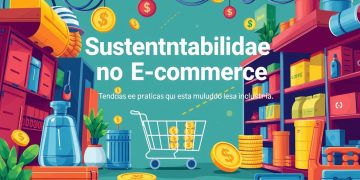
Sustainability in E-commerce: Trends and Practices That Are Changing the Industry

The rise of consumer demand for eco-friendly options is transforming e-commerce, necessitating sustainable practices such as eco-friendly packaging, energy-efficient shipping, and ethical sourcing. As brands embrace technology and collaboration, they not only enhance brand loyalty but also contribute to a sustainable future in the industry.

The Influence of Social Media on E-commerce Growth: Strategies that Convert Followers into Buyers

Social media significantly influences e-commerce growth by transforming follower engagement into sales. Effective strategies include dynamic content, influencer collaborations, targeted advertising, and personalized promotions. Building trust through transparency and consistent messaging further enhances brand loyalty, ensuring businesses thrive in the competitive online marketplace.

Credit Cards and Security: New Technologies to Protect Consumers in a Connected World

In an increasingly digital marketplace, protecting credit cards and financial transactions is crucial. Advances like biometric authentication and tokenization enhance security, ensuring safer online shopping experiences. Staying informed about these technologies empowers consumers to safeguard their sensitive information from fraud and theft effectively.

The Impact of Artificial Intelligence on E-commerce Growth: Personalization and Customer Experience

Artificial Intelligence is revolutionizing e-commerce by enhancing personalization and improving customer experience. From tailored recommendations and chatbots to dynamic pricing strategies, AI enables businesses to understand consumer behavior, streamline interactions, and foster loyalty. Embracing these technologies is essential for growth in a competitive online marketplace.

The Rise of Mobile E-commerce: How Smartphones Are Transforming Online Shopping

The surge in mobile e-commerce is revolutionizing online shopping by offering unparalleled convenience, personalized experiences, and user-friendly interfaces. Smartphones empower consumers to shop anytime, anywhere, while innovative payment options and enhanced engagement through notifications drive sales. However, security and user experience remain critical challenges for retailers.

The Role of Credit Cards in the Digital Economy: Adaptations and Challenges in Times of Change

Credit cards are integral to the digital economy, offering convenience and security for online transactions. As consumer preferences evolve toward mobile payments and flexible options, credit card companies face challenges like data security and regulatory compliance. Adapting to these changes is crucial for sustained growth and improved user experience.

Sustainable Credit Cards: The Rise of Eco-Friendly Options and Their Role in Purchasing Decisions

Consumers increasingly prioritize sustainable credit cards to align financial decisions with environmental values. These eco-friendly options feature benefits like carbon offset programs, rewards for responsible purchases, and materials sourced from recycled origins. As demand grows, these cards influence purchasing behavior, promoting a sustainable economy while fulfilling personal financial goals.