Automotive Fashion Trends: How Car Style Reflects Contemporary Fashion
The Intersection of Style and Function in Automotive Design
The relationship between the automotive industry and fashion is becoming ever more pronounced, leading to unique collaborations and innovative designs that excite consumers across the spectrum. As car manufacturers take cues from fashion trends, they are not only creating visually appealing vehicles but also elevating the entire driving experience. This convergence allows for a celebration of aesthetics and engineering, appealing to both car enthusiasts and style-conscious individuals.
Color Palettes
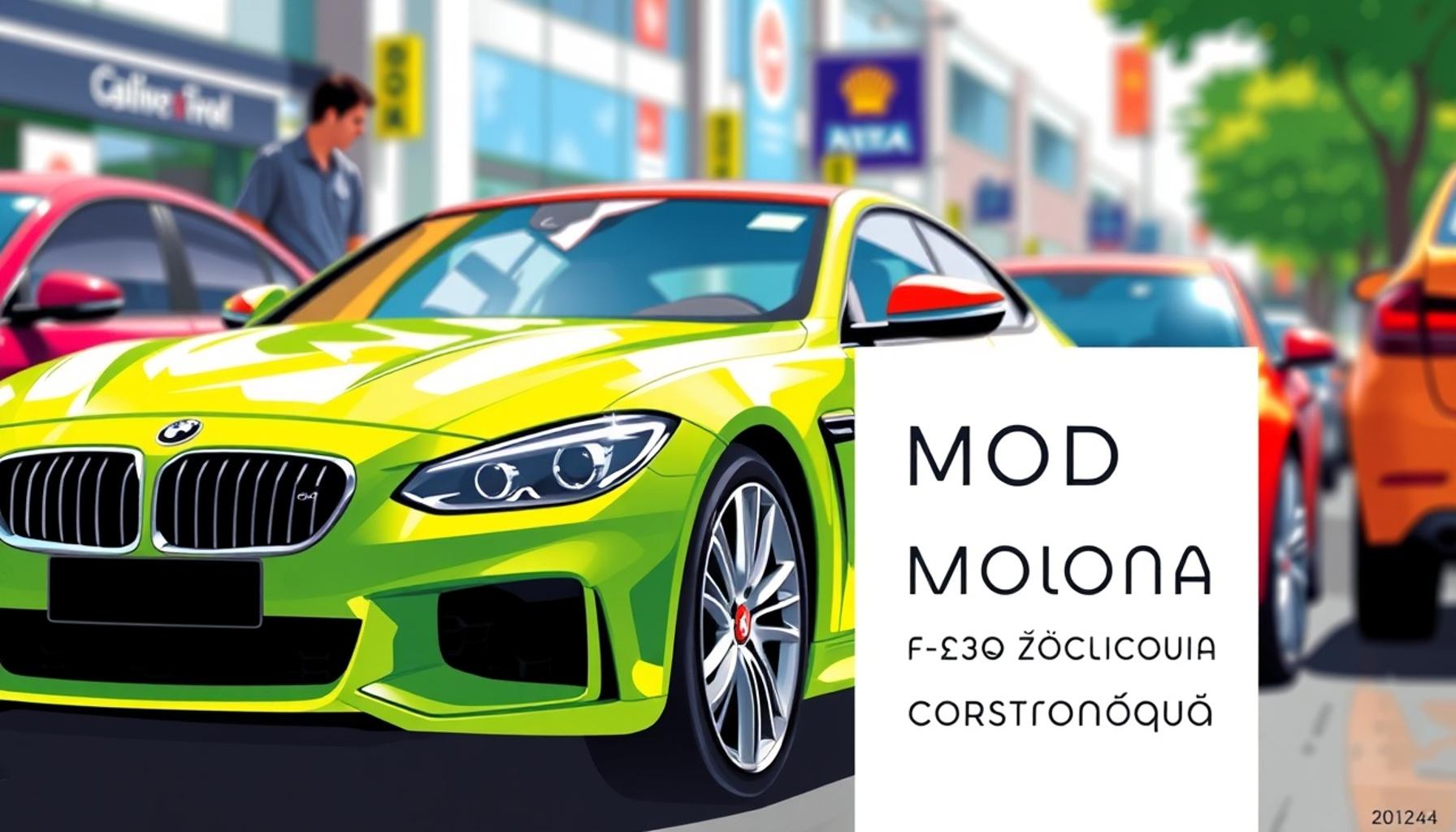
In the same manner that fashion designers unveil new color schemes each season, automotive brands are also adopting contemporary hues to resonate with current trends. Striking colors such as matte black, electric blue, and vibrant green are now commonplace on the streets, replacing the once-popular neutral tones of classic automobiles. For instance, the introduction of models like the Tesla Model Y in a glossy deep red highlights how manufacturers embrace bolder colors that catch the eye and reflect personal identity. This shift in color choices parallels trends seen in fashion runways, where vivid colors are utilized to express individuality and creativity.
Materials and Textures
The emphasis on high-quality materials in vehicles today mirrors the luxurious fabrics seen in the fashion world. Interior finishes often incorporate premium options such as supple leather, sustainable materials, and advanced composites that resemble the textures of high-end apparel. Take, for example, the use of Alcantara—a fabric commonly found in luxury sports cars that lends a soft touch reminiscent of fine clothing. Additionally, manufacturers are increasingly focusing on eco-friendly materials, akin to the rise of sustainable fashion, allowing environmentally-conscious consumers to make decisions that reflect their values while maintaining style.
Shapes and Silhouettes
The aerodynamic nature of modern automobiles can be likened to the tailored silhouettes that grace the latest fashion collections. Car designs are now meticulously crafted to not only improve performance but also to present chic and contemporary aesthetics. Vehicles like the sleek Porsche Taycan exemplify this by combining sporty lines with elegant curves, creating a stunning visual effect that appeals to both car lovers and style experts alike. Just as a well-fitted suit enhances a person’s figure, well-designed cars convey a sense of sophistication and attention to detail.
As the automotive industry continues to evolve with societal shifts and changing consumer preferences, it becomes clear that the influence of fashion trends extends well beyond clothing and accessories. The way we perceive style in vehicles is undoubtedly shaped by the vibrant and dynamic world of fashion. This burgeoning relationship is enriching the driving experience while reflecting the personal tastes of consumers who now see their vehicles as an extension of their unique style.
DIVE DEEPER: Click here to unlock expert tips
Trends in Automotive Design: A Reflection of Contemporary Fashion
As we delve deeper into the intersection between automotive design and contemporary fashion, the examination of stylistic elements reveals a myriad of trends showcasing the evolving tastes of consumers. Just like fashion designers draw inspiration from various cultures, eras, and artistic movements, automobile manufacturers are finding inspiration that leads to daring designs and innovative features that resonate with the contemporary car buyer.
Innovative Automotive Features
One notable trend is the integration of advanced technology and innovative features that enhance the user experience while maintaining a stylish flare. Popular enhancements such as digital displays and intuitive interfaces are akin to fashion tech, where smart fabrics and wearable technology are merging utility with style. Features like Apple CarPlay and Android Auto provide the perfect synergy between a driver’s lifestyle and their vehicle, paralleling the way modern clothing often integrates technology, such as fitness trackers hidden within stylish activewear.
Influence of Fashion Icons
Another significant factor shaping automotive trends is the influence of fashion icons and designers on vehicle customizations and collaborations. High-profile partnerships between fashion brands and automobile manufacturers have led to the creation of exclusive models or special editions that elevate a car’s chic status. For example, the partnership between Louis Vuitton and BMW showcased limited-edition cars that not only turned heads on the road but also became coveted collectibles, demonstrating how fashion influences desirability in the automotive world.
Luxurious Customizations
Moreover, luxury car brands are also drawing parallels from high fashion in their bespoke offerings. Consumers today are increasingly looking for personalized options that align with their unique tastes and style. Some manufacturers, like Rolls-Royce, have introduced programs allowing buyers to customize everything from interior materials to exterior colors, reflecting the same trend one sees in high-end fashion, where customers demand custom-tailored pieces. This personalization can include:
- Unique paint colors inspired by current fashion palettes
- Exclusive upholstery materials that evoke high-end textiles
- Special designs that emulate the artistic visions of influential designers
As we observe these trends, it becomes evident that the automotive industry is not simply about functionality and engineering; it is also witnessing an artistic renaissance that aligns with modern aesthetics favored in fashion. This merging of fashion and automotive design encompasses not only how vehicles look, but also how they make people feel. Cars are increasingly seen as an extension of one’s personality, similar to how individuals express themselves through their clothing choices. In this way, the lines between automotive design and fashion continue to blur, creating a thrilling landscape for consumers who cherish both innovation and style.
DISCOVER: Click here to learn more about influencer marketing strategies
The Intersection of Materials and Aesthetics
In today’s automotive landscape, there is an increasing emphasis on materials that reflect luxury and sustainability, mirroring the trends in the fashion industry. Just as fashion houses are utilizing eco-friendly fabrics, such as organic cotton and recycled materials, car manufacturers are adopting innovative and sustainable materials to appeal to the environmentally conscious consumer. The shift towards sustainability is not merely a trend; it’s a wave that has reshaped how brands approach production and design.
Sustainable Materials in Automotive Design
Materials like recycled plastics and vegan leather are being embraced by a range of automobile brands, signaling a new era of environmentally friendly transportation options. Notably, brands like Tesla and BMW have pioneered the use of these materials in their vehicles, setting a standard that not only enhances aesthetic appeal but also aligns with consumer values. The adoption of these sustainable materials resonates with fashion trends where sustainable practices are key, as seen in collections from designers like Stella McCartney, who champion eco-consciousness in her clothing lines.
Color Palettes Inspired by Fashion Trends
Furthermore, color trends in automotive design are notably influenced by the dynamic world of fashion. Car manufacturers are keeping a careful watch on annual color forecasts from renowned color experts and trend forecasters, akin to how fashion designers prepare their seasonal lines. Popular automotive colors such as pastels and earth tones mirror the same hues found on fashion runways, showcasing a direct relationship between the two fields. For instance, the popularity of metallic shades like “rose gold” in accessories and apparel has given rise to a similar trend in vehicle paint, giving cars a modern and chic look.
Seamless Integration of Comfort and Style
Moreover, the rise of luxurious interiors that marry functionality with style is another trend echoing contemporary fashion. Just as athleisure has shifted the boundaries of what is considered stylish activewear, the automotive industry is moving towards interiors that prioritize comfort without compromising on aesthetics. Designers are focusing on ergonomics and the use of high-end materials, such as soft-touch plastics and quilted leather, effectively bridging the gap between comfort and luxury. This parallels how fashion is evolving to include versatile clothing that can be worn in both casual and formal settings.
Collaboration with Lifestyle Brands
Additionally, strategic collaborations between automotive companies and lifestyle brands are reshaping consumer perceptions about cars. We are seeing automotive brands team up with high fashion labels to create unique products that extend the brand’s appeal beyond mere transportation. For instance, a limited-edition car model designed in collaboration with a streetwear brand not only attracts car enthusiasts but also captures the attention of fashion-savvy consumers. This fusion of lifestyle and automotive design exemplifies how interconnected these industries have become, promoting brand loyalty and expanding the consumer base.
As these layers of influence combine, it is clear that cars are no longer just machines; they are lifestyle statements, reflecting the tastes, values, and identities of their owners. This unique relationship between automotive design and contemporary fashion continues to pave the way for innovative possibilities, inviting consumers to embrace their vehicles as extensions of their personal style. The result is a vibrant and exciting evolution in automotive fashion trends that caters to a diverse clientele looking for both aesthetic charm and functional sophistication.
DIVE DEEPER: Click here to uncover the evolution of brand promotion
Conclusion
In summary, the relationship between automotive design and contemporary fashion is both profound and multifaceted, reflecting broader societal shifts toward sustainability, aesthetics, and lifestyle integration. As the automotive industry embraces sustainable materials and innovative design, it mirrors the fashion world’s commitment to eco-friendly practices. This convergence not only creates vehicles that are visually appealing but also aligns with the values of modern consumers who prioritize ethical consumption.
The influence of color palettes from the fashion industry has resulted in cars that resonate with current trends, making vehicles an extension of personal style. By adopting popular hues, manufacturers successfully attract a diverse audience looking to express their individuality through their choice of vehicle. Furthermore, the focus on luxurious interiors signifies a shift towards prioritizing comfort without sacrificing elegance, paralleling the evolving standards in contemporary fashion where versatility reigns supreme.
Finally, strategic collaborations between automotive and lifestyle brands pave the way for exciting new products that tap into the cultural zeitgeist, effectively bridging the gap between different spheres of consumer interest. This enriched landscape offers a fresh perspective on how we view vehicles—not merely as modes of transportation but as vibrant expressions of who we are and what we value. As we look to the future, it is evident that the synergy between automotive style and contemporary fashion will continue to evolve, making both industries more interconnected than ever before.