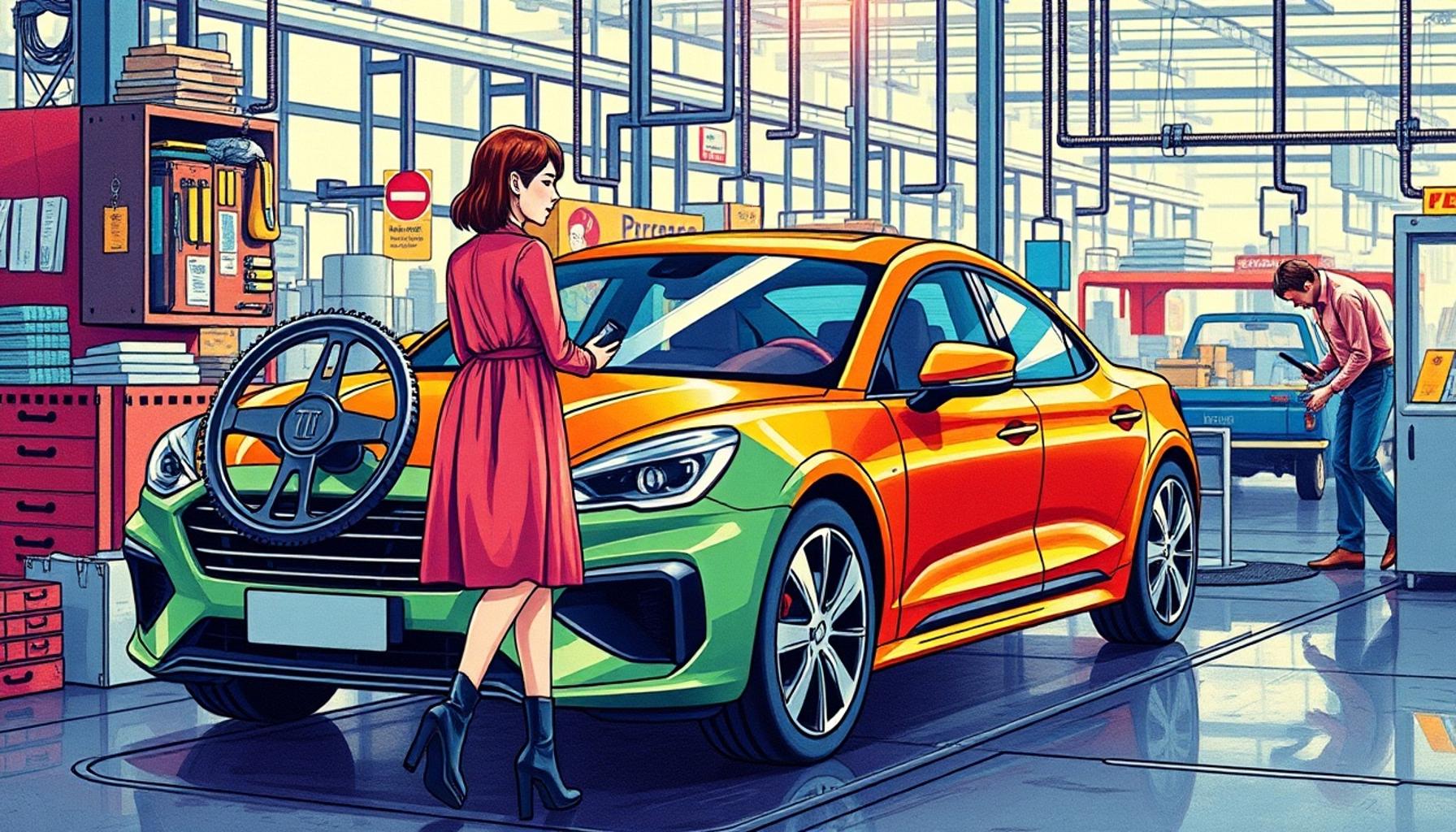
The Relationship Between Fashion Trends and the Growth of Electric Car Startups
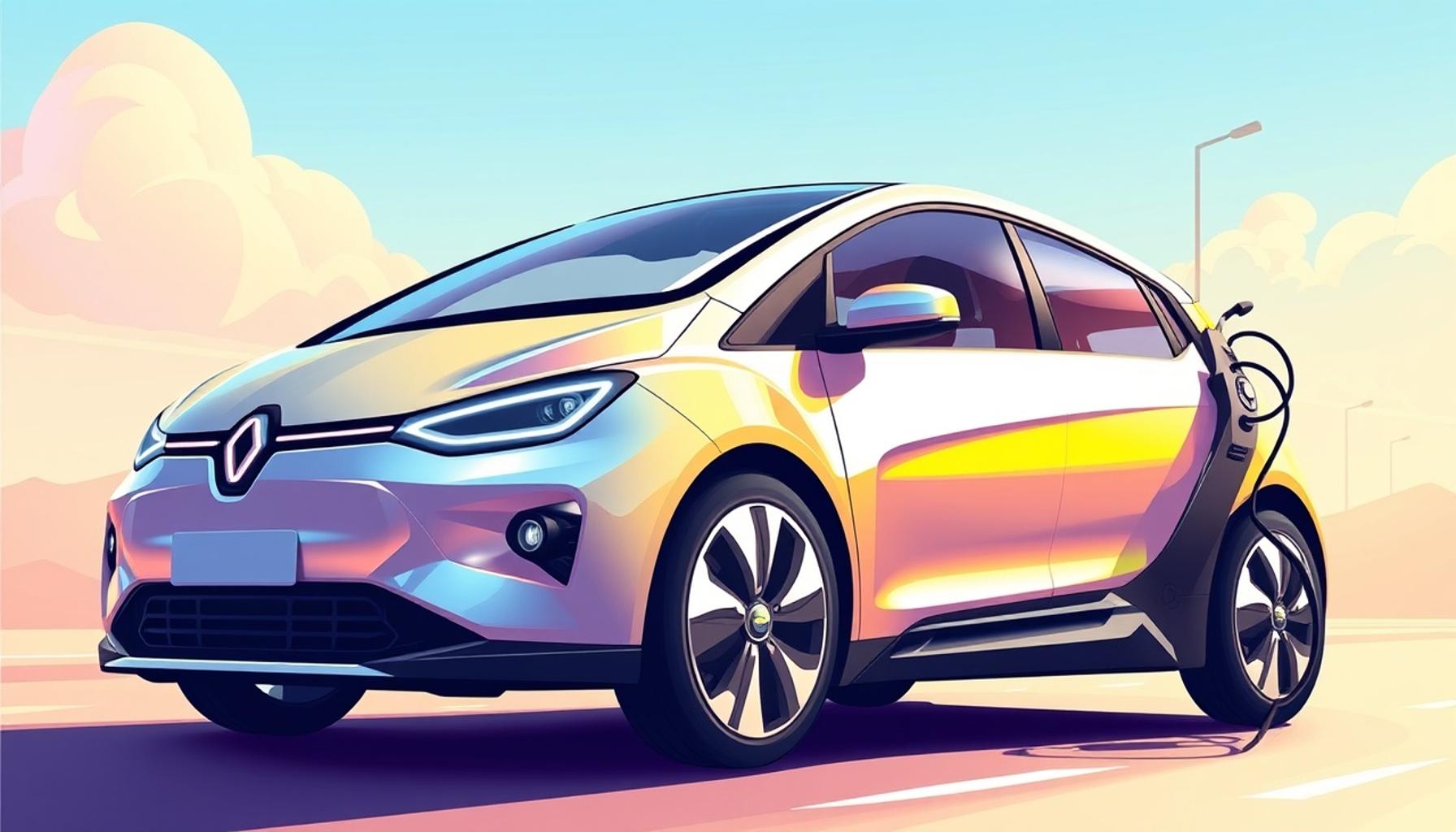
The Changing Face of Transportation
As our society becomes increasingly aware of climate change and the environmental impact of fossil fuels, a notable change is occurring in the transportation sector. Electric car startups are emerging as key players, not only in redefining how we think about driving but also in demonstrating the importance of sustainability. This movement goes beyond mere technology; it closely ties in with fashion trends that shape consumer preferences and behaviors.
The Influence of Celebrity Endorsements
One of the most powerful forces driving consumer interest in electric vehicles (EVs) is the impact of celebrity endorsements. High-profile figures, from actors like Leonardo DiCaprio to musicians like Billie Eilish, have taken to social media platforms to showcase their electric vehicles. Their influence can significantly sway public perception; when fans see their idols endorsing eco-friendly options, they are more likely to consider adopting similar lifestyles. This encourages a cultural narrative that elevates electric cars from mere transportation to a symbol of trendiness and eco-consciousness.
Eco-Friendly Materials in Fashion and Automotive Design
Another critical aspect of this intersection between fashion and electric vehicles is the focus on eco-friendly materials. Just as many clothing brands are now adopting sustainable fabrics such as organic cotton, hemp, and recycled materials, automotive companies are also prioritizing sustainability. For example, Tesla utilizes recycled metals in its manufacturing processes while others are exploring the use of biodegradable materials in vehicle interiors. This synergy between industries not only promotes environmental stewardship but also appeals to consumers who want to make informed purchasing decisions that reflect their personal values.
Design Aesthetics and Modern Appeal
The design aesthetics of electric cars also reflect contemporary fashion trends, serving as a magnet for younger consumers. The sleek, futuristic designs of electric cars align with the minimalist styles commonly seen in modern fashion. Brands like Lucid Motors and Rivian boast innovative designs that catch the eye of style-conscious buyers who may prioritize aesthetics as much as functionality. Electric vehicles are no longer seen as utilitarian; they are now fashionable accessories that signal a modern lifestyle.
In conclusion, the connection between style and sustainability has catalyzed the growth of electric car startups. By examining the role of celebrity influence, the use of eco-conscious materials, and appealing design trends, we can appreciate how these elements not only reflect a shift in consumer preferences but also shape the future of transportation. As the world leans towards a more sustainable future, the intertwining of fashion and electric vehicles illustrates a powerful movement towards a cleaner, greener planet.
DISCOVER MORE: Click here to learn about effective test drive experiences
Connecting Sustainability with Style
As consumers become more environmentally conscious, the overlap between fashion trends and the rise of electric car startups becomes increasingly evident. This connection often manifests in various dimensions, including consumer behavior, marketing strategies, and even product design. Understanding how these industries influence one another provides valuable insights into the evolution of both electric vehicles (EVs) and sustainable fashion.
The Role of Experiential Marketing
Experiential marketing has become a vital strategy for both the fashion and automotive sectors. Companies within these industries strive to create immersive experiences that resonate with consumers. For electric car startups, this means presenting their products not just as vehicles, but as a lifestyle choice. Events like eco-friendly fashion shows may feature electric cars, showcasing them as part of an innovative and sustainable lifestyle. This approach helps to bridge the gap between two seemingly different markets, drawing in a crowd that values both cutting-edge technology and ethical fashion.
Aligning Values with Consumer Choices
Today’s consumers are not just buying products; they are purchasing values and ideals. Many fashion brands now emphasize their commitment to sustainability, much like electric car startups aim to reduce carbon footprints. Here are a few key values that consumers seek when making their choices:
- Sustainability: Shoppers are increasingly looking for brands and products that demonstrate environmental responsibility.
- Transparency: Consumers want to know where their products come from and how they are made.
- Innovation: Buyers are drawn to the latest technology and trends that offer cutting-edge solutions.
- Community Engagement: Many consumers prefer brands that support local and global initiatives promoting the environment.
This alignment of values encourages individuals to consider electric vehicles as extensions of their ethical lifestyle choices. In a way, choosing an electric car can be seen as a fashion statement—thereby integrating personal style with personal values.
The Impact of Social Media and Digital Campaigns
The digital age has transformed the way products are marketed and consumed. Social media platforms, in particular, serve as dynamic environments where brands can showcase their ethos. Electric car startups leverage this capability to promote both their vehicles and a lifestyle aligned with modern values. This creates a sense of community among consumers who share similar aesthetics and principles. The success of viral marketing campaigns often hinges on aesthetics—rich visuals and compelling narratives play an important role in capturing audience attention.
As influencers and brands advocate for electric cars within their fashion narratives, it reinforces the concept that sustainability can be stylish. Together, they create a contemporary picture of what it means to lead a responsible and fashionable life.
In summary, the intersection of fashion and electric vehicles is a rapidly evolving landscape that reflects changing consumer preferences. As we delve deeper into this relationship, we will consider how these connections not only shape the market but also encourage a shift towards a more sustainable future. By examining the various influences ranging from experiential marketing to social media engagement, we can better understand the cultural implications of these trends.
DIVE DEEPER: Click here to discover the latest trends
Shaping a New Aesthetic for the Future
The blending of fashion trends with electric car startups is not just a passing phase; it is creating a new aesthetic that reflects changing societal values. This transformation is marked by innovative designs, sustainable materials, and an emphasis on lifestyle branding. As electric vehicles (EVs) evolve, they are gradually adopting a more fashion-forward identity that appeals to a broader audience.
Industrial Design and Fashion Collaboration
The collaboration between fashion designers and automotive manufacturers is becoming increasingly popular, reshaping how electric vehicles are conceived. Renowned designers are exploring the automotive world, offering fresh perspectives on vehicle aesthetics. For instance, collaborations between luxury fashion brands and electric car startups are leading to unique models that embody both style and functionality.
These partnerships emphasize sleek lines, vibrant colors, and luxurious interiors, drawing influence from contemporary fashion trends. An example is the partnership between luxury electric car manufacturer Fisker and fashion designer Henrik Fisker, who aims to integrate high fashion with electric car design. By merging the realms of style and technology, these brands attract clientele who prioritize both innovation and aesthetics.
Eco-Friendly Materials and Production Techniques
Another area where fashion meets electric vehicle innovation is in the use of sustainable materials. Just as fashion designers are embracing eco-friendly fabrics like organic cotton and recycled polyester, automotive companies are adopting sustainable materials in their vehicle production.
For example, some electric vehicle startups are utilizing recycled plastics, responsibly sourced wood, and vegan leather in their car interiors. This commitment not only highlights the importance of sustainability but also resonates with consumers who are passionate about both fashion and the environment. Brands such as Tesla are leading the charge by promoting vehicles that boast minimal environmental impact while also being visually appealing.
Social Responsibility as a Design Philosophy
As the conversation around social responsibility gains momentum, both the fashion and electric vehicle industries are responding in kind. Consumers are now looking for products that not only serve their functional needs but also make a positive impact on society. This concept extends beyond production methods; it includes community engagement initiatives, sustainable sourcing, and ethical labor practices.
Electric car startups are often founded on principles that prioritize social responsibility. For instance, companies like Rivian are not only focusing on producing electric trucks but are also involved in initiatives aimed at preserving natural environments. This aligns closely with how many fashion brands are adopting similar principles, such as supporting local artisans or using ethically sourced materials.
Consumer Education and Advocacy
Education is crucial in this new landscape, as both fashion and electric vehicle brands must inform consumers about the benefits of their products. This includes not only the eco-friendly aspects but also the stylish, innovative features that make electric vehicles desirable. The interplay of educational campaigns and product advertising is paramount in appealing to the growing demographic of consumers who want products that reflect both their values and their style.
Initiatives by electric vehicle manufacturers, such as sponsorship of educational events or collaborations with fashion influencers, help promote the awareness of sustainability in an accessible manner. In turn, these efforts elevate the electric car from merely a vehicle to a chic lifestyle accessory.
Overall, the evolving relationship between fashion trends and electric car startups represents a significant shift in consumer preferences. By focusing on design, sustainability, and social responsibility, these industries are not only reshaping their markets but also redefining what it means to be stylish in today’s world. This fusion of aesthetics and ethics stands to create a future where fashion and technology coalesce in meaningful ways.
DISCOVER MORE: Click here to learn about effective test drive experiences
Conclusion
In summary, the intersection of fashion trends and electric car startups is more than just a fusion of style and technology; it marks a profound shift in consumer culture and market dynamics. As electric vehicles reinvent their identities through stylish design, sustainable materials, and ethical practices, they are transforming from mere transportation options into statements of individuality and social consciousness.
The collaborations between automotive and fashion industries serve to elevate the perception of electric vehicles, making them appealing not only for their environmental benefits but also for their aesthetic value. This accessibility is vital as it democratizes ownership of stylish electric cars, allowing a diverse demographic to engage with both sustainability and fashion simultaneously.
Furthermore, as consumer education becomes integral to marketing strategies, both sectors are working hard to communicate the innovative features and environmental advantages of electric vehicles. This thorough understanding fosters brand loyalty and encourages consumers to make more intentional choices that reflect their personal values.
Overall, by embracing this synergy between fashion and technology, electric car startups not only pave the way for growth in their sector but also guide consumers toward a future that prioritizes both style and sustainability. As we continue to witness this evolution, it becomes evident that the landscape of transportation will increasingly mirror the values of contemporary fashion—where responsibility, creativity, and style coexist harmoniously.