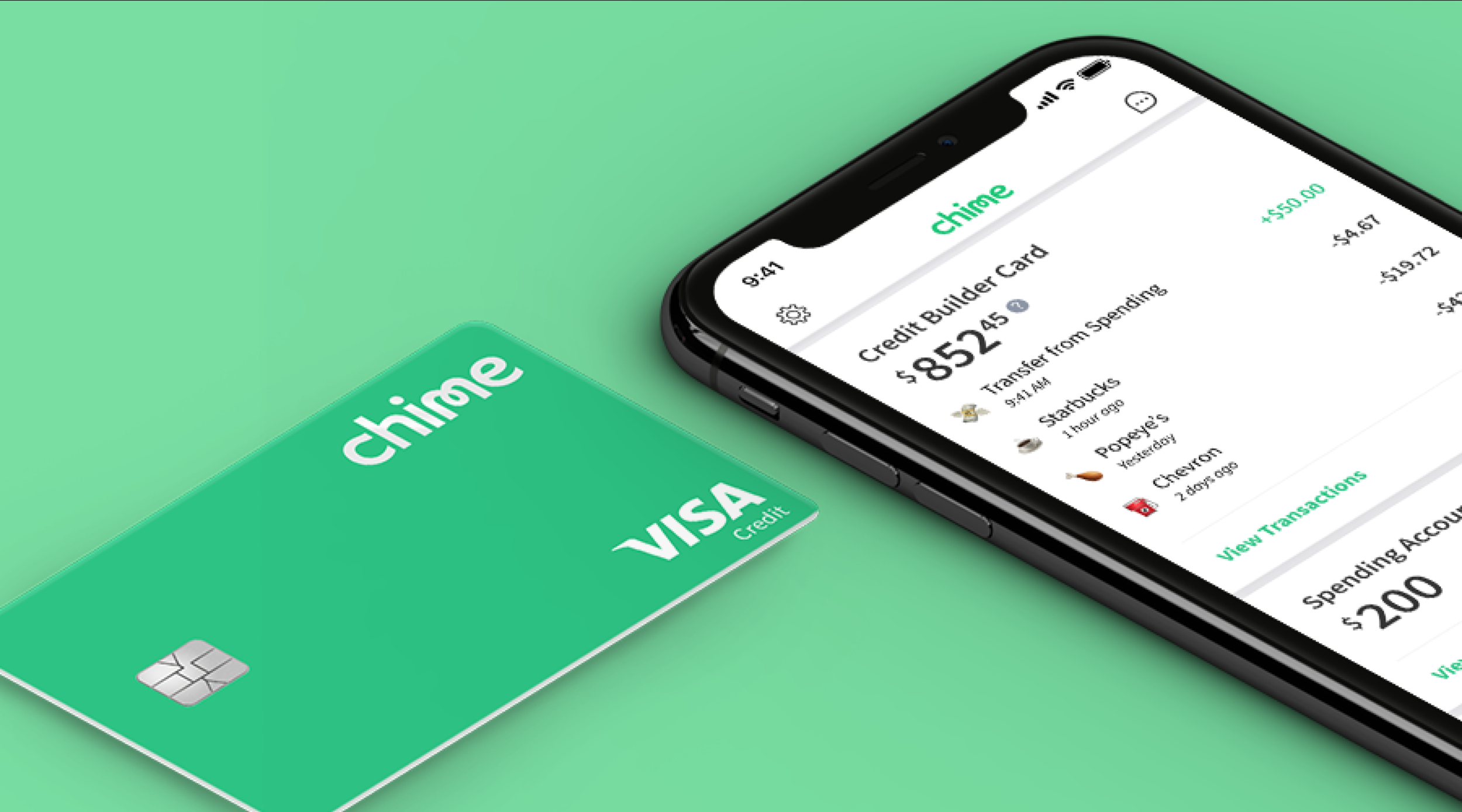
The Role of Credit Cards in the Digital Economy: Adaptations and Challenges in Times of Change

Understanding the Role of Credit Cards in the Digital Economy
In today’s fast-paced digital economy, credit cards have become a fundamental tool for consumers and businesses alike. They offer convenience, security, and the ability to manage cash flow effectively. Over the past two decades, the way people shop and conduct business has dramatically shifted towards online platforms. As a result, credit cards have played an essential role in this transformation, allowing for quick and efficient transactions.
One of the most significant benefits of using credit cards in the digital landscape is their facilitation of increased online transactions. With the rise of e-commerce platforms like Amazon, eBay, and various niche online retailers, consumers can make purchases from anywhere at any time. For example, a user can simply use their credit card to buy a new laptop or groceries while on their lunch break, without the need to physically visit a store. This ease of access promotes impulsive buying and helps consumers receive products quickly, contributing to the growth of the economy.
However, this convenience comes with its own set of challenges, particularly regarding data security concerns. As online transactions continue to grow, so do the risks associated with fraud and identity theft. In 2022, the Federal Trade Commission reported that consumers lost over $5.8 billion to scams, with many of these incidents involving credit card fraud. To combat this, financial institutions are investing heavily in advanced security measures such as two-factor authentication, encryption technologies, and real-time fraud monitoring, which aims to protect consumers and build confidence in online shopping.
Moreover, there has been a notable shift in consumer behavior as preferences change towards more flexible payment options. Many consumers are now looking for alternatives such as mobile wallets (like Apple Pay or Google Pay) and Buy Now, Pay Later (BNPL) options that allow them to manage their payments differently. This shift prompts credit card companies to innovate, offering rewards programs, cashback benefits, and additional features to attract and retain customers. For instance, a credit card that offers cashback on grocery purchases can help consumers save more while still enjoying the benefits of using credit.
These evolving trends present both opportunities and challenges for credit card issuers and users. On one hand, financial companies can leverage technology to improve customer service and provide more customized experiences. On the other hand, they must remain vigilant against threats that could compromise consumer trust. Understanding the intricacies of this financial tool is essential for anyone navigating the modern economy. As we delve deeper into these key themes, it becomes evident how credit cards adapt to changing demands while addressing the obstacles they face during these transformations.
DISCOVER MORE: Click here to dive deeper into ecological solutions
The Evolution of Credit Cards in Online Transactions
The transition to a more digital economy has profoundly impacted how credit cards are used, enhancing their role as essential financial tools for consumers. In this new landscape, credit cards have transitioned from physical plastic to a more digital and virtual presence. This evolution is evident in several key areas, which includes not only the technology behind credit cards but also how they are perceived and utilized by consumers.
At the heart of this transformation is the adoption of contactless payments. Many credit cards now come equipped with Near Field Communication (NFC) technology, allowing users to simply tap their card on a terminal to complete a transaction. This feature is particularly evident in the wake of the COVID-19 pandemic, when contactless options became vital in minimizing physical contact. Consumers can enjoy a seamless and quicker checkout experience, reinforcing the trend towards convenience in the digital economy.
Furthermore, the integration of credit card services with various online platforms has led to the emergence of direct bill payments and subscriptions. Today, consumers can link their credit cards to services like Netflix or Spotify and automatically pay their monthly fees without needing to remember due dates. This has made managing recurring payments easier, contributing to consumer loyalty as customers appreciate the hassle-free experience.
Another noteworthy change is the rise of international transactions. Previously, cross-border purchases could involve multiple fees and slow processing times. However, credit card networks have expanded their capabilities to facilitate faster and cheaper international transactions. With millions of Americans shopping from global online retailers, having a credit card that can handle various currencies at competitive exchange rates has become increasingly important.
- Rapid globalization: Enabled consumers to purchase from international vendors effortlessly.
- Fee transparency: Consumers can now better understand the costs associated with international purchases.
- Security measures: Enhanced protocols safeguard international transactions, giving users peace of mind.
Despite these advancements, the digital economy presents challenges that credit card users must navigate. As credit cards become more integrated into everyday online transactions, the potential for cybersecurity threats increases. Fraudsters are constantly developing new tactics to exploit vulnerabilities, leading to a growing need for robust security measures. Consumers must stay vigilant and informed about best practices to protect their financial data, such as regularly monitoring statements and utilizing credit card alerts for suspicious activity.
Moreover, the proliferation of new digital payment options has forced traditional credit card companies to adapt. As mobile wallets and BNPL schemes gain traction, credit card issuers must develop innovative strategies to keep their offerings competitive. Customization features like personalized rewards and user-friendly apps are becoming crucial as consumers seek the best value in their financial transactions.
In summary, the role of credit cards in the digital economy is evolving rapidly. With both exciting advancements and notable challenges, understanding these dynamics is essential for consumers and businesses alike. As we explore the various aspects of credit card usage in this new landscape, it becomes clear that adaptations will play a significant role in shaping the future of banking and consumer behavior.
LEARN MORE: Click here to discover how brands are adapting
The Intersection of Credit Cards and Emerging Financial Technologies
As the digital economy continues to evolve, the intersection of credit cards with emerging financial technologies is transforming the way consumers manage their finances. This relationship highlights the innovations that are making transactions more efficient while also presenting new challenges that must be addressed.
One significant development is the rise of blockchain technology, which offers potential benefits for credit card transactions. Blockchain allows for secure, decentralized record-keeping of transactions, which can reduce the risk of fraud and enhance transparency. For instance, credit card companies are exploring the incorporation of blockchain for verifying transactions and protecting consumer data. This integration could lead to faster processing times and lower fees for users, underlining the importance of staying ahead in a competitive marketplace.
Another crucial aspect of this landscape is the growing popularity of mobile payment applications and digital wallets. Services such as Apple Pay, Google Pay, and Samsung Pay allow consumers to store their credit card information electronically and make payments using their smartphones. This seamless integration not only adds convenience but also caters to a younger demographic that prefers mobile-first spending habits. For many, a mobile payment option has become the default choice, emphasizing the need for credit card companies to adopt similar technologies to maintain relevance.
Furthermore, the emergence of artificial intelligence (AI) in credit card services is revolutionizing customer service and fraud detection. AI-driven algorithms can analyze spending patterns and detect anomalies that may suggest fraudulent activity, alerting consumers and card issuers in real-time. For example, if a user typically makes purchases at grocery stores but suddenly has a charge from an overseas vendor, AI can flag this transaction for review. This proactive approach not only enhances security but also builds consumer trust in credit card systems as they navigate the complexities of online shopping.
- Personalized financial advice: AI can also assist consumers in managing credit, providing tailored advice based on individual spending habits to improve financial health.
- Dynamic credit limits: Machine learning can analyze a user’s behavior to automatically adjust credit limits and manage risks effectively, ensuring that consumers always have access to the right amount of credit.
Despite these advancements, the integration of credit cards with new technologies is not without its challenges. Data privacy concerns are at the forefront, with consumers wary of sharing personal information across multiple platforms. Credit card companies must invest in robust encryption practices and transparent data policies to alleviate these worries and promote a secure user experience. Establishing trust with consumers in this digitalized environment is paramount for financial institutions aiming to thrive in the future.
Additionally, the landscape of payment regulation presents a complex environment for credit card issuers. As financial technology evolves, so too does the regulatory framework that governs it. Compliance with varying laws and regulations can be burdensome, necessitating that credit card companies stay informed and adaptable. For instance, the introduction of the Payment Services Directive in Europe has influenced global practices, leading U.S. companies to reassess their business models and user agreements to align with international standards.
The relationship between credit cards and the evolving financial technologies shaping the digital economy creates a dynamic landscape filled with both possibilities and challenges. As innovations continue to unfold, credit card companies must prioritize agility and consumer needs to remain relevant in an increasingly digital and interconnected world.
DISCOVER MORE: Click here to uncover key strategies
Conclusion
In conclusion, the role of credit cards in the digital economy is pivotal as they adapt to meet the needs of modern consumers while navigating a landscape filled with significant challenges. The integration of advanced technologies such as blockchain, mobile payment applications, and artificial intelligence is revolutionizing the credit card experience, enhancing security, efficiency, and user convenience. These innovations allow consumers to engage in transactions with increased confidence, knowing their payments are protected and managed intelligently.
However, the journey is not without its hurdles. As credit card companies embrace these technologies, they must also address data privacy concerns and ensure compliance with regulatory frameworks that are constantly evolving. Building consumer trust in a time when personal information is paramount is critical for long-term success. Moreover, understanding emerging trends in consumer behavior, particularly among younger demographics favoring mobile and digital payment solutions, will be essential for credit card issuers to remain relevant.
Ultimately, as the digital economy continues to change, credit card companies must remain agile, proactive, and responsive to the dynamics of both technology and consumer expectations. By focusing on innovation while prioritizing security and compliance, they can navigate the complexities of this new era and continue to play a vital role in facilitating commerce in a digital world. Embracing these challenges and opportunities not only ensures sustained growth but also enhances the overall financial experience of consumers in the United States and beyond.

Linda Carter
Linda Carter is a writer and fashion content specialist who focuses on Shein, online shopping trends, and style discoveries. With extensive experience helping readers explore affordable fashion, understand shopping tips, and make smarter purchase decisions, Linda shares her insights on our platform. Her goal is to empower readers with practical advice and useful strategies to navigate Shein’s offers, discover new trends, and enjoy a more confident and informed shopping experience.