The intersection of fashion and automotive performance: how vehicle designs influence clothing aesthetics
The Intricate Link Between Fashion and Automotive Design
When you think about fashion, the world of automobiles might not be the first thing that comes to mind. However, the relationship between vehicle design and clothing aesthetics is more intertwined than we often realize. From sleek lines to vibrant colors, cars have a profound influence on the way we express ourselves through fashion. This interconnectedness not only defines trends but also enhances personal style, making the crossover fascinating and worth exploring.
- Design Inspiration: Many fashion designers draw inspiration from the curves and contours of modern vehicles. For instance, the flowing lines of a sports car can be mirrored in the draping of a dress, creating a sense of movement and elegance. Notable designers like Gucci and Prabal Gurung have famously integrated automotive aesthetics into their collections, leading to garments that celebrate both couture and classic car culture.
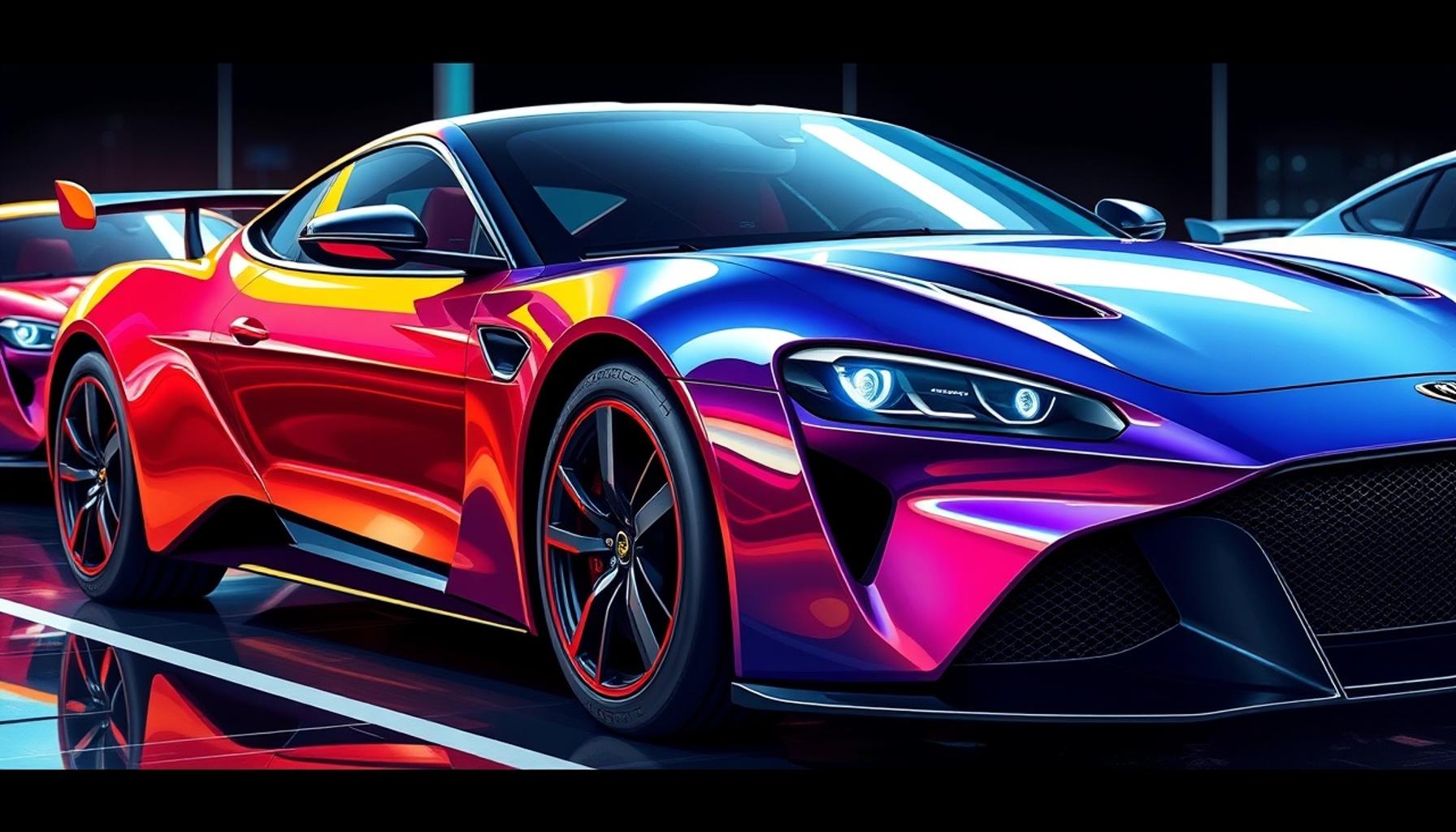
- Color Trends: The shades and finishes seen in automotive design can significantly set trends in clothing colors and materials. Vibrant colors like electric blue and fiery red are often first seen in car paint jobs and can dominate fashion runways soon after. In 2023, Pantone highlighted a color reminiscent of cherry red from a popular sports car, suggesting that automotive choices can dictate the seasonal hues in fashion.
- Functional Aesthetics: Just as cars are designed for performance and aerodynamics, clothing increasingly incorporates similar principles for comfort and style. Athleisure wear, for example, is designed with movement in mind, showcasing a blend of form and function that mirrors the innovations in car engineering, where efficiency and aerodynamics are key.
Consider the following examples that illustrate this fascinating relationship:
- High-Performance Gear: Clothing lines developed for motorsports embody the spirit of speed and agility. Brands like Adidas have collaborated with racing teams to create apparel that not only looks stylish but also boosts performance, featuring breathable materials designed for high-energy activities.
- Streetwear Influence: Fashion brands frequently collaborate with automotive companies to create unique and stylish apparel. The partnership between luxury brands like Off-White and car manufacturers has resulted in limited-release items that sell out quickly, showcasing how the automotive world can elevate fashion credibility and desirability.
- Luxury Appeal: High-end car manufacturers like Ferrari and Lamborghini often create exclusive fashion lines that mirror their vehicle aesthetics. These collections are not only about luxury but also about celebrating a lifestyle that encompasses speed, precision, and style, which resonates profoundly with their clientele.
This remarkable crossover extends beyond mere aesthetics; it shapes how we perceive performance both on the road and in our wardrobe. By understanding this connection, we can enhance our appreciation for both worlds. Recognizing the influence of automobile design on fashion encourages us to explore new styles and realize that the sleekness of a car can inspire the elegance of clothing, showing us that beauty can truly be found in various forms of design.
DIVE DEEPER: Click here to discover more
Crossover of Design Philosophy
The interplay between automotive design and fashion can be traced back to a shared philosophy: both fields prioritize aesthetics, innovation, and functionality. This nexus goes beyond mere visual impact; it reflects a comprehensive approach to design that emphasizes not only beauty but also purpose. For example, consider how the aerodynamic shapes of modern vehicles are not solely designed for efficiency, but are also intended to captivate and inspire. This principle resonates deeply within the fashion industry, where designers strive to create garments that are equally appealing while enabling freedom of movement.
One of the most striking examples of this crossover can be seen in the evolution of sportswear. Originally rooted in functionality for athletes, the aesthetics of sportswear have transitioned to the forefront of fashion. The influence of high-performance sports cars—often characterized by their sleek, streamlined forms—can be vividly observed in contemporary athletic apparel. Brands such as Nike and Under Armour have adopted features like late-night reflective materials and moisture-wicking fabrics that echo the technical innovations found in racing vehicles. This relationship is not just superficial; it redefines clothing as a blend of high performance and cutting-edge style.
Moreover, automotive-themed collaborations can create unique opportunities within the fashion industry. The partnership between a popular car brand and a fashion label can lead to limited-edition collections that cater to both enthusiasts and style savants. These collaborations often highlight the aesthetics and ethos of both worlds, allowing consumers to wear pieces that reflect their passion for both fashion and automobiles. For example:
- Fashion Collaborations: When brands like Jeremy Scott partner with automotive giants like Mercedes-Benz, the result is often a bold aesthetic that appeals to car lovers and fashion aficionados alike. The playful incorporation of car-inspired graphics and motifs captures the essence of speed and innovation in clothing.
- Motorcycle Culture: The growing popularity of motorcycle culture in fashion demonstrates how vehicle designs influence lifestyle trends. Leather jackets designed with the ruggedness of a bikers’ life often incorporate similar details seen in the striking finishes of motorcycle models, merging toughness with style.
- Urban Design: The influence extends to everyday streetwear. Designers utilize car-inspired color palettes and edgy silhouettes that mirror the urban landscapes dominated by automobile aesthetics. Street fashion often celebrates the spirit of the city, where cars and clothing become symbols of personal expression.
Ultimately, the influence of automotive design on fashion is not merely cyclical—it is a dynamic relationship that enriches both industries. By embracing elements from vehicle aesthetics, fashion designers can craft collections that resonate on multiple levels, engaging consumers who appreciate both innovation and beauty. As we navigate this captivating landscape, it becomes increasingly clear that the sleek contours of a car can bring an infusion of life to our wardrobes, inspiring a new generation of style.
DIVE DEEPER: Click here to learn more
Performance-driven Aesthetics
Another compelling aspect of the relationship between fashion and automotive design lies in the performance-driven aesthetics that both industries embrace. In the realm of high-performance vehicles, every curve and contour serves a functional purpose, from enhancing speed and agility to improving safety. This dedication to performance is mirrored in the latest trends in fashion, where designers prioritize not just the look, but the feel and capability of their creations.
Take, for instance, the rise of technical fabrics in outerwear. Inspired by the materials used in automotive engineering, such as lightweight composites and durable coatings, fashion designers are harnessing similar technology to produce garments that withstand diverse conditions while maintaining a sleek, stylish appearance. Brands like Canada Goose and Moncler have popularized the use of technical down and water-resistant finishes, showcasing how the pursuit of performance manifests in the fashion world. Just as a car’s exterior is engineered for optimal aerodynamics, so too are these garments crafted for warmth and mobility, appealing to urban dwellers and outdoor enthusiasts alike.
The influence of automotive branding and performance is not confined to the realm of high fashion. Streetwear, a thriving sector of the fashion industry, increasingly adopts elements influenced by vehicle designs. Graphics and logos reminiscent of popular car brands often adorn t-shirts and hoodies, connecting fans of both cars and fashion. The car enthusiast culture cultivates a unique sub-genre of style that uses vehicle-inspired motifs as symbols of identity, allowing wearers to showcase their passions through their clothing choices. Brands like Off-White have even launched collections that directly reference automotive themes, further illustrating how the lines blur between tire tracks and fashion runways.
Another significant trend is the effect of eco-friendly automotive innovations on sustainable fashion practices. As car manufacturers begin to prioritize sustainability—developing electric vehicles and using recycled materials—fashion designers are increasingly adopting similar approaches. The popularization of eco-conscious materials such as organic cotton and recycled polyester is a testament to this shift. Just like the automotive industry strives for a reduced environmental footprint, fashion brands are also embracing a more sustainability-driven ethos. This alignment not only resonates with a growing consumer base interested in ethical choices but also enhances the overall aesthetics of the clothing, making sustainability a fashionable choice.
Furthermore, the emotional connection fostered through both automotive experiences and fashion adds another layer to this interplay. The thrill of speed or the smoothness of a drive often translates to how clothing makes one feel—be it confidence, empowerment, or a sense of rebellion. Designers tap into this emotional resonance by creating pieces that evoke the excitement of high-performance vehicles. The racer-inspired jackets, with their bold color options and sleek designs, are a perfect example of this dual inspiration. They serve not just as clothing but as wearable expressions of the audacious spirit associated with high-speed automotive racing.
In summary, the performance-driven aesthetics that both the fashion and automotive industries draw upon create a rich tapestry of innovation and style. By understanding and implementing principles from automotive design, fashion can continue to evolve, offering consumers an exciting intersection of performance, beauty, and functionality in their wardrobes.
DISCOVER MORE: Click here to learn how to invest in sustainable fashion
Conclusion
In exploring the intersection of fashion and automotive performance, it becomes clear that vehicle designs significantly influence clothing aesthetics. This relationship is multifaceted, reflecting a shared commitment to performance, functionality, and identity. As we have seen, the use of technical fabrics and designs inspired by high-performance vehicles permeates fashion, leading to innovative outerwear that not only looks outstanding but also functions brilliantly under various conditions. The incorporation of automotive branding into streetwear further exemplifies how car culture feeds into everyday fashion choices, reinforcing a connection between enthusiasm for vehicles and personal style.
Moreover, the push towards sustainability in both industries signals a transformative shift in consumer values. As car manufacturers innovate toward eco-friendly solutions, fashion designers are similarly motivated to embrace sustainable materials, merging aesthetic appeal with ethical considerations. This alignment not only enhances brand loyalty among conscientious consumers but also showcases that style need not come at the expense of environmental responsibility.
Finally, the emotional resonance that both fashion and automotive experiences evoke adds depth to this interplay. Clothing designed to echo the thrill of speed and the audacity of racing imbues wearers with confidence and a sense of identity, turning garments into a canvas for expression. As we move forward, the ongoing dialogue between fashion and automotive performance will undoubtedly evolve, allowing for further exploration of how design principles can inspire creativity and innovation across both fields. Thus, the journey exploring this unique intersection promises to fuel future trends, continually connecting the spheres of style and speed.

Linda Carter
Linda Carter is a writer and fashion content specialist who focuses on Shein, online shopping trends, and style discoveries. With extensive experience helping readers explore affordable fashion, understand shopping tips, and make smarter purchase decisions, Linda shares her insights on our platform. Her goal is to empower readers with practical advice and useful strategies to navigate Shein’s offers, discover new trends, and enjoy a more confident and informed shopping experience.