
Co-Branding Strategies between Clothing Brands and Automobile Manufacturers
The Power of Industry Collaborations
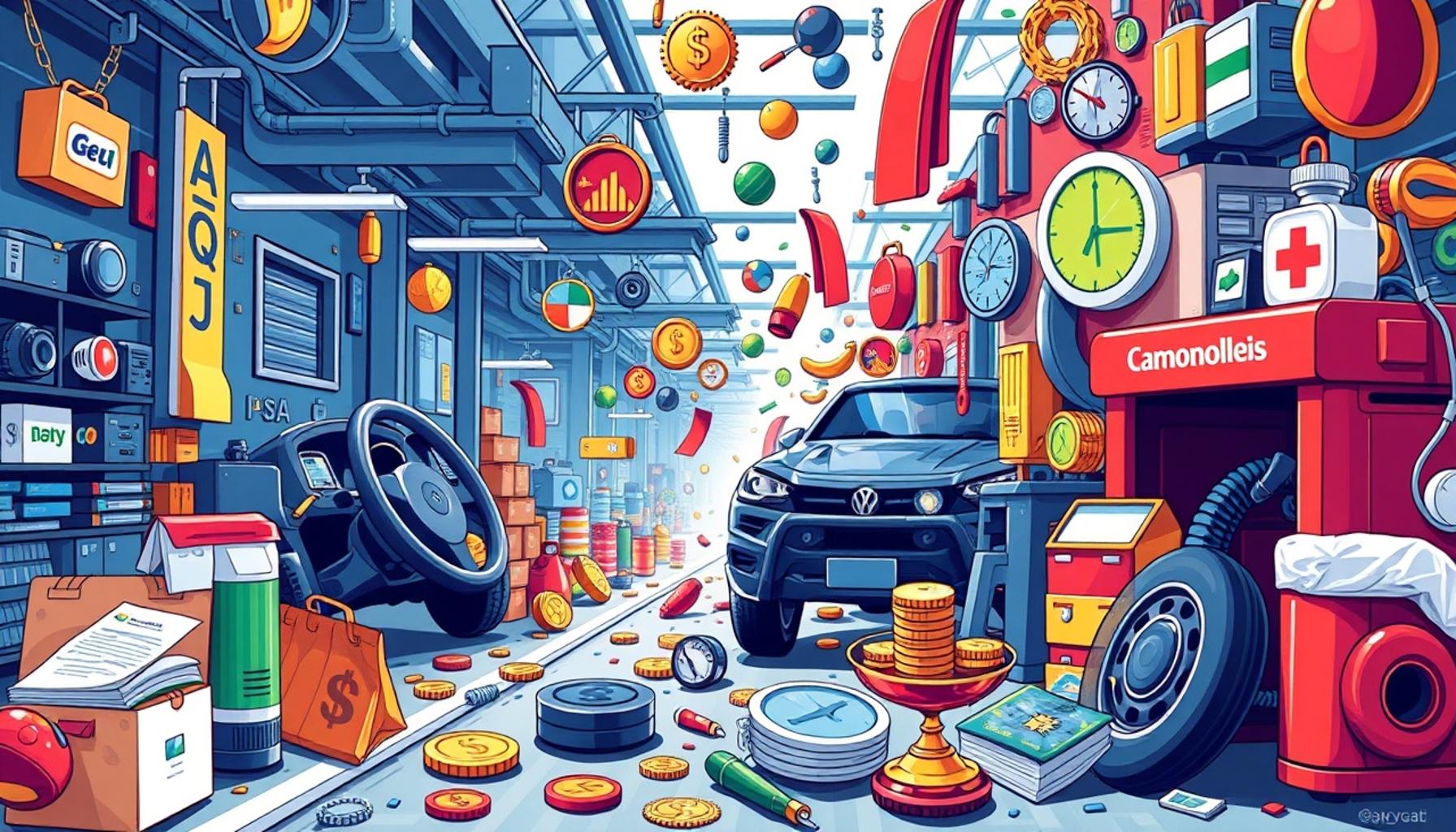
In the current business landscape, where competition is fierce and consumers are increasingly discerning, collaborations between industries have emerged as a vital strategy for success. Particularly notable is the partnership between clothing brands and automobile manufacturers, which combines their distinct strengths to create products that engage and attract a wider range of consumers. These alliances are not just marketing gimmicks; they are carefully crafted strategies designed to drive growth and innovation.
The concept of co-branding allows two entities to pool their resources and expertise, producing products that resonate with their respective clientele. This symbiotic relationship offers numerous benefits. For example, expanded market reach is achieved when one brand taps into the loyal customer base of another. An automobile enthusiast may be introduced to a clothing brand through a stylish car accessory or apparel designed specifically for their model, effectively broadening both brands’ audiences.
In addition, enhanced brand equity is another significant advantage. When a premium automotive brand collaborates with a luxury streetwear label, it not only elevates the perception of the products involved but also reinforces the prestige of both brands in the eyes of consumers. This elevated status can lead to increased customer loyalty and higher perceived value, which are crucial in today’s market.
Furthermore, the introduction of co-branded products can lead to a marked increase in sales opportunities. Take the clothing brand Puma’s collaboration with BMW, which resulted in a line of footwear that embodies the sleek, dynamic essence of BMW vehicles. Such partnerships create a buzz that traditional marketing campaigns may not achieve, thus generating interest and accelerating sales.
Several well-known collaborations illustrate the success of this strategy. For instance, the partnership between Nike and McLaren harnesses the engineering prowess associated with high-performance vehicles to inspire a line of athletic gear. Similarly, Ralph Lauren’s collaboration with the Mini Cooper showcases a unique intersection of timeless fashion and compact automotive design, appealing to diverse demographics that appreciate both style and functionality.
Looking ahead, as the market continues to evolve, an in-depth understanding of co-branding dynamics will be essential for both clothing and automobile brands. By staying attuned to consumer preferences and leveraging partnerships strategically, these brands can not only bolster their visibility in a crowded market but also pave the way for sustainable growth that resonates with a broad audience base.
DISCOVER MORE: Click here to dive deeper
Key Drivers Behind Successful Co-Branding Initiatives
Co-branding strategies between clothing brands and automobile manufacturers hinge on several key drivers that enhance the effectiveness of these partnerships. Understanding these drivers allows brands to navigate the complexities associated with such collaborations while maximizing their potential for market impact and profitability.
One of the primary drivers of success in co-branding is the alignment of brand values. Both partners must share a similar ethos or philosophy, which resonates with their target audiences. For example, a luxury automobile manufacturer such as Mercedes-Benz collaborating with a high-end clothing designer like Tom Ford creates a unified luxury experience that appeals to discerning consumers who prioritize exclusivity and sophistication. This alignment not only strengthens the brand narrative but also fosters trust and credibility among consumers.
Another crucial factor is joint innovation. By combining their expertise, clothing brands and automobile manufacturers can develop innovative products that would be less feasible for either brand to produce alone. For instance, the partnership between Under Armour and the automobile manufacturer, Chevrolet, led to the creation of performance gear specifically designed for drivers—emphasizing comfort and moisture-wicking properties suitable for extended periods in the vehicle. Such innovative offerings meet consumer demands while enhancing the image of both brands as forward-thinking market leaders.
Target demographic integration is also a pivotal consideration when executing co-branding strategies. Successful collaborations should target overlapping demographics to maximize consumer engagement. For instance, the partnership between the streetwear brand A Bathing Ape (BAPE) and the automotive brand BMW effectively taps into the urban youth and millennial markets. By aligning with the cultural significance of both the apparel and automotive industries, these brands manage to captivate a generation that values individuality and unique expression.
To further illustrate the tactical approach to co-branding, brands often employ specific strategies that can drive engagement and sales. These strategies may include:
- Limited Edition Releases: Offering exclusive products for a limited time can create urgency and excitement among consumers, as seen in the collaboration between Nike and Ferrari, which generated a buzz around their limited footwear line.
- Cross-Promotion Marketing: Utilizing various marketing channels to promote co-branded products ensures that both brands receive visibility. For instance, social media campaigns that leverage the distinct followings of each brand can maximize reach and engagement.
- Event Collaborations: Joint participation in events, such as auto shows or fashion weeks, helps in creating a dynamic atmosphere where consumers can experience the convergence of both brands firsthand.
Ultimately, successful co-branding between clothing brands and automobile manufacturers requires a comprehensive understanding of the market dynamics, consumer behavior, and the strategic alignment of brand objectives. By leveraging these key drivers, both parties can enhance their market presence while delivering innovative products that resonate with consumers across various demographics.
DISCOVER MORE: Click here to learn about investing in classic and exclusive car brands
Challenges and Considerations in Co-Branding Initiatives
While co-branding between clothing brands and automobile manufacturers offers numerous benefits, it also presents distinct challenges that require careful consideration. For brands to successfully navigate these hurdles, they must develop comprehensive strategies that address potential pitfalls while remaining aligned with their long-term objectives.
One of the most significant challenges in co-branding initiatives is the management of brand identity. Each brand comes with a unique identity and perception in the market. When brands collaborate, they risk diluting their distinctiveness if their identities do not mesh effectively. For example, a premium fashion label may lose its perceived exclusivity if it partners with a high-volume automobile manufacturer, which is perceived as mass-market. To mitigate this risk, brands must clearly communicate their shared values and ensure that branding elements—such as logo placement and packaging—are thoughtfully designed to maintain individual identities.
Another crucial consideration is consumer perception and acceptance. The target audience may have preconceived notions about the respective brands, which could complicate the partnership’s acceptance. Fashion enthusiasts might view an automobile brand’s foray into clothing as inauthentic or opportunistic, while car enthusiasts may believe that a fashion brand lacks credibility in the automotive space. Effective market research is paramount in addressing these perceptions and gathering insights on consumer attitudes prior to launching a co-branded product line. Conducting focus groups or surveys can assist in identifying potential consumer concerns and tailoring marketing strategies to address them.
Furthermore, the financial implications associated with co-branding should be carefully evaluated. The collaboration must yield a substantial return on investment (ROI) for both parties involved. Brands need to assess various financial dimensions, including production costs, marketing expenditures, and potential sales performance. The partnership between Levi’s and the Jeep brand showcases how effective pricing strategies and cost-sharing agreements can produce mutual benefits, yet brands must be cautious to calculate these aspects diligently to avoid financial missteps.
Additionally, a clear legal framework is vital to ensuring the partnership adheres to both brands’ guidelines and protects their intellectual property. Contractual agreements should outline responsibilities, shared costs, and revenue-sharing models to mitigate disputes. For instance, the collaboration between the luxury brand Balmain and the automotive brand Bugatti included stringent stipulations regarding design elements and brand representation in promotional materials, safeguarding the integrity of both parties in the market.
While embarking on a co-branding venture, brands should also pay close attention to consumer engagement strategies. Engaging the audience and creating a sense of community around the co-branded products can significantly enhance the effectiveness of marketing campaigns. The successful launch of the Puma x BMW Motorsport collection illustrates how creating interactive experiences—such as car meets or running events—can foster a deeper connection between brands and consumers, encouraging loyalty and encouraging word-of-mouth marketing.
Ultimately, co-branding strategies between clothing brands and automobile manufacturers must be carefully crafted, taking into account the various challenges and considerations that can impact their effectiveness. By proactively addressing these aspects, brands can establish a robust framework that supports innovation, expands their market reach, and elevates consumer engagement.
DISCOVER MORE: Click here to learn about the evolution of automotive brand promotion
Conclusion
In summary, co-branding strategies between clothing brands and automobile manufacturers hold great potential to drive innovation and expand market presence. However, the success of these partnerships hinges on a meticulous approach to several critical factors. Key considerations, such as brand identity management, consumer perception, and financial viability, must be the focus of any collaborative effort. Ensuring that both brands maintain their unique identities while successfully aligning their messaging is paramount to avoid compromising their individual market positions.
Moreover, effective market research is indispensable in understanding consumer sentiments and addressing any skepticism surrounding the partnership. By engaging target audiences and creating strong narratives that resonate with them, brands can foster acceptance and loyalty towards co-branded offerings. Financial analysis, including thorough evaluations of production costs and expected returns, will help both parties gauge their commitment to collaboration and mitigate risks. Finally, establishing a solid legal framework will protect each brand’s interests while facilitating a smooth operational process.
Looking ahead, as consumer preferences continue to evolve, especially in areas such as sustainability and experiential marketing, co-branding initiatives must be agile and responsive to these trends. By fostering a culture of collaboration and mutual benefit, clothing brands and automobile manufacturers can create innovative products that not only captivate consumers but also redefine the landscape of both industries. Ultimately, well-executed co-branding strategies can pave the way for new opportunities and enhanced consumer engagement, solidifying a lasting impact on the marketplace.